
















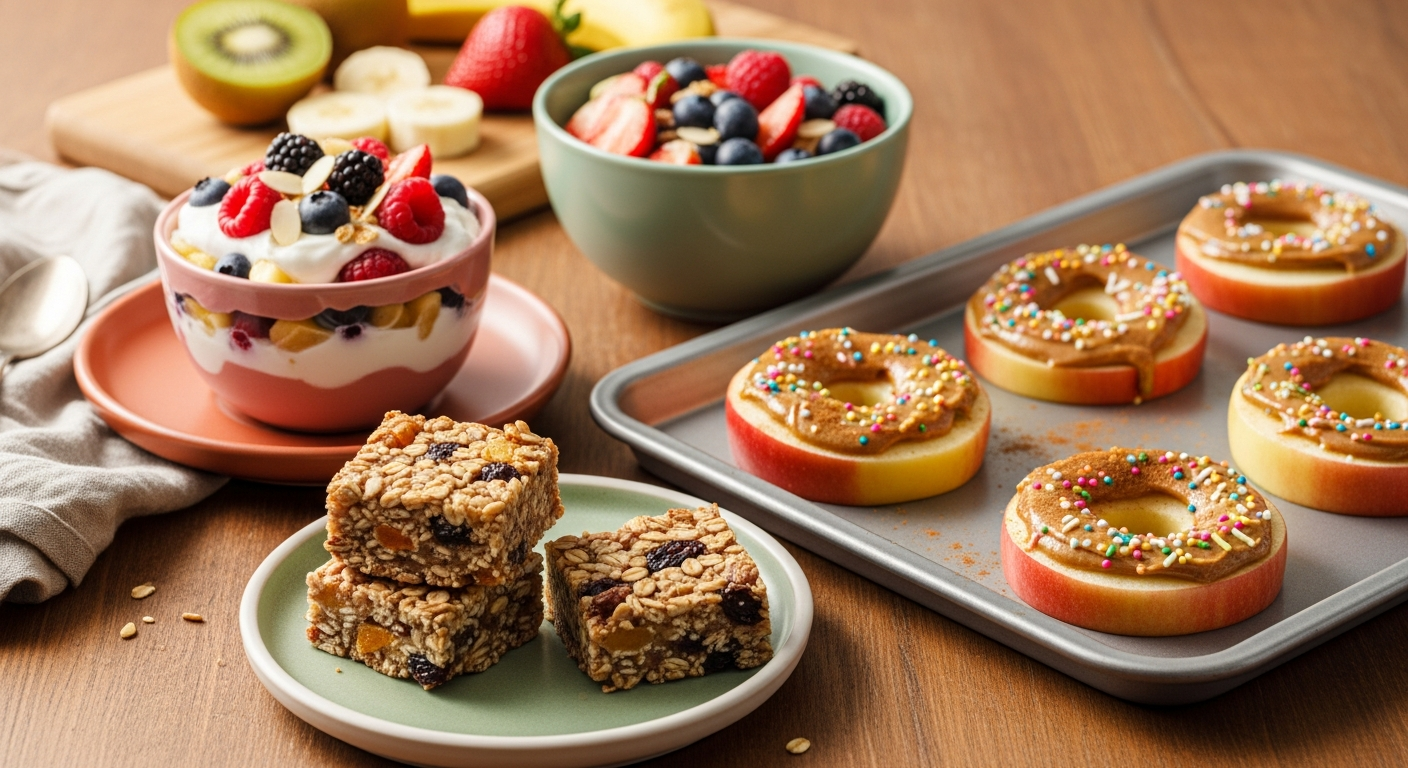
Updated October 2023. In the modern kitchen of 2026, the boundary between “health food” and “dessert” has beautifully blurred, making it easier than ever to find healthy dessert recipes for kids that actually taste good. For busy mothers and food enthusiasts balancing a modern home and lifestyle, the challenge has always been the same: how do we satisfy a child’s natural craving for sweets without succumbing to the refined sugars and processed additives found in store-bought treats? Today’s parents are more informed than ever, prioritizing brain-boosting fats, fiber-rich whole grains, and natural sweeteners that provide sustained energy rather than a fleeting sugar high.
Crafting nutritious treats is no longer about deprivation; it is about culinary creativity. By utilizing vibrant fruits, hidden vegetables, and protein-packed bases, we can transform the final course of the day into a nutritional powerhouse. This guide explores the most innovative and delicious ways to serve up smiles, ensuring your little ones get the nutrients they need while enjoying the flavors they love. Beyond just nutrition, these recipes offer parents peace of mind and set a positive example of balanced eating for the whole family. Welcome to the era of guilt-free indulgence.
The Philosophy of Modern Nutrient-Dense Sweets
When we approach crafting nutritious treats in 2026, we are moving away from the “diet culture” mentality of the past. Instead of focusing on what we are removing—like sugar or gluten—we focus on what we are adding. The goal is “functional indulgence.” Every ingredient should serve a purpose beyond just flavor, aligning perfectly with our core philosophy of balanced modern living.
Embracing Functional Ingredients
For example, using almond flour instead of refined white flour adds healthy fats and vitamin E. Swapping corn syrup for Medjool dates provides a caramel-like sweetness alongside a hefty dose of potassium and fiber. According to the Harvard T.H. Chan School of Public Health, fiber is perhaps the most critical component of a balanced diet; it slows the absorption of sugar into the bloodstream, preventing the dreaded “sugar crash” and irritability that often follows traditional sweets.
The Role of Fermented Foods
Furthermore, home cooks are now embracing fermented ingredients in desserts. Using Greek yogurt or kefir as a base for popsicles adds probiotics that support gut health. In 2026, the most successful wholesome sweets are those that satisfy the palate while supporting the body’s growth and development. By viewing dessert as an opportunity for additional nutrition, you change the family dynamic around food from one of restriction to one of abundance.
Types of Fruit-Forward Favorites and How to Make Them
Fruit is the original dessert, but sometimes it needs a little “chef’s kiss” to appeal to a picky toddler or a skeptical teenager. The key to fruit-based wholesome treats is mastering texture and temperature.
The “Nice Cream” Revolution
One of the most popular treats of 2026 remains “Nice Cream.” By blending frozen overripe bananas, you create a texture nearly identical to soft-serve dairy ice cream. To elevate this for food enthusiasts, try a Roasted Strawberry and Balsamic Nice Cream. Roasting the strawberries intensifies their natural sugars, while a tiny drop of high-quality balsamic vinegar brings out a complex sweetness that children surprisingly love.
Baked Apples with Quinoa Crunch
Instead of a high-sugar apple crumble, try core-filling apples with a mixture of cooked quinoa, cinnamon, and a touch of maple syrup. Quinoa adds a surprising “pop” and a complete protein profile. Bake until the apple is soft and the skin is slightly caramelized. If you need tips on getting the perfect bake, check out our comprehensive baking guide for home cooks. This dish smells like a warm hug and provides the warmth and comfort of a traditional pie without the trans fats found in commercial crusts.
Watermelon Pizza
For a refreshing summer treat, slice a large round of watermelon and top it with a “sauce” of whipped coconut cream. Sprinkle with blueberries, mint leaves, and toasted coconut flakes. It’s visually stunning, hydrating, and packed with antioxidants.
[INLINE IMAGE 2: A slice of watermelon pizza topped with whipped coconut cream, blueberries, and mint leaves.]
Why Hide Vegetables in Baked Goods?
The “sneaky chef” approach has evolved. In 2026, we aren’t just “hiding” vegetables to trick our little ones; we are using them to improve the moisture and crumb of our baked goods. Home cooks have discovered that certain vegetables provide a richness that butter and oil can’t match.
Sweet Potato Chocolate Fudge Brownies
Sweet potatoes are the secret weapon for the ultimate fudgy brownie. When steamed and mashed, they provide a velvety base that pairs perfectly with dark cocoa powder. These brownies are naturally sweet, meaning you can cut the added sugar by 75%. Plus, the National Institutes of Health notes that the beta-carotene in sweet potatoes is excellent for eye health and immune function.
Zucchini Lime Mini-Muffins
Zucchini is almost flavorless when baked but adds incredible moisture. In 2026, the trend has shifted toward bright, citrusy flavors. A zucchini lime muffin, sweetened with honey and topped with a tiny zest of lime, offers a sophisticated flavor profile that feels like a “grown-up” treat but is perfectly sized for little hands.
Beetroot Red Velvet Cupcakes
Forget artificial food coloring. Pureed roasted beets provide that iconic deep red hue while adding earthy depth and nitrates that support healthy blood flow. Pair these with a light frosting made from whipped Neufchâtel cheese and a drizzle of honey for a lower-fat, higher-protein alternative to traditional cream cheese frosting.
Categories of Protein-Packed Treats for Active Lifestyles
For children who are always on the go—from soccer practice to music lessons—dessert can double as a recovery snack. Protein-rich snacks help repair muscles and keep them feeling full until breakfast, making them a staple for the modern parent.
Greek Yogurt Bark
This is a staple for the 2026 home cook. Spread plain, full-fat Greek yogurt onto a parchment-lined baking sheet. Swirl in some almond butter and scatter hemp seeds and raspberries on top. Freeze until solid, then break into shards. It’s high in protein and calcium, and it mimics the experience of eating a chocolate bar.
No-Bake Chickpea Cookie Dough
It sounds unconventional, but blended chickpeas (garbanzo beans) create a base that tastes remarkably like raw cookie dough when mixed with vanilla extract, nut butter, and mini dark chocolate chips. Because it’s bean-based, it’s safe to eat “raw” and is loaded with plant-based protein and iron. This is a fantastic addition to your vegan meal prep strategies for the week.
Chia Seed Chocolate Pudding
Chia seeds are a superfood powerhouse, offering Omega-3 fatty acids which are vital for brain development. When soaked in chocolate almond milk overnight, they expand into a thick, tapioca-like pudding. Top with a few crushed walnuts for extra crunch and brain-boosting power. For more ideas on incorporating these nutrients, explore our guide on healthy fats for kids.
Creating Allergy-Friendly and Inclusive Desserts
In 2026, inclusivity in the kitchen is paramount. Many modern recipes now cater to common allergens like gluten, dairy, and nuts without sacrificing an ounce of flavor, ensuring every child at the table feels included.
Avocado Cacao Mousse
This is the gold standard for dairy-free indulgence. The healthy fats in avocado provide a creamy mouthfeel that rivals heavy cream. When blended with high-quality cacao powder and a bit of agave or monk fruit sweetener, the avocado flavor disappears entirely, leaving behind a rich, dark chocolate mousse. It’s vegan, gluten-free, and incredibly nutrient-dense.
Coconut Flour Lemon Bars
For those avoiding gluten, coconut flour is a fantastic alternative that is high in fiber. A crust made from coconut flour and coconut oil, topped with a tart lemon curd sweetened with stevia or honey, provides a refreshing and allergy-friendly treat that doesn’t feel like a compromise.
Sunbutter Energy Bites
Since many schools are now nut-free zones, sunflower seed butter (Sunbutter) has become a 2026 pantry staple. Mix it with gluten-free oats, shredded coconut, and a handful of raisins to create easy, portable energy balls that are safe for everyone at the lunch table.
How Can We Engage Children in the Baking Process?
The best way to ensure children actually eat nutritious treats is to involve them in the creation process. Cooking is a form of sensory play that helps children build a positive relationship with whole foods. In 2026, we see a move toward “Interactive Food Stations.”
The DIY Popsicle Lab
Give your little ones a variety of colorful ingredients: pureed mango, yogurt, whole blueberries, and spinach juice. Let them layer these into silicone molds. Seeing the “stripes” they created makes them much more likely to enjoy the final product, even if it contains a bit of “green stuff.” For more fun ideas, check out our dedicated post on kids’ cooking and baking activities.
Measuring and Math
Baking is a practical application of math. For older children, let them handle the measurements. Explain why we use applesauce instead of oil (it adds moisture and vitamins!). When children understand the why behind the ingredients, they become advocates for their own health.
The “Taste Test” Challenge
Encourage your family to be food critics. If you’re experimenting with a new recipe, ask them for feedback. “Is it sweet enough? Does it need more crunch?” This empowers them and makes them feel like partners in the kitchen rather than just passive consumers.
[INLINE IMAGE 6: A mother and child smiling while mixing ingredients in a bright, modern kitchen.]
What Are the Most Common Questions About Nutritious Sweets?
Navigating the world of wholesome baking can bring up a lot of questions for modern parents. Here are some of the most common inquiries we receive.
How can I sweeten desserts without using refined white sugar?
In 2026, we have many great options. Dates and bananas are excellent whole-food sweeteners. For liquid options, use raw honey or 100% pure maple syrup. For those looking for zero-calorie options, monk fruit and stevia are natural derivatives that don’t cause blood sugar spikes.
My child is a very picky eater. Where should I start?
Start with familiar textures. If they love ice cream, start with “Nice Cream.” If they love muffins, try the zucchini muffins but peel the zucchini first so there are no “green specks” visible. Gradually introduce more complex flavors as their palate adjusts.
Are these wholesome treats still high in calories?
While these recipes use nutrient-dense ingredients, they are still treats. Ingredients like nuts, avocados, and honey are calorie-dense. The benefit is that these calories come with fiber, protein, and vitamins, which satisfy hunger much faster than “empty” calories from processed sugar.
Can I freeze these desserts for later?
Absolutely! Most of these recipes, especially the energy balls, muffins, and yogurt barks, are freezer-friendly. Having a stash of wholesome snacks in the freezer prevents the temptation to reach for processed items during a busy week.
Is dark chocolate okay for children?
Yes, in moderation. Dark chocolate (70% cacao or higher) contains antioxidants and less sugar than milk chocolate. In 2026, many parents use mini dark chocolate chips to provide a “treat” feel while keeping the sugar content low.
Conclusion: Sweet Success in the Modern Kitchen
Mastering the art of creating nutritious sweets is one of the most rewarding skills a home cook can develop. It’s about more than just calorie counting; it’s about fostering a lifestyle where food is both fuel and joy. As we move through 2026, the emphasis on whole, unprocessed ingredients allows us to reclaim the kitchen as a place of health and wellness.
Whether you are whipping up a batch of sweet potato brownies or freezing a tray of yogurt bark, you are teaching the next generation that eating well doesn’t mean sacrificing the things they love. These recipes are designed to satisfy the adventurous palate of the food enthusiast while meeting the nutritional requirements of a growing body. So, grab your apron, invite the family into the kitchen, and start a new tradition of wholesome, delicious indulgence. Your family’s health—and their taste buds—will thank you.
Sources & References
- Harvard T.H. Chan School of Public Health: Fiber
- National Institutes of Health: Vitamin A and Beta-Carotene Fact Sheet for Consumers
- Academy of Nutrition and Dietetics: Sugar Substitutes
About the Author
Elena Rostova, Culinary Nutritionist & Lifestyle Editor — Elena is a certified nutritionist and mother of two, specializing in family-friendly meal planning and modern culinary arts. She writes extensively on balancing a busy lifestyle with wholesome, nutrient-dense cooking.
Reviewed by Naomi Clarke, Senior Lifestyle Editor — Last reviewed: April 25, 2026