
















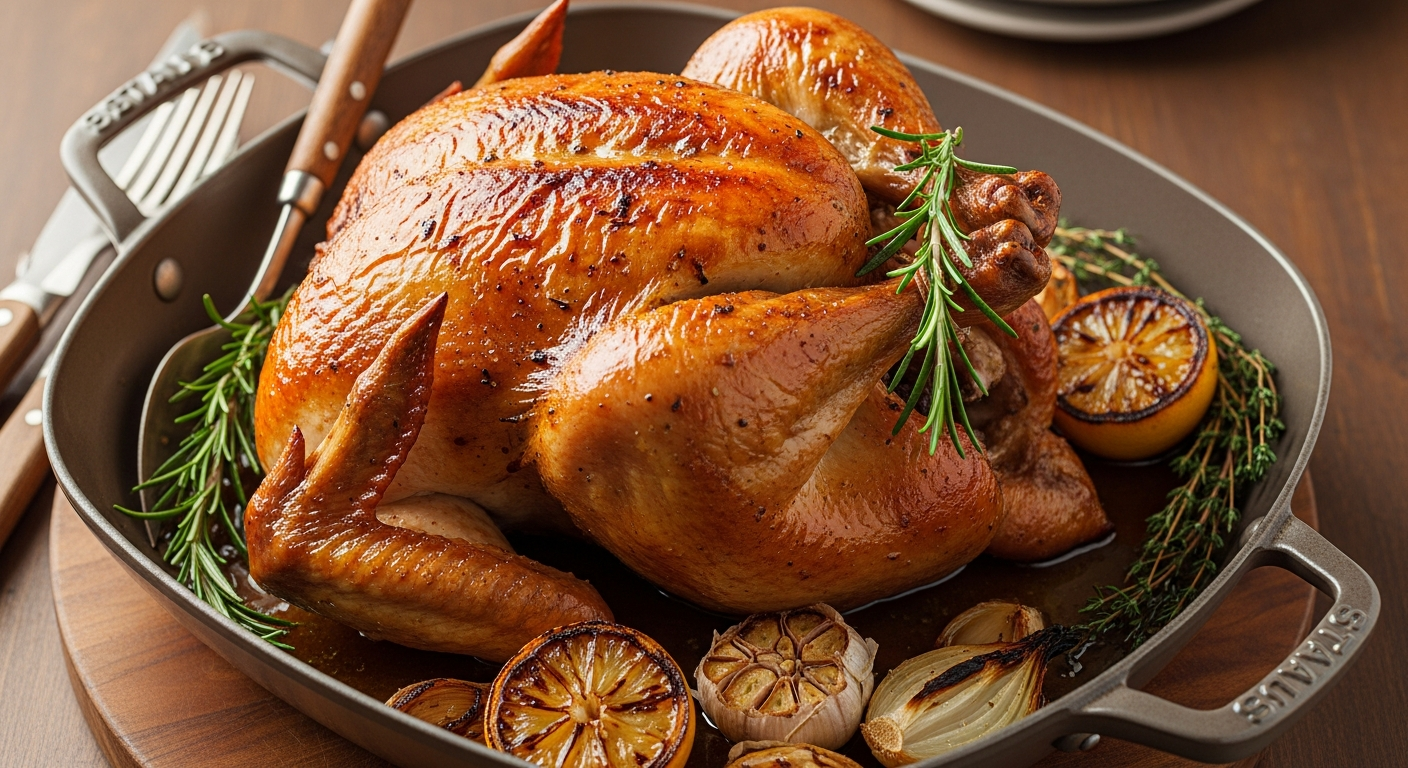
The Ultimate Guide to Roasting Chicken: Master the Art of the Perfect Bird
There is perhaps no dish in the culinary canon as universally beloved, yet frequently misunderstood, as the roast chicken. It is the cornerstone of Sunday dinners, the benchmark of a great bistro, and the ultimate comfort food for home cooks. When executed perfectly, a roast chicken offers a symphony of textures and flavors: skin so crisp it crackles like parchment, meat that drips with savory juices, and an aroma that can turn any house into a home. However, achieving this perfection requires more than just putting a bird in a hot oven and hoping for the best.
In this definitive guide for 2026, we are stripping away the myths and focusing on the science and soul of the perfect roast. Whether you are a novice cook looking to master the basics or an experienced enthusiast seeking to refine your technique, this guide provides everything you need to know. From sourcing the right bird to the final, crucial rest, we will explore the nuances that elevate a simple meal into a masterpiece.
Selecting the Perfect Bird: Why Quality Matters
The journey to an extraordinary roast chicken begins long before you preheat your oven. In the world of poultry, you truly get what you pay for. While a standard supermarket chicken will provide a meal, a high-quality bird will provide an experience. When shopping, look for “air-chilled” labels. Most mass-market chickens are chilled in a water bath, which causes the meat to absorb excess water. This water leaches out during cooking, leading to soggy skin and diluted flavor. Air-chilled chickens, conversely, retain their natural juices and have a skin that dehydrates more effectively for maximum crispness.
Consider the source of your chicken. Organic, pasture-raised birds often have a deeper, more “chickeny” flavor due to their varied diet and increased activity. In 2026, many home cooks are also exploring heritage breeds. These birds grow slower and have a different fat-to-meat ratio than the standard Cornish Cross, often resulting in a richer, more complex taste profile. Size also matters: for a home oven, a 3.5 to 4.5-pound bird is the “Goldilocks” zone. It is large enough to remain juicy but small enough to cook through before the exterior begins to burn.
Preparation Secrets: The Science of Crispy Skin and Juicy Meat
If there is one secret that separates professional chefs from home cooks, it is the preparation of the skin. Moisture is the enemy of crispiness. To achieve that coveted golden-brown crunch, you must ensure the bird is as dry as possible. Start by removing the chicken from its packaging and patting it down thoroughly with paper towels. For the absolute best results, perform this step 24 hours in advance and leave the chicken uncovered in the refrigerator. This “air-drying” process allows the skin to tighten and dehydrate, leading to a glass-like finish once roasted.
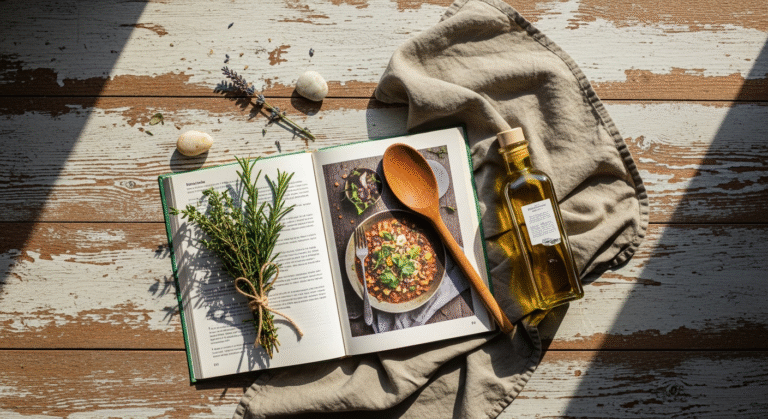
The next pillar of preparation is seasoning, specifically the “dry brine.” Salt does more than just flavor the meat; it reorganizes the protein structures, allowing the chicken to retain more moisture during the high-heat cooking process. Rub a generous amount of Kosher salt both over the skin and inside the cavity. Don’t be afraid to get under the skin of the breast meat to season the flesh directly. Adding aromatics—such as a halved lemon, a head of garlic, and a bunch of hardy herbs like thyme or rosemary—inside the cavity will perfume the meat from the inside out, providing a subtle, sophisticated flavor profile without overwhelming the natural taste of the poultry.
Essential Equipment for Every Home Cook’s Kitchen
You don’t need a professional kitchen to roast a world-class chicken, but a few specific tools will make the process infinitely more consistent. First and foremost is a high-quality roasting pan or a large cast-iron skillet. The benefit of a cast-iron skillet is its incredible heat retention, which helps cook the dark meat (the legs and thighs) more quickly than the white meat, leading to a more evenly cooked bird. If using a roasting pan, ensure it has relatively low sides to allow hot air to circulate freely around the chicken.
The second, and arguably most important, tool is an instant-read digital thermometer. Relying on “clear juices” or the “wiggle of a leg” is an invitation for overcooked, dry meat. In 2026, technology has made these thermometers faster and more accurate than ever. Finally, consider a piece of kitchen twine for trussing. While not strictly necessary for flavor, trussing—tying the legs together and tucking the wings—creates a compact shape that ensures the breast meat doesn’t cook too much faster than the thighs. It also makes for a beautiful, “magazine-ready” presentation at the dinner table.
Roasting Methods: Spatchcocking vs. Traditional Trussing
There are two primary schools of thought when it comes to the architecture of a roast chicken: the traditional whole roast and the spatchcock (or butterflied) method. Traditional roasting involves keeping the bird whole, which is excellent for heat retention and classic aesthetics. This method is best suited for those who enjoy the ritual of carving at the table. However, it can be tricky to ensure the legs are fully cooked without drying out the leaner breast meat.
Spatchcocking, which involves removing the backbone and flattening the bird, has become the preferred method for many modern enthusiasts. By flattening the chicken, you expose all the skin to direct heat, resulting in a more uniform crispiness. Because the bird is thinner, it also cooks significantly faster—often in 45 minutes rather than 90. Furthermore, because the legs and breasts are on the same plane, they tend to reach their ideal temperatures simultaneously. If you are short on time but unwilling to sacrifice quality, spatchcocking is the ultimate technique to master.
The Step-by-Step Masterclass to Your Perfect Roast
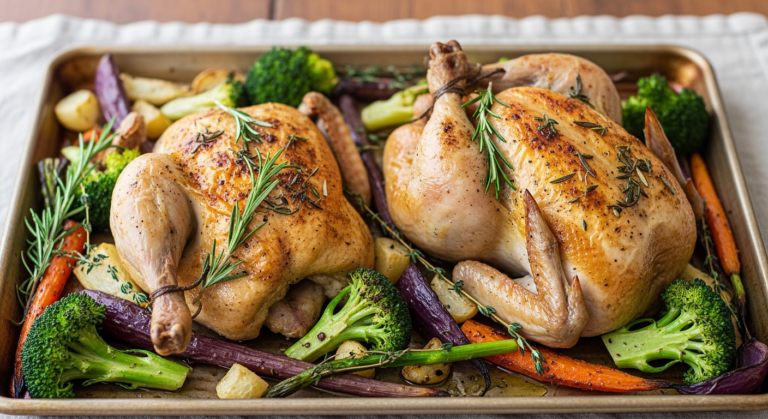
Now that the bird is prepped and the equipment is ready, it’s time for the oven. For a traditional whole roast, preheat your oven to 425°F (218°C). High heat is essential for the Maillard reaction—the chemical process that creates those browned, savory flavors on the skin. Place the chicken in your pan, breast-side up. If you aren’t using a rack, you can create a “natural rack” by placing the chicken on a bed of thick-cut onions, carrots, and potatoes. These vegetables will roast in the chicken fat (schmaltz), becoming one of the best parts of the meal.
Slide the bird into the oven. For a 4-pound chicken, start checking the temperature at the 50-minute mark. You are looking for an internal temperature of 160°F (71°C) in the thickest part of the breast and 175°F (79°C) in the thigh. Once it reaches these marks, remove the chicken from the oven immediately. The most critical step follows: the rest. You must let the chicken sit for at least 15 to 20 minutes before carving. This allows the muscle fibers to relax and reabsorb the juices. If you cut into it too soon, those juices will end up on your cutting board rather than in the meat, leaving you with a dry dinner.
Beyond the Bird: Pan Sauces, Gravies, and Side Dishes
A roast chicken is a complete meal, but the accessories are what make it legendary. While the chicken rests, look at your roasting pan. Those browned bits stuck to the bottom are called “fond,” and they are concentrated flavor gold. Place the pan over a medium burner on the stove, add a splash of dry white wine or chicken stock, and scrape the bottom with a wooden spoon. This process, known as deglazing, is the foundation of a world-class pan sauce. Whisk in a tablespoon of cold butter at the end for a glossy, restaurant-quality finish.
As for sides, the versatility of roast chicken is unmatched. In the colder months, root vegetables roasted alongside the bird provide a hearty accompaniment. In the spring, a light salad of arugula and shaved fennel with a bright lemon vinaigrette cuts through the richness of the chicken. For a truly decadent experience, follow the lead of famous Zuni Café and serve your roast chicken over a warm bread salad, where the bread cubes act as sponges for the savory drippings and vinaigrette.
—
Frequently Asked Questions (FAQ)
#
1. Do I need to wash my chicken before roasting?
No. In fact, food safety experts strongly advise against washing raw poultry. Rinsing the chicken can splash bacteria like Salmonella onto your countertops, sink, and surrounding surfaces. The high heat of the oven will effectively kill any bacteria on the bird. Simply pat the skin dry with paper towels.
#
2. Why is my chicken skin rubbery instead of crispy?
Rubbery skin is usually caused by excess moisture or too low an oven temperature. To fix this, ensure the bird is completely dry before seasoning, and don’t crowd the pan with too many watery vegetables. Additionally, roasting at a temperature of at least 400°F-425°F is necessary to render the fat and crisp the skin.
#
3. Should I baste the chicken while it cooks?
Basting is a common practice, but it is often counterproductive if you want crispy skin. Every time you open the oven door to baste, the oven temperature drops. Furthermore, pouring liquid over the skin during the cooking process can prevent it from becoming truly crisp. A well-seasoned bird with the right fat content (like butter or oil rubbed on the skin) doesn’t need basting to stay moist.
#
4. How do I know when the chicken is definitely done?
The only foolproof way is to use a meat thermometer. While many older recipes suggest 165°F for the breast, removing the bird at 160°F is often preferred, as “carry-over cooking” will bring the temperature up to the safe 165°F mark as it rests. The thighs are more forgiving and actually taste better when cooked to a slightly higher temperature (175°F).
#
5. Can I roast a chicken from frozen?
While it is technically possible, it is not recommended for a “perfect” roast. The exterior will likely overcook and dry out before the interior reaches a safe temperature. For the best texture and flavor, always thaw your chicken completely in the refrigerator before beginning the preparation process.
—
Conclusion: The Timeless Joy of the Roast
Mastering the roast chicken is more than just learning a recipe; it is about developing a feel for the kitchen. It teaches you the importance of heat management, the necessity of patience, and the value of high-quality ingredients. As we move through 2026, the desire for honest, homemade food continues to grow, and the roast chicken remains the peak of culinary satisfaction.
By following these steps—focusing on dry skin, proper seasoning, and precise temperature control—you can move beyond the “rotisserie” convenience of the grocery store and create something truly spectacular in your own kitchen. The beauty of the roast chicken lies in its simplicity. It requires no fancy gadgets or exotic ingredients, just a bit of technique and a lot of love. So, head to your local butcher, grab a beautiful bird, and start roasting. Your dinner table will thank you.