















20 Slow Cooker Beef Stew Variations to Warm Your Soul in 2026
There is something inherently magical about the aroma of a slow-simmering beef stew wafting through a home on a chilly afternoon. As we move into 2026, the humble slow cooker remains a cornerstone of the modern kitchen, bridging the gap between our busy schedules and the desire for wholesome, soul-warming meals. While the classic combination of beef, carrots, and potatoes will never go out of style, the world of slow-cooked comfort is vast and ripe for exploration. Whether you are looking to cut carbs, explore international spices, or find a use for that craft stout in your fridge, experimenting with slow cooker beef stew variations allows you to customize your dining experience to your exact palate. This guide is designed for home cooks who want to elevate their “set it and forget it” game, transforming a standard weeknight staple into a gourmet culinary event that celebrates depth, texture, and global inspiration.
The Foundation: Selecting Your Meat and Mastering the Sear
Before diving into specific flavor variations, it is essential to understand the structural integrity of a great stew. In 2026, sustainability and “nose-to-tail” cooking are more than just trends; they are practical ways to enjoy high-quality meals on a budget. For a slow cooker beef stew, you want cuts of meat that are rich in collagen and connective tissue. As the slow cooker works its low-heat magic over six to eight hours, this collagen breaks down into gelatin, creating a luxurious, velvety mouthfeel in the broth and fork-tender pieces of beef.
The most popular choice is the chuck roast. It is well-marbled and holds its shape during long cooking cycles. Other excellent options include beef shanks, short ribs, or even oxtail for a deeper, more gelatinous base. While many modern recipes suggest you can simply throw raw meat into the pot, true flavor enthusiasts know that the “Maillard reaction” is non-negotiable. Searing your beef in a hot pan with a splash of oil before it hits the slow cooker creates a complex, caramelized crust that deepens the entire flavor profile of the stew. This step adds a rich, savory “umami” that cannot be replicated by boiling alone. When you deglaze that searing pan with a bit of broth or wine, you capture every bit of “fond” (the browned bits), ensuring your 2026 stew is leagues ahead of the average crockpot meal.
International Flair: From French Bistro to Moroccan Souks
One of the most exciting ways to vary your beef stew is by looking across the globe for inspiration. If you are craving elegance, look to the French classic, *Boeuf Bourguignon*. To adapt this for the slow cooker, replace some of your beef broth with a full-bodied red wine like Pinot Noir or Cabernet Sauvignon. Add pearl onions, thick-cut bacon lardons, and whole cremini mushrooms. The result is a sophisticated, deep-purple stew that feels like a night out in Paris.
For a completely different profile, try a Moroccan-inspired beef stew. This variation trades the heavy gravy for a fragrant, spice-laden broth. Incorporate warm spices like cumin, coriander, ginger, and a pinch of cinnamon or saffron. Instead of potatoes, use chickpeas and sweet potatoes. The secret ingredient here is the addition of dried apricots or prunes, which reconstitute in the slow cooker, adding subtle sweetness that balances the earthy spices. Top it with fresh cilantro and a squeeze of lemon juice just before serving to brighten the flavors. These international variations prove that the slow cooker is a versatile vessel capable of transporting your taste buds to different continents with just a few pantry swaps.
Healthy and Low-Carb Variations: Keto and Paleo Options
As health-conscious cooking continues to evolve in 2026, many home cooks are looking for ways to enjoy comfort food without the heavy carbohydrate load. The traditional beef stew is often thickened with a flour roux and packed with starchy potatoes, but modern variations offer delicious alternatives. For a Keto-friendly beef stew, swap the potatoes for radishes, turnips, or cauliflower florets. When slow-cooked, radishes lose their sharp bite and take on a texture and flavor remarkably similar to red potatoes.
To thicken your stew without using grain-based flours, you can blend a portion of the cooked vegetables (like the cauliflower or onions) and stir them back into the pot, or use a small amount of xanthan gum or arrowroot powder. For those following a Paleo or Whole30 lifestyle, focus on the quality of the fats and broths. Use grass-fed beef tallow or avocado oil for searing, and ensure your beef broth is bone-based and free of added sugars or preservatives. By leaning heavily on aromatics like leeks, garlic, and celery, you can create a stew that is incredibly flavorful and nutrient-dense without needing the “filler” of traditional starches.
The Liquid Gold: Boozy Bases and Flavor Infusions
The liquid you choose for your slow cooker beef stew acts as the canvas for all other ingredients. While beef stock is the standard, 2026 kitchen trends encourage the use of “flavor boosters” to create a more complex sauce. An Irish-style stew, for example, relies heavily on a dark stout like Guinness. The bitterness of the hops and the roasted notes of the malt provide a chocolatey, coffee-like depth that pairs perfectly with beef. When using beer, be sure to balance the bitterness with a bit of brown sugar or a splash of balsamic vinegar.
If you prefer a non-alcoholic but equally deep flavor, consider adding a cup of strong brewed coffee or a tablespoon of espresso powder to your beef broth. Coffee enhances the “meatiness” of the beef without making the stew taste like a morning latte. Another popular variation involves using a “triple-threat” liquid base: one part beef broth, one part dry red wine, and a splash of Worcestershire sauce or liquid aminos. This combination provides acidity, salt, and richness, ensuring that every spoonful of the stew is multi-dimensional. Remember, the liquid doesn’t just cook the meat; it becomes the sauce that binds the entire dish together.
The Umami Revolution: Modern Pantry Hacks
In recent years, home cooks have become obsessed with “umami”—the fifth taste that signifies savoriness. To take your slow cooker beef stew variations to the next level in 2026, look to your pantry for unconventional ingredients that pack a punch. A tablespoon of tomato paste, sautéed briefly with your aromatics, provides a concentrated tomato flavor and natural thickening properties. But why stop there?
Try adding a tablespoon of white or red miso paste to your stew. Miso is a fermented soybean paste that adds a salty, earthy complexity that makes people ask, “What is that secret ingredient?” Similarly, a few splashes of fish sauce (don’t worry, it won’t taste like fish) or a parmesan rind dropped into the slow cooker can work wonders. The parmesan rind slowly releases glutamates into the broth, creating a savory backbone that is irresistible. Another modern hack is the use of “black garlic” or caramelized onions that have been cooked down before being added to the pot. These ingredients provide a sweetness and depth that balances the salt and acid of the stew, making for a truly professional-grade finish.
Regional American Twists: From the Southwest to New England
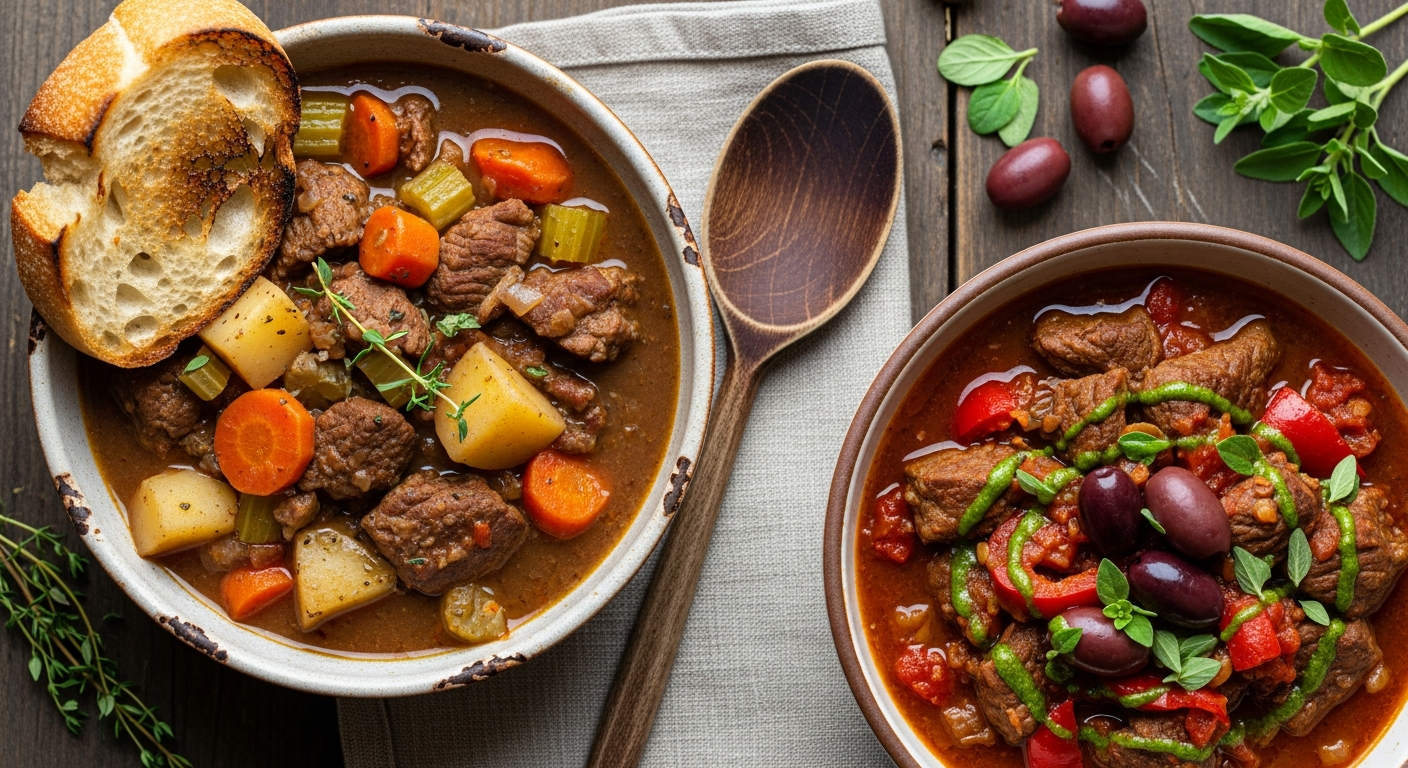
Beef stew is a blank slate that can easily reflect the regional flavors of the United States. For a Southwestern variation, think “Beef Stew meets Chili.” Incorporate roasted poblano peppers, fire-roasted tomatoes, and a hint of chipotle in adobo for smokiness. Instead of the traditional thyme and rosemary, use oregano and plenty of cumin. Serve this version with a dollop of sour cream, sliced avocado, and warm corn tortillas for a meal that is both familiar and exciting.
On the other end of the spectrum, a New England-style beef stew focuses on the harvest of the North. This variation often includes parsnips, rutabagas, and perhaps even a bit of hard apple cider in the cooking liquid. The sweetness of the root vegetables and the tartness of the cider create a bright, autumnal profile. For a final touch, some regional variations in the South suggest adding a handful of okra during the last hour of cooking, which acts as a natural thickener and adds a unique texture. These regional adaptations allow you to celebrate local produce and traditional flavor profiles while still enjoying the convenience of your slow cooker.
FAQ: Mastering Slow Cooker Beef Stew
**1. Do I really need to brown the meat before putting it in the slow cooker?**
While you *can* skip this step, it is highly recommended. Browning the meat via the Maillard reaction creates complex flavor compounds that you simply cannot get through slow cooking alone. If you are in a rush, at least brown half of the meat to provide some of that essential depth.
**2. How do I prevent my vegetables from getting too mushy?**
Root vegetables like carrots, potatoes, and parsnips hold up well over long periods. However, more delicate vegetables like frozen peas, spinach, or bell peppers should be added during the last 30 to 60 minutes of cooking. If you prefer your carrots with a bit of a “snap,” cut them into larger chunks.
**3. What is the best way to thicken the stew at the end?**
The easiest method is to create a “slurry” by mixing one tablespoon of cornstarch with two tablespoons of cold water. Stir this into the slow cooker during the last 30 minutes on the “High” setting. Alternatively, you can mash a few of the cooked potatoes directly into the broth to create a natural, rustic thickness.
**4. Can I overcook beef stew in a slow cooker?**
Yes. While the slow cooker is forgiving, cooking beef for 12+ hours can eventually cause the muscle fibers to become “stringy” and dry, even though they are submerged in liquid. For most cuts, 6-8 hours on “Low” or 3-4 hours on “High” is the sweet spot.
**5. How can I brighten the flavor of a stew that tastes “flat”?**
Slow cooking can sometimes dampen the brightness of ingredients. To fix this, add a “hit” of acidity just before serving. A teaspoon of balsamic vinegar, a squeeze of fresh lemon juice, or even a splash of dry sherry can wake up the flavors and balance the heavy fats.
Conclusion: Embracing the Slow Cooking Journey in 2026
As we look toward the culinary landscape of 2026, the slow cooker remains an indispensable tool for anyone who values both time and taste. Experimenting with beef stew variations is more than just a way to get dinner on the table; it is an opportunity to explore different cultures, adhere to health goals, and master the art of flavor layering. By understanding the importance of the initial sear, choosing the right liquid base, and not being afraid to dip into the “umami” toolbox, you can transform a simple pot of meat and vegetables into a masterpiece.
Whether you opt for the wine-soaked elegance of a French-style stew or the spicy, vibrant notes of a Southwestern variation, the key is to stay curious. The slow cooker is your partner in the kitchen, doing the heavy lifting while you go about your day. So, the next time you reach for that pack of stew meat, remember that the possibilities are endless. Don’t be afraid to break the “rules” and create a new family favorite that will keep everyone coming back for seconds well into the future. Happy slow cooking!