














The Ultimate Guide to the Best Spices for Roasting Vegetables in 2026
There is a culinary alchemy that occurs when raw, crisp vegetables meet the concentrated heat of a hot oven. As the moisture evaporates, sugars caramelize, and textures transform from fibrous to tender-crisp or buttery soft. However, even the most perfectly roasted floret of broccoli or wedge of sweet potato can fall flat without the right seasoning. In 2026, the art of vegetable roasting has moved far beyond simple salt and pepper. Home cooks and food enthusiasts are now embracing complex flavor profiles, global spice blends, and strategic layering to turn humble sides into the stars of the plate.
Choosing the best spices for roasting vegetables is about more than just heat; it is about enhancing the natural sweetness released during the Maillard reaction. Whether you are looking to create an earthy, Mediterranean-inspired medley or a bold, spicy sheet-pan dinner, understanding how different spices interact with high temperatures is key. This guide will explore the essential spices, innovative blends, and professional techniques that will elevate your roasting game this year.
The Foundations: Essential Pantry Spices for Every Roast
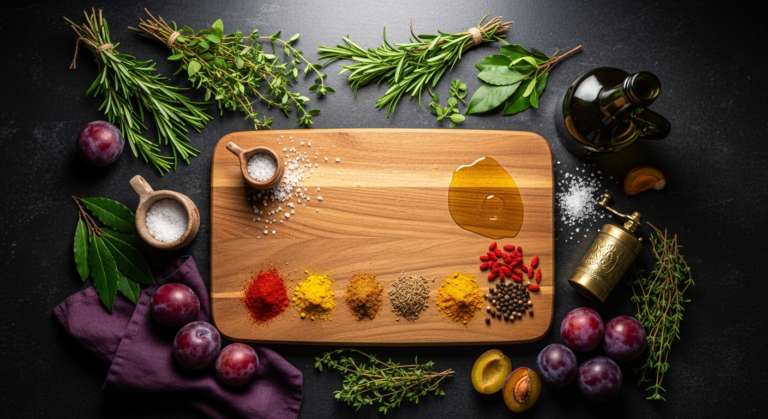
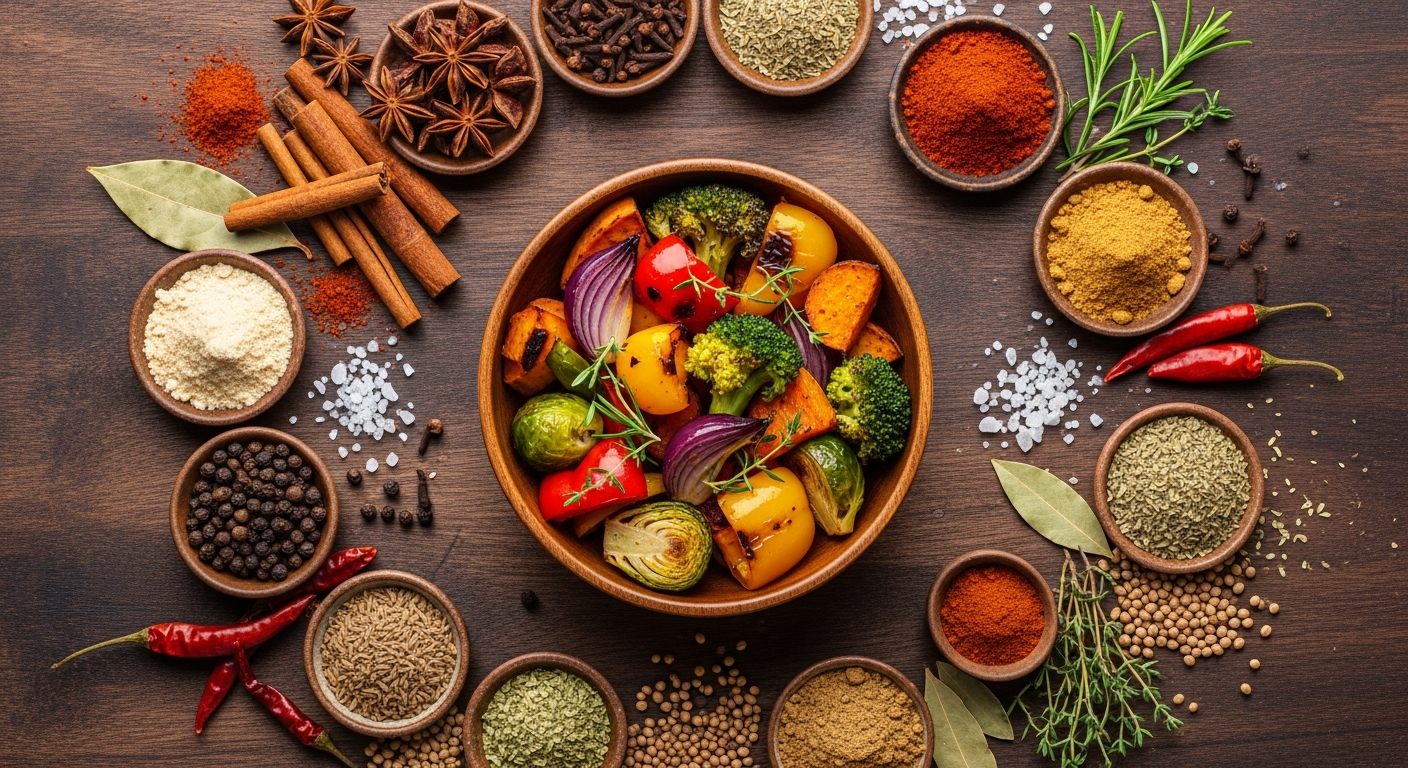
Before diving into exotic blends, every home cook must master the “foundational four.” These are the spices that provide the backbone for almost any vegetable dish, ensuring a balanced savory profile.
**1. High-Quality Salt and Freshly Cracked Black Pepper**
It sounds basic, but the texture and quality of your salt matter. In 2026, many chefs are moving away from standard table salt toward flaky sea salt or kosher salt. The larger grains provide a “pop” of flavor that doesn’t immediately dissolve into the vegetable. Black pepper should always be freshly ground; the pre-ground variety loses its volatile oils quickly, leaving you with heat but no floral aroma.
**2. Granulated Garlic and Onion Powder**
While fresh garlic is delicious, it often burns at the high temperatures required for roasting (usually 400°F/200°C and above), turning bitter. Granulated garlic and onion powder distribute more evenly across the surface of the vegetables, creating a savory “crust” that enhances the natural umami of mushrooms, potatoes, and asparagus.
**3. Smoked Paprika (Pimentón)**
If there is one “secret weapon” for roasted vegetables, it is smoked paprika. It provides a deep, wood-fired flavor without the need for a grill. It works exceptionally well on starchy vegetables like cauliflower and potatoes, giving them a “meaty” quality that appeals to vegetarians and meat-eaters alike.
Earthy and Warm: Bringing Out the Depth of Root Vegetables
Root vegetables—carrots, parsnips, beets, and radishes—possess a high sugar content that becomes incredibly sweet when roasted. To balance this sweetness, you need spices that offer earthiness and warmth.
**Cumin and Coriander**
This duo is a staple in Middle Eastern and Indian cuisines. Cumin provides a nutty, slightly bitter edge, while coriander adds a hint of citrus and floral notes. When applied to roasted carrots or parsnips, these spices cut through the sugar, creating a sophisticated, rounded flavor.
**Turmeric**
Beyond its vibrant gold color, turmeric offers a mild ginger-like flavor with a hint of pepper. It is particularly effective when roasting cauliflower or golden beets. In 2026, the trend of “functional cooking” continues to grow, and turmeric’s anti-inflammatory properties make it a popular choice for health-conscious enthusiasts.
**Ground Ginger**
While often reserved for baking, ground ginger adds a sharp, clean heat to roasted sweet potatoes and squash. It bridges the gap between sweet and savory, especially when paired with a drizzle of maple syrup or honey during the last five minutes of roasting.
A Touch of the Mediterranean: Herbs and Fragrance
Mediterranean roasting focuses on aromatics that evoke the sun-drenched hills of Italy and Greece. These are best suited for “softer” vegetables like zucchini, eggplant, bell peppers, and red onions.
**Rosemary and Thyme**
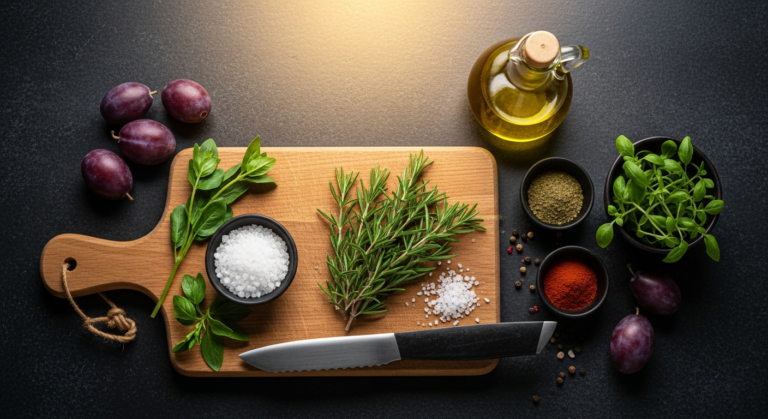
These woody herbs are built for the oven. Unlike delicate herbs like parsley or cilantro, rosemary and thyme can withstand 30–45 minutes of high heat. Rosemary pairs exceptionally well with roasted potatoes and lemons, while thyme is the perfect companion for roasted mushrooms and shallots. For the best results, toss the vegetables with the whole sprigs and then strip the leaves off before serving.
**Oregano and Marjoram**
Dried oregano is often more potent than fresh when it comes to roasting. It provides that classic “pizza” or “souvlaki” aroma that transforms a tray of roasted peppers and eggplant into a Mediterranean feast. Marjoram is a slightly sweeter, more delicate cousin to oregano, perfect for those who want a less pungent herbal profile.
**Fennel Seeds**
Fennel seeds are an underrated gem in the spice cabinet. When roasted, they soften and release a mild licorice flavor that is incredible with roasted tomatoes or cabbage wedges. They add a professional, “chef-y” touch to any vegetable tray.
Bold and Exotic: Global Spice Blends for Modern Roasting
As our palates become more global, home cooks in 2026 are increasingly reaching for pre-mixed or self-blended international spices. These blends offer a shortcut to complex, multi-dimensional flavor.
**Za’atar**
This Middle Eastern blend (usually consisting of sumac, thyme, oregano, sesame seeds, and salt) has become a household staple. The sumac provides a tart, lemony brightness that balances the char of roasted vegetables. It is particularly transformative on roasted chickpeas or eggplant.
**Ras el Hanout**
A North African powerhouse, this blend can contain over a dozen spices, including cinnamon, cloves, and cardamom. It adds an “expensive” taste to roasted squash and pumpkin, turning a simple side dish into a fragrant centerpiece.
**Everything Bagel Seasoning**
While it started as a breakfast trend, “everything” seasoning—a mix of dried garlic, onion, poppy seeds, and sesame seeds—is a fantastic way to add crunch and saltiness to roasted broccoli or Brussels sprouts. The seeds toast in the oven, providing a texture that spices alone cannot achieve.
**Garam Masala**
For a warming, soul-satisfying roast, a dusting of Garam Masala toward the end of the cooking process is unmatched. Because it contains “sweet” spices like cinnamon and mace, it works beautifully on winter vegetables.
Sweet and Spicy: Balancing Heat and Sugar
One of the most exciting ways to roast vegetables is to play with the contrast between heat and sweetness. This is particularly effective for brassicas (broccoli, Brussels sprouts, kale) which can sometimes have a bitter undertone.
**Red Pepper Flakes and Gochugaru**
Crushed red pepper flakes are the standard for adding a kick. However, many enthusiasts are switching to Gochugaru (Korean red chili flakes). Gochugaru offers a sun-dried sweetness and a vibrant red color with a manageable heat level that doesn’t overwhelm the palate.
**Cinnamon and Nutmeg**
It may feel counterintuitive to put cinnamon on a dinner tray, but a tiny pinch on roasted butternut squash or carrots enhances the natural sugars without making the dish taste like dessert. It adds a “hinterland” of flavor that leaves guests wondering what the secret ingredient is.
**Ancho Chili Powder**
Unlike standard chili powder, which is a blend, pure Ancho chili powder is made from dried poblano peppers. It is mild, dark, and fruity, offering a smoky sweetness that is incredible on roasted corn or sweet potatoes.
Mastering the Technique: When and How to Apply Your Spices
Even the best spices for roasting vegetables won’t save a soggy or burnt tray if the technique is wrong. Roasting is a high-heat dry-cooking method, and spices behave differently under these conditions.
**The Oil-to-Spice Ratio**
Spices are fat-soluble, meaning their flavors are “unlocked” by oil. Always toss your vegetables in a bowl with oil (avocado or olive oil are best for 2026 standards) and spices *before* putting them on the tray. This ensures every nook and cranny is coated. A good rule of thumb is 1 tablespoon of oil and 1 teaspoon of dried spices per pound of vegetables.
**The “Burn” Factor**
Delicate spices and dried herbs can burn if left in a 425°F oven for 40 minutes. If you are roasting dense vegetables like beets or potatoes, consider adding half your spice blend at the beginning and the remaining half (along with any fresh herbs) halfway through the cooking process.
**Don’t Crowd the Pan**
This is the cardinal rule of roasting. If vegetables are touching, they will steam rather than roast. Spices need the dry air of the oven to toast and adhere to the vegetable skins. Use two pans if necessary to ensure each piece has its own space.
**Finish with Acid**
While not a spice, a “finishing touch” is essential. A squeeze of lemon juice or a dash of balsamic vinegar after the vegetables come out of the oven will “wake up” the spices. The acid cuts through the oil and brings the spice profile into sharp focus.
FAQ: Frequently Asked Questions About Spices and Roasting
**1. Should I use fresh or dried herbs for roasting vegetables?**
For the roasting process itself, dried herbs (like oregano, thyme, and rosemary) are often superior because they don’t wilt or turn black as quickly as fresh ones. However, fresh herbs like parsley, cilantro, or mint should be used as a garnish *after* the vegetables are removed from the oven to provide a burst of color and freshness.
**2. Can I use store-bought spice blends, or should I make my own?**
Both are great! In 2026, high-quality artisanal blends are widely available. If using store-bought, just check the salt content. If the blend is salt-heavy, don’t add extra salt to your vegetables. Making your own allows you to control the heat and customize the flavor to your specific meal.
**3. Why do my spices taste bitter after roasting?**
Bitterness usually occurs if the spices have burned. This is common with garlic powder or dried herbs at very high temperatures. Try lowering the oven temperature to 400°F (204°C) or adding the spices slightly later in the roasting process. Also, ensure you are using enough oil to coat the spices, which helps protect them from direct heat.
**4. How do I get spices to stick to the vegetables?**
The secret is oil. If you sprinkle spices onto “dry” vegetables, they will simply fall to the bottom of the pan. By tossing the vegetables in a bowl with oil and spices together, the oil acts as a binder, ensuring the seasoning stays on the food throughout the cooking process.
**5. What is the best spice for someone who doesn’t like spicy heat?**
Smoked paprika and ground coriander are excellent choices. They provide deep, complex flavor and aroma without any “burn.” Turmeric is another great option for mild, earthy notes and beautiful color.
Conclusion
Mastering the best spices for roasting vegetables is a journey of experimentation and sensory discovery. As we move through 2026, the trend toward plant-forward eating continues to inspire home cooks to treat vegetables with the same respect and creativity as a primary protein. By understanding the balance between earthy, sweet, and herbal notes, and by applying the correct techniques to prevent burning, you can transform a simple tray of produce into a culinary masterpiece.
Remember that roasting is an intuitive process. Use the suggestions in this guide as a starting point, but don’t be afraid to mix and match. Whether it’s the smokiness of pimentón on a crispy potato or the floral brightness of za’atar on a head of cauliflower, the right spice combination will turn your oven into a tool for incredible flavor. Happy roasting!