




















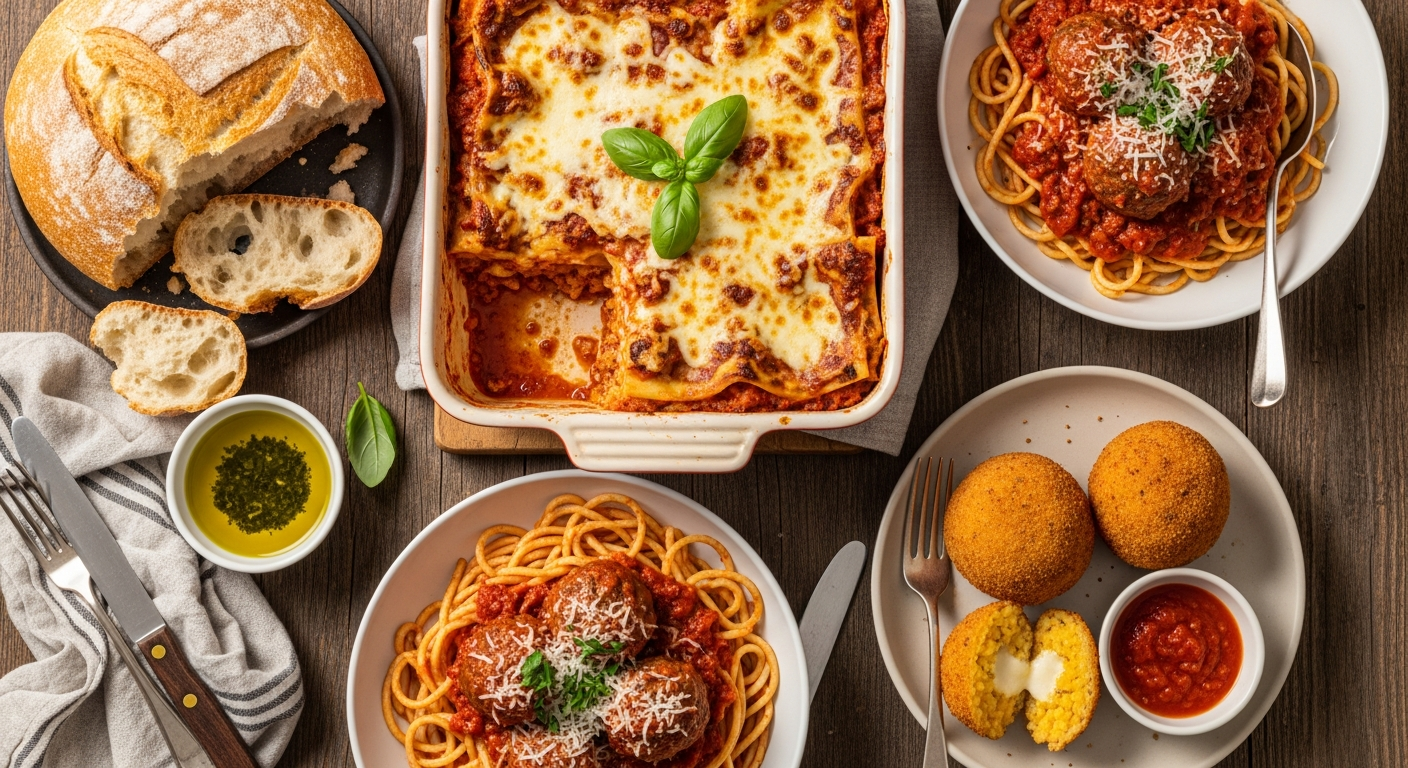
Mastering Classic Italian Comfort Food Recipes: A Guide to Authentic Home Cooking
In the fast-paced digital landscape of 2026, where food trends vanish as quickly as they appear, there remains one culinary pillar that never wavers: Italian comfort food. For home cooks and food enthusiasts, the allure of Italian cuisine lies not in its complexity, but in its soul. It is the art of transforming humble, high-quality ingredients—flour, eggs, tomatoes, and olive oil—into dishes that feel like a warm embrace. Whether it is the scent of a slow-simmering ragù wafting through the house on a Sunday morning or the rhythmic scraping of a wooden spoon against a risotto pot, these recipes are more than just sustenance; they are a celebration of family, heritage, and the joy of the table. In this guide, we dive deep into the essential techniques and timeless recipes that define classic Italian comfort, ensuring your kitchen becomes a sanctuary of authentic Mediterranean flavor.
1. The Soul of the Sunday Gravy: Authentic Tagliatelle alla Bolognese
When Italians speak of “comfort,” the conversation almost always begins with a long-simmered meat sauce. While many international versions of “Bolognese” involve a quick toss of ground beef and jarred marinara, the authentic *Ragù alla Bolognese* is a labor of love that requires patience.
The foundation of this dish is the *soffritto*—a finely minced trilogy of onion, celery, and carrot sautéed in butter or olive oil until soft and translucent. To elevate this to 2026 standards of culinary excellence, use a blend of fatty ground beef and pork (or even minced pancetta) to provide a rich, layered flavor profile.
The secret that distinguishes a master home cook from an amateur is the addition of milk. Adding whole milk to the meat after it has browned helps tenderize the fibers and creates a silky, creamy texture that cuts through the acidity of the tomatoes. Slow-cook the ragù for at least three to four hours on the lowest possible heat. Pair this with handmade egg tagliatelle; the wide, porous ribbons of pasta are designed specifically to catch and hold the heavy meat sauce, ensuring every bite is perfectly balanced.
2. Risotto ai Funghi: The Creamy Northern Embrace
If Southern Italy is the land of tomato and olive oil, the North is the kingdom of butter and rice. *Risotto ai Funghi* (Mushroom Risotto) is the ultimate vegetarian comfort food, offering an earthy, umami-rich experience that rivals any meat dish.
The key to a perfect risotto is the rice variety—look for *Arborio*, *Carnaroli*, or *Vialone Nano*. These high-starch grains are essential for achieving that signature “all’onda” (wavy) consistency without the need for heavy cream. The process begins with *tostatura*, or toasting the rice in a dry pan until the grains are hot to the touch. This locks in the starch and prevents the rice from becoming mushy.
For the mushrooms, a mix of fresh cremini and rehydrated dried porcini provides the best depth. Use the strained soaking liquid from the porcini as part of your broth to double down on the woody aroma. The most crucial step is the *mantecatura*: at the very end, off the heat, vigorously stir in cold cubes of butter and a generous dusting of Parmigiano-Reggiano. This creates a luxurious emulsion that coats the rice in a velvet sheen.
3. Gnocchi di Patate: Pillows of Culinary Joy
There is perhaps no dish more synonymous with Italian home cooking than *Gnocchi di Patate*. These small potato dumplings are deceptively simple, yet they require a “touch” that many home cooks find intimidating. The goal is a light, airy dumpling that melts on the tongue, rather than a dense, rubbery nugget.
The secret starts with the potato. Use starchy, older potatoes (like Russets) and boil them in their skins to prevent water absorption. Once tender, peel and mash them while they are still steaming hot to allow moisture to evaporate. The cardinal sin of gnocchi making is over-flouring; use just enough flour to bind the dough.
For a classic comfort presentation, toss your fresh gnocchi in a simple *Burro e Salvia* (Brown Butter and Sage) sauce. The nutty aroma of the toasted butter and the crispiness of the fried sage leaves complement the delicate sweetness of the potato without overwhelming it. It is a masterclass in how three or four ingredients can create a world-class meal.
4. Melanzane alla Parmigiana: The Ultimate Vegetable Bake
While pizza and pasta grab the headlines, *Melanzane alla Parmigiana* (Eggplant Parmesan) is arguably the king of Italian comfort bakes. Unlike the breaded and fried versions often found in takeout joints, the authentic Italian version focuses on the interplay between the earthy eggplant, bright tomato sauce, and molten mozzarella.
To achieve the best texture, slice the eggplants thinly and salt them for an hour to draw out bitterness and excess moisture. While some modern cooks prefer grilling to save calories, traditionalists know that a light fry in olive oil provides the necessary richness. Layer the eggplant with a simple pomodoro sauce (garlic, basil, and crushed San Marzano tomatoes) and plenty of fresh mozzarella and Parmigiano.
Bake it until the edges are caramelized and the center is bubbling. The beauty of this dish is that it actually tastes better the next day after the flavors have had time to marry, making it the perfect “make-ahead” comfort meal for a busy week.
5. Polenta and Slow-Braised Short Ribs
In the colder months, nothing beats the rustic charm of polenta. Traditionally stirred in a copper pot over an open fire, modern home cooks can achieve excellent results with high-quality stone-ground cornmeal. The key is the ratio: four parts water to one part polenta, seasoned heavily with salt.
While the polenta simmers, prepare a batch of slow-braised beef short ribs. Sear the meat until a dark crust forms, then deglaze the pan with a bold Italian red wine like Chianti or Nebbiolo. Add beef stock, aromatics, and a touch of tomato paste, then let the meat braise until it literally falls off the bone.
Serve the ribs over a “well” of creamy, buttery polenta, allowing the rich, wine-infused braising liquid to soak into the cornmeal. This dish represents the pinnacle of “cucina povera”—taking inexpensive, tough cuts of meat and transforming them through time and technique into something fit for royalty.
6. Tiramisu: The “Pick-Me-Up” Finale
No exploration of Italian comfort food recipes is complete without dessert. *Tiramisu*, which literally translates to “pick me up,” is a relatively modern classic that has become a global symbol of Italian indulgence.
The brilliance of Tiramisu lies in its balance of bitter and sweet. Authenticity demands high-quality ladyfingers (*savoiardi*) lightly dipped—never soaked—in strong espresso. The cream layer should be a whipped mixture of mascarpone, sugar, and egg yolks (some prefer to fold in whipped egg whites or heavy cream for extra lightness).
Avoid the temptation to add too much alcohol; a splash of Marsala wine or dark rum is traditional, but the coffee should remain the star. A heavy dusting of dark cocoa powder on top provides the necessary bitter contrast to the rich cream. It is a no-bake masterpiece that proves comfort doesn’t always have to come from the oven.
Frequently Asked Questions (FAQ)
#
What is the best type of pasta for comfort food recipes?
For heavy meat sauces like Bolognese, wide ribbons like Tagliatelle or Pappardelle are best. For creamy or cheese-based sauces, short shapes with ridges like Rigatoni or Penne are ideal as they “trap” the sauce inside and out.
#
Can I make authentic Italian food without wine?
While wine adds acidity and depth to braises and risottos, you can substitute it with a splash of verjuice or a small amount of high-quality vinegar diluted in broth. However, for dishes like Short Ribs, wine is a central flavor component.
#
Why are my gnocchi always too chewy?
Chewiness is usually caused by over-working the dough or adding too much flour. Mix the dough until it just comes together, and try to use “00” flour or all-purpose flour with a light hand.
#
Is it necessary to use San Marzano tomatoes?
San Marzano tomatoes are prized for their low acidity and sweet flavor, which is perfect for simple sauces. If you can’t find them, look for high-quality Italian canned plum tomatoes and add a tiny pinch of sugar if they taste too acidic.
#
How do I store leftover Italian comfort food?
Most braises and bakes (like Lasagna or Parmigiana) freeze exceptionally well. Pasta, however, is best eaten fresh. If you have leftover sauce, freeze the sauce separately and boil fresh pasta when you are ready to eat again.
Conclusion: Bringing the Italian Table to Your Home
The journey through classic Italian comfort food recipes is a reminder that the best meals aren’t defined by expensive gadgets or trendy ingredients. Instead, they are defined by the quality of the produce, the respect for tradition, and the time spent at the stove. As we move through 2026, the desire for food that tells a story and provides genuine emotional satisfaction has never been stronger.
By mastering the slow-simmered ragù, the delicate fold of a gnocchi dough, and the patience required for a perfect risotto, you aren’t just cooking dinner—you are participating in a centuries-old ritual of care. These dishes invite us to slow down, to pour a glass of wine, and to share a meaningful moment with those we love. So, dust off your Dutch oven, sharpen your knives, and embrace the rustic, heart-warming world of Italian home cooking. Your kitchen—and your soul—will be all the better for it.