












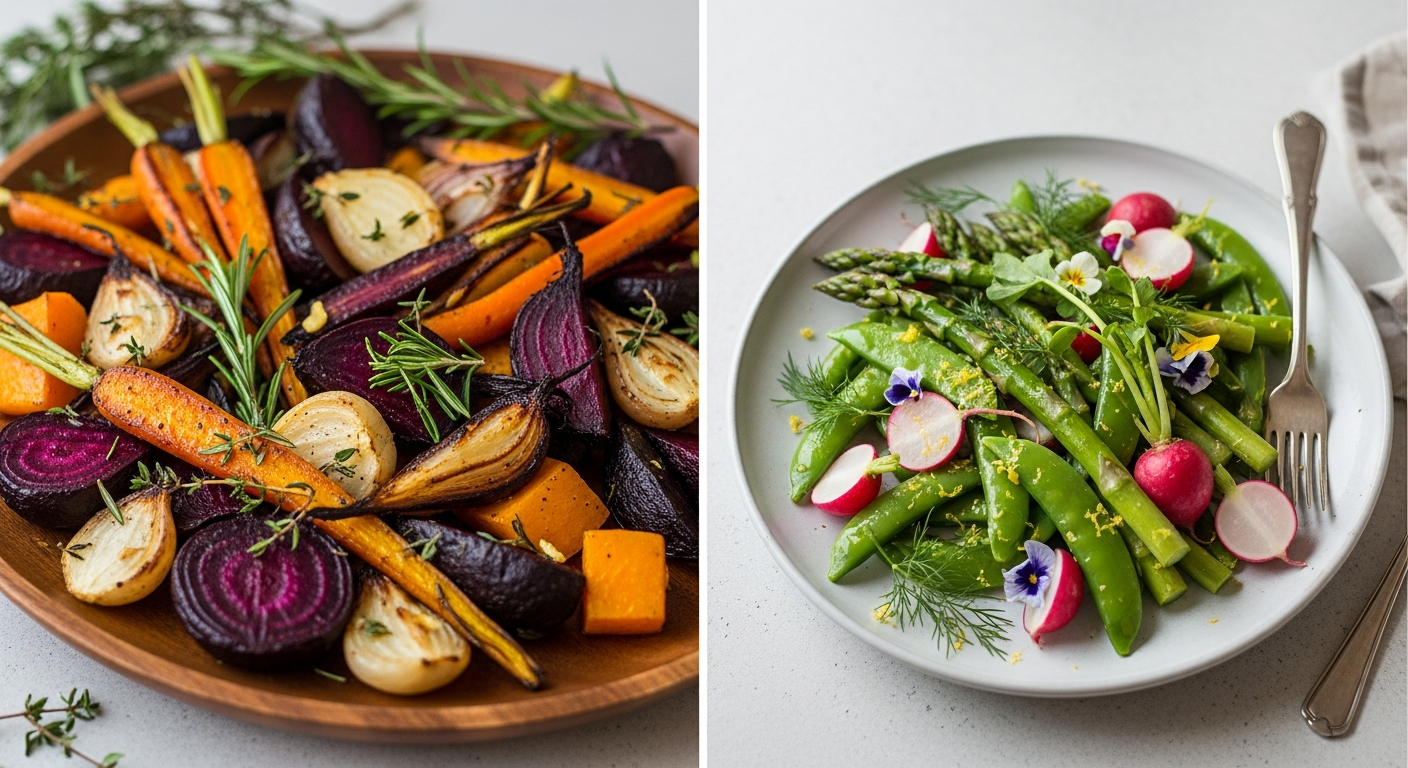
Elevate Your Plate: Creative Seasonal Vegetable Side Dish Ideas for 2026
In the modern culinary landscape, the side dish is no longer an afterthought. As we move into 2026, the shift toward plant-forward dining has transformed the humble vegetable from a plate filler into the star of the show. Home cooks and food enthusiasts are increasingly looking for ways to celebrate the natural rhythms of the earth, seeking out produce at its peak of flavor and nutritional density. Eating seasonally isn’t just a sustainable choice; it’s a gourmet one. When you cook with the seasons, you are working with ingredients that require less manipulation because their inherent sweetness, crunch, and vibrancy are already at their zenith. Whether you are hosting a formal dinner party or preparing a Tuesday night meal, incorporating seasonal vegetable side dish ideas into your repertoire ensures variety, color, and unparalleled freshness. This guide explores the best of the four seasons, offering innovative techniques and flavor pairings to keep your table inspired all year long.
Spring: A Celebration of Renewal and Crisp Textures
Spring is the season of “green.” After a winter of heavy tubers and preserved foods, the first shoots of spring bring a much-needed lightness to the palate. In 2026, the trend for spring sides focuses on minimal heat and “nose-to-tail” vegetable cooking, utilizing every part of the plant from root to leaf.
#
Asparagus with Lemon Gremolata and Toasted Hazelnuts
Asparagus is the quintessential spring vegetable. While steaming is traditional, 2026 is all about the “quick char.” High-heat roasting or pan-searing asparagus for just three minutes preserves its snap while adding a smoky depth. Elevate this by topping it with a fresh gremolata—a mix of lemon zest, minced parsley, and garlic—and a handful of crushed toasted hazelnuts. The acidity cuts through the earthiness, and the nuts provide a necessary textural contrast.
#
Honey-Glazed Carrots with Carrot-Top Pesto
Don’t throw away those vibrant green tops! Young spring carrots are tender enough to be eaten with just a light glaze of honey and butter. For a sophisticated twist, blanch the carrot greens and blend them with walnuts, parmesan, and olive oil to create a zero-waste pesto. Drizzle this over the roasted carrots for a dish that looks as beautiful as it tastes.
#
Minted Pea and Radish Salad
Fresh peas are a revelation compared to their frozen counterparts. For a cold side dish, toss blanched English peas with thinly shaved radishes and a chiffonade of fresh mint. A light dressing of white balsamic vinegar and high-quality extra virgin olive oil allows the delicate sweetness of the peas to shine through.
Summer: Bold Flavors and Charred Aromas
Summer side dishes should be vibrant, juicy, and often kissed by the flame. As temperatures rise, the goal is to spend less time in a hot kitchen and more time utilizing the grill or assembling raw, peak-flavor salads.
#
Grilled Corn with Miso-Lime Butter
Corn on the cob is a summer staple, but 2026 sees a move toward global umami flavors. Instead of plain butter, whip up a compound butter using white miso paste, lime juice, and a pinch of smoked paprika. Slather this over charred corn. The fermented depth of the miso pairs perfectly with the natural sugars of the corn, creating a side dish that is salty, sweet, and savory all at once.
#
Heirloom Tomato and Peach Panzanella
When tomatoes are at their peak, they deserve to be the centerpiece. A modern take on the Italian bread salad involves pairing juicy heirloom tomatoes with sliced ripe peaches. The sweetness of the fruit complements the acidity of the tomatoes. Use sourdough cubes toasted in olive oil to soak up the juices, and finish with torn basil and a drizzle of honey-shallot vinaigrette.
#
Zucchini Ribbons with Chili and Feta
Zucchini is notoriously prolific in summer gardens. Instead of sautéing it into mush, use a peeler to create long, thin ribbons. Toss these “noodles” raw with a squeeze of lemon, dried chili flakes, and crumbled feta cheese. The residual heat from other dishes on the plate will soften the zucchini just enough, maintaining a refreshing crunch that balances heavier grilled meats.
Autumn: Roasting, Spices, and Earthy Comforts
As the air turns crisp, our cravings shift toward warmth and caramelization. Autumn vegetables like squash, Brussels sprouts, and hardy greens benefit from long roasting times that coax out their natural sugars.
#
Miso-Maple Roasted Brussels Sprouts
Brussels sprouts have undergone a culinary PR makeover in recent years, and in 2026, they remain a favorite. To avoid the “boiled cabbage” aroma of the past, roast them at 425°F (218°C) until the outer leaves are nearly blackened and crispy. Toss them in a glaze of maple syrup and red miso. This combination provides a sticky, savory coating that makes these sprouts addictive even for the most skeptical diners.
#
Delicata Squash with Pomegranate and Tahini
Delicata squash is a favorite for home cooks because its skin is edible, eliminating the need for peeling. Slice them into half-moons and roast with cinnamon and cumin. Serve them drizzled with a creamy tahini sauce and a sprinkle of pomegranate seeds. The bright red “jewels” provide a pop of tartness that cuts through the starchiness of the squash.
#
Braised Chard with Smoked Paprika and Chickpeas
Autumn is the time for hearty greens. Swiss chard, with its colorful stems, is perfect for a quick braise. Sauté the chopped stems first with garlic and smoked paprika, then add the leaves and a splash of vegetable stock. Stir in a can of crispy roasted chickpeas for a side dish that is substantial enough to feel like a meal but light enough to accompany a roast.
Winter: Root Vegetables and the Art of Preservation
Winter cooking is about transformation. With a focus on root vegetables and storage crops, the 2026 winter kitchen relies on bright citrus accents and fermented elements to keep flavors lively during the darkest months.
#
Roasted Beet and Blood Orange Salad
Beets are the gems of the winter garden. Roast them whole in foil to concentrate their flavor, then peel and wedge them once cool. Pair the earthy beets with segments of blood orange or grapefruit. The citrus juice acts as a natural dressing, while the addition of goat cheese or whipped ricotta adds a creamy, luxurious finish.
#
Parsnip Puree with Brown Butter and Sage
Move over, mashed potatoes. Parsnips offer a complex, peppery sweetness that makes for an elegant puree. Boil them in a mixture of milk and water until tender, then blend with a generous amount of brown butter and fried sage leaves. This side dish is exceptionally smooth and pairs beautifully with winter stews or roasted poultry.
#
Salt-Crusted Celery Root (Celeriac)
Celeriac is often overlooked due to its gnarled appearance, but it is a culinary powerhouse. For a dramatic side dish, bake the whole root in a crust of coarse sea salt. This method steams the vegetable in its own juices, resulting in a texture similar to a baked potato but with a delicate celery-and-nut flavor. Carve it at the table for a true “wow” factor.
Global Influences and 2026 Culinary Techniques
To truly modernize your seasonal vegetable side dishes, look toward global pantry staples and new kitchen technology. The 2026 home cook isn’t afraid to experiment with fermentation, air frying, and high-umami seasonings.
* **The Air Fryer Revolution:** By 2026, the air fryer has become a precision tool for vegetables. It’s the best way to achieve “shatter-crisp” textures on kale chips, broccoli florets, and even sliced radishes without the need for deep frying.
* **The Power of Furikake:** This Japanese seasoning—traditionally a mix of dried fish, seaweed, and sesame seeds (though vegan versions are popular)—is a “cheat code” for vegetable sides. Sprinkle it over steamed bok choy or roasted sweet potatoes for instant complexity.
* **Agrodolce Finishes:** The Italian concept of “sour and sweet” is a major trend. A quick drizzle of balsamic glaze mixed with a pinch of sugar and red pepper flakes can transform a standard pan of roasted cauliflower into a restaurant-quality dish.
* **Cultured Toppings:** Using yogurt, labneh, or kefir as a base for vegetable platters adds a probiotic boost and a cooling tang. Try spreading a thick layer of salted labneh on a plate before topping it with warm, spice-roasted carrots or charred green beans.
Tips for Sourcing the Best Seasonal Produce
The success of a vegetable-forward side dish depends entirely on the quality of the ingredients. In 2026, sourcing is more transparent and accessible than ever.
1. **Join a CSA (Community Supported Agriculture):** This remains the best way to get “farmer’s choice” produce delivered to your door. It forces you to cook with whatever is currently peaking in your local soil.
2. **Shop the Perimeter of the Farmer’s Market:** The most interesting heirloom varieties are often found at smaller stalls away from the main entrance. Look for “ugly” vegetables; they often pack the most flavor.
3. **Check the Weight:** For summer crops like tomatoes and eggplant, the heavier they feel for their size, the juicier they will be. For winter roots, look for firmness; any soft spots indicate the vegetable is past its prime.
4. **Embrace Frozen as a Backup:** While fresh is best, 2026 flash-freezing technology preserves nutrients better than ever. If a vegetable is out of season, a high-quality frozen version is better than a “fresh” version that has traveled 3,000 miles.
FAQ: Seasonal Vegetable Side Dish Ideas
**Q: How can I make vegetable side dishes ahead of time without them getting soggy?**
A: The key is to “undercook” them slightly. If you are roasting vegetables for a dinner party, take them out 5 minutes early. Reheat them in a hot oven (400°F) just before serving to crisp the edges. For salads, keep the dressing on the side until the very last moment.
**Q: What are some kid-friendly seasonal vegetable ideas?**
A: “Fritterize” them! Almost any seasonal vegetable—from spring peas to autumn squash—can be grated, mixed with a little flour and egg, and pan-fried into a crispy fritter. Serving vegetables with a “dipping sauce” like a herby yogurt or mild tahini also increases appeal for younger eaters.
**Q: Can I use frozen vegetables for these recipes?**
A: Yes, particularly for peas, corn, and green beans. However, for roasting or raw salads, fresh produce is significantly better for texture. If using frozen vegetables for roasting, do not thaw them first; toss them in oil and salt and put them directly into a very hot oven.
**Q: How do I balance flavors in a vegetable side dish?**
A: Follow the “F-A-S-S” rule: Fat, Acid, Salt, and Sweet. If a dish tastes flat, it usually needs acid (lemon juice or vinegar). If it’s too bitter, it needs a touch of sweet (honey or maple syrup) or fat (butter or oil).
**Q: What is the best way to store seasonal vegetables to keep them fresh?**
A: Root vegetables like cool, dark, dry places. Leafy greens should be washed, dried thoroughly, and stored in a breathable bag in the crisper drawer. Asparagus and herbs should be treated like flowers—stand them up in a jar with an inch of water in the fridge.
Conclusion
The evolution of seasonal vegetable side dish ideas in 2026 reflects a deeper connection to our environment and a more sophisticated understanding of flavor. By moving away from over-boiled, under-seasoned vegetables and embracing techniques like high-heat roasting, raw-shaving, and umami-rich glazing, you can transform every meal into a celebration of the harvest. Whether it’s the crisp bite of a spring radish or the deep, caramelized warmth of a winter parsnip, cooking with the seasons ensures that your food is at its peak of nutrition and taste. Let these ideas serve as a canvas for your own culinary creativity—experiment with global spices, play with textures, and never underestimate the power of a perfectly cooked vegetable to steal the show. Happy cooking!