













The Ultimate Guide to One Pot Vegetarian Pasta Meals: Effortless Weeknight Dinners
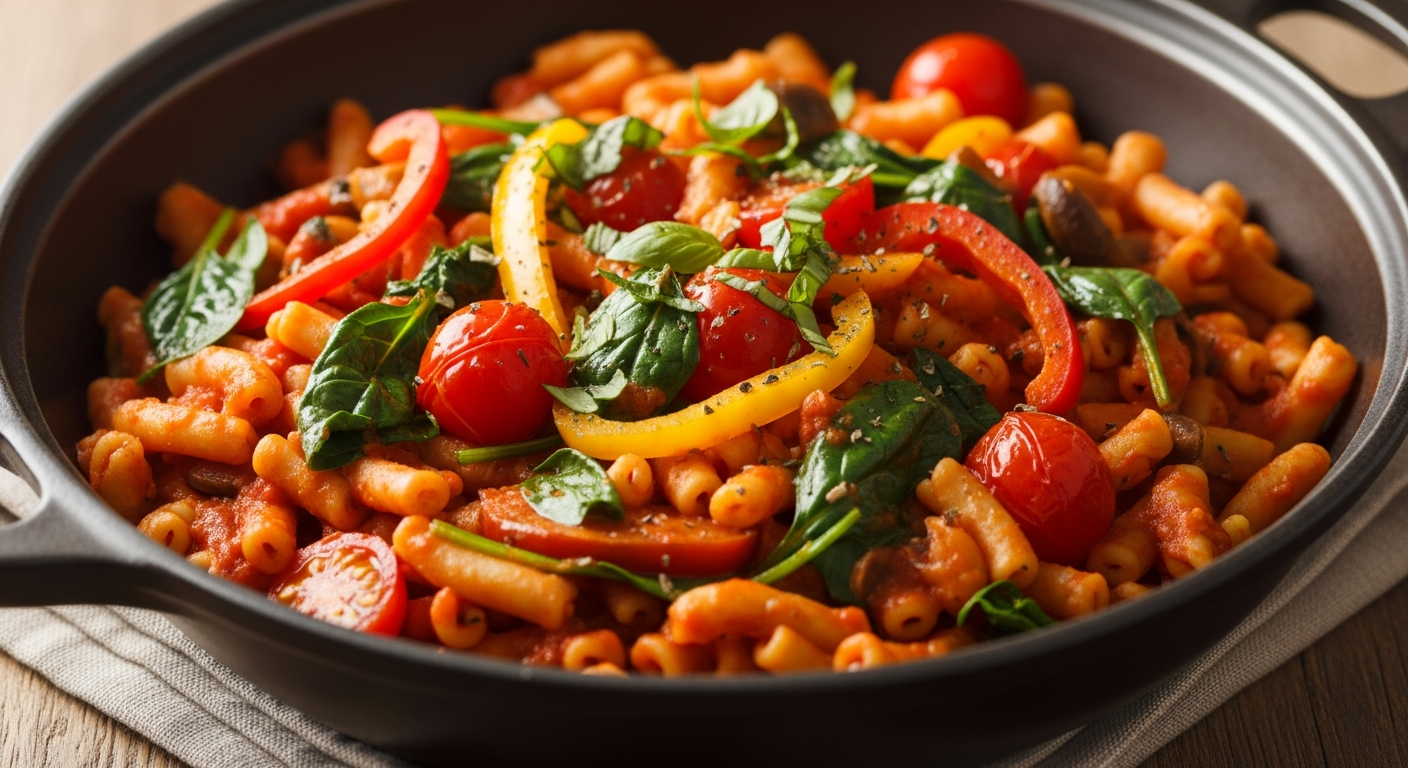
In the fast-paced world of 2026, the modern home cook is looking for three things: flavor, nutrition, and efficiency. Enter the era of one pot vegetarian pasta meals—a culinary revolution that has transformed the way we approach weeknight cooking. Gone are the days of juggling multiple boiling pots, draining heavy colanders of starchy water, and facing a mountain of dishes after a long day at work. The one-pot method is more than just a shortcut; it is a sophisticated technique that utilizes the natural starches of the pasta to create a silky, built-in sauce that coats every strand perfectly. Whether you are a seasoned plant-based eater or a “meatless Monday” enthusiast, mastering the one-pot method is the ultimate “level up” for your kitchen repertoire. This guide explores everything from the science of the starch to the bold flavor combinations that make vegetarian pasta the star of the dining table.
Why One Pot Pasta is a Game Changer for Modern Kitchens
The “one pot” philosophy has evolved significantly over the last few years. While the concept was popularized a decade ago, the 2026 approach focuses on culinary depth and gourmet textures. The primary benefit, of course, is the reduction in cleanup. When you cook your pasta, vegetables, and sauce components in a single vessel, you eliminate the need for strainers, extra pans, and ladles. However, for the true food enthusiast, the real magic lies in the texture.
When you boil pasta in a large pot of salted water and drain it, you lose the “liquid gold”—the starchy water that chefs use to emulsify sauces. In a one-pot meal, that starch remains in the pot, acting as a natural thickener. This creates a luxurious, velvety mouthfeel that is difficult to achieve with traditional boiling. Furthermore, because the pasta cooks directly in the broth or sauce, it absorbs the flavors of the aromatics, herbs, and spices from the inside out. Instead of a plain noodle with sauce sitting on top, you get a cohesive dish where every bite is infused with the essence of the ingredients.
For vegetarian cooking, this method is particularly beneficial. Without meat fats to provide richness, one-pot pasta relies on the synergy between vegetable broths, healthy fats like extra virgin olive oil, and the natural creaminess of the pasta starch. It is a sustainable, energy-efficient way to cook that aligns perfectly with a modern, eco-conscious lifestyle.
The Science of the Perfect One Pot Pasta: Ratios and Timing
Success with one pot vegetarian pasta meals isn’t about luck; it’s about the ratio of liquid to dry ingredients. Because the liquid won’t be drained, you must use exactly enough to hydrate the pasta and create a sauce, without leaving the dish soupy or, conversely, letting it burn to the bottom of the pan.
As a general rule for 2026 kitchen standards, a ratio of **2:1 or 2.5:1 (liquid to pasta by weight)** is the sweet spot. For every 12 ounces of pasta, you typically need about 3 to 4 cups of liquid. However, this varies based on the vegetables you include. High-moisture vegetables like zucchini, mushrooms, or spinach will release their own juices, meaning you may need slightly less broth.
**The Choice of Pot:**
A wide, shallow pot or a deep sauté pan is better than a tall, narrow stockpot. You want maximum surface area so the pasta can lay relatively flat and cook evenly. A heavy-bottomed Dutch oven is the gold standard, as it retains heat beautifully and prevents “hot spots” that cause sticking.
**The Timing:**
Pasta usually takes 9 to 12 minutes to reach *al dente* in a one-pot environment. It is crucial to stir the pot every few minutes. Unlike traditional boiling where the water circulates the pasta, in a one-pot meal, the starch can settle at the bottom and cause the noodles to clump or scorch. Constant, gentle agitation ensures a smooth sauce and evenly cooked noodles.
Essential Ingredients for Flavor-Packed Vegetarian Pasta
To prevent a vegetarian dish from tasting “flat,” you must layer your flavors strategically. Since we are forgoing meat, we need to look for “umami” boosters and aromatic foundations.
1. **The Aromatic Base:** Always start with the “Holy Trinity” of flavor—onions (or shallots), garlic, and perhaps celery or carrots. Sautéing these in olive oil or butter for 3-5 minutes *before* adding the water and pasta unlocks fat-soluble flavors that boiling alone cannot achieve.
2. **The Liquid Gold:** Use high-quality vegetable stock instead of plain water. For a deeper flavor, look for mushroom-based broths or “no-chicken” bouillons. If you’re feeling adventurous, replace half a cup of the liquid with a crisp dry white wine to add acidity and complexity.
3. **Umami Boosters:** Since we aren’t using pancetta or ground beef, add a tablespoon of tomato paste, a splash of soy sauce, or a teaspoon of nutritional yeast. Sun-dried tomatoes or olives also provide a salty, savory punch that mimics the depth of meat.
4. **The Finishing Fats:** A one-pot pasta is finished when the liquid has reduced to a thick glaze. At this moment, “mounting” the sauce with a final fat source is key. A swirl of cold butter, a splash of heavy cream, or a generous drizzle of premium finishing oil transforms the dish from a simple home meal to a restaurant-quality experience.
5 Iconic One Pot Vegetarian Pasta Combinations to Try
To help you get started, here are five flavor profiles that have become staples for home cooks in 2026. Each follows the same basic principle: sauté aromatics, add pasta and liquid, simmer, and finish with fresh greens or cheese.
#
1. The Tuscan Sun-Dried Tomato and Spinach Cream
This is a crowd-pleaser that feels indulgent. Use penne or rigatoni. Combine vegetable broth, sun-dried tomatoes, garlic, and a touch of heavy cream (or coconut milk for a vegan version). In the final two minutes, fold in four cups of fresh baby spinach. The heat from the pasta will wilt the spinach perfectly without overcooking it. Top with toasted pine nuts for crunch.
#
2. Lemon-Garlic Asparagus with Orzo
Orzo is the “secret weapon” of one-pot cooking because its small shape releases starch quickly, creating a risotto-like texture. Use plenty of lemon zest and juice, minced garlic, and vegetable stock. Add chopped asparagus spears halfway through the cooking time. Finish with fresh parsley and a handful of vegetarian parmesan.
#
3. Creamy Wild Mushroom and Thyme
Mushrooms are the kings of vegetarian umami. Sauté cremini, shiitake, or oyster mushrooms until they are deeply browned and their moisture has evaporated. Add fettuccine and a mushroom-infused broth. The earthy notes of the mushrooms paired with fresh thyme create a sophisticated, “meaty” texture that satisfies even the most dedicated carnivores.
#
4. Spicy Arrabbiata with Chickpeas
For a protein boost, add a can of rinsed chickpeas to a spicy tomato-based one-pot pasta. Use crushed red pepper flakes, canned San Marzano tomatoes, and spaghetti. As the spaghetti cooks in the tomato juices, it absorbs a vibrant red hue and a spicy kick. The chickpeas provide a satisfying chew and essential legumes for a balanced vegetarian diet.
#
5. Roasted Red Pepper and Feta Fusilli
Blend jarred roasted red peppers with a bit of broth to create a vibrant orange cooking liquid. Cook fusilli in this mixture. The spiral shape of the pasta is perfect for catching the thick pepper sauce. Once finished, crumble high-quality feta cheese over the top. The saltiness of the feta cuts through the sweetness of the peppers beautifully.
Mastering Dietary Variations: Gluten-Free and Vegan Options
One pot vegetarian pasta meals are incredibly inclusive, provided you understand how different ingredients behave.
**Gluten-Free Needs:**
If you are using gluten-free pasta (made from brown rice, chickpeas, or lentils), be aware that these varieties often release *more* starch and can become mushy if overcooked. For gluten-free one-pot meals, use slightly less liquid and check for doneness 2-3 minutes earlier than the package instructions suggest. Chickpea pasta, in particular, creates a very thick sauce, so you might need to add a splash of extra water at the very end to loosen it up.
**Vegan Adaptations:**
The creamy texture of a one-pot pasta is easy to replicate without dairy. Cashew cream is an excellent 2026 staple—simply blend soaked cashews with water and add it to the pot. Alternatively, full-fat oat milk provides a neutral, creamy base that doesn’t overpower the other flavors. For that “cheesy” finish, nutritional yeast or a high-quality vegan “parmesan” made from ground almonds and sea salt works wonders.
**Boosting Protein:**
To make these meals nutritionally complete, look beyond just the pasta. Edamame, green peas, hemp seeds, and even silken tofu blended into the sauce can increase the protein content without requiring extra pots or pans.
Tips for Storing and Reheating Your One Pot Creations
One potential downside to the one-pot method is that the pasta continues to absorb liquid even after you turn off the heat. If you have leftovers, you might find that the next day, your pasta has become a solid mass.
**To store:** Let the pasta cool completely before sealing it in an airtight container. This prevents excess steam from making the noodles soggy.
**To reheat:** Never microwave one-pot pasta “dry.” Add a tablespoon or two of water or broth before heating. This reconstitutes the starchy sauce and brings back that silky texture. If you are using a stovetop to reheat, do so over low heat with a lid on, stirring occasionally to ensure the heat penetrates the center without burning the bottom.
In 2026, many meal-preppers are actually “under-cooking” their one-pot meals by about 2 minutes if they know they will be reheating them later. This ensures that the second “cook” during reheating brings the pasta to a perfect *al dente* rather than overcooking it.
FAQ: Common Questions About One Pot Vegetarian Pasta
**Q1: Can I use any pasta shape for one-pot meals?**
**A:** Generally, yes, but different shapes require different attention. Long noodles like spaghetti or linguine need to be submerged quickly and stirred frequently to prevent sticking. Short shapes like penne, fusilli, or orecchiette are the easiest for beginners because they are sturdier and less likely to break apart.
**Q2: How do I prevent the pasta from getting mushy?**
**A:** The most common cause of mushy pasta is using too much liquid or cooking it for too long. Always start with slightly less liquid than you think you need; you can always add a splash more at the end, but you can’t take it away. Also, remember to take the pot off the heat when the pasta is *just* shy of being done, as the residual heat will finish the process.
**Q3: Is it necessary to sauté the vegetables first?**
**A:** While you *can* throw everything in at once, sautéing aromatics (garlic, onions, peppers) in oil first creates a much deeper flavor profile. It also prevents the “boiled vegetable” texture that some people find unappealing in one-pot dishes.
**Q4: What is the best pot to use for a one-pot pasta?**
**A:** A heavy-bottomed stainless steel sauté pan or a cast-iron Dutch oven is best. These materials distribute heat evenly. Avoid thin aluminum pots, which tend to have hot spots that can cause the pasta starch to burn and stick to the bottom.
**Q5: Can I add frozen vegetables to the pot?**
**A:** Yes! Frozen peas, corn, or spinach are great additions. Add them in the last 2-3 minutes of cooking. They will defrost almost instantly in the hot sauce and won’t become overcooked or mushy.
Conclusion
One pot vegetarian pasta meals represent the perfect intersection of culinary science and domestic convenience. By embracing this method, you aren’t just saving time on dishes; you are exploring a way of cooking that prioritizes flavor absorption and textural integrity. As we move through 2026, the focus on plant-based eating continues to grow, and having a repertoire of easy, delicious, and nutritious one-pot meals is essential for any modern home cook.
From the umami-rich depths of a mushroom fettuccine to the bright, zesty notes of a lemon-asparagus orzo, the possibilities are limited only by your imagination. Remember to watch your ratios, stir with love, and always finish with a touch of fresh herbs or high-quality fat. With these tools in your kitchen arsenal, a gourmet vegetarian dinner is never more than twenty minutes away—and the best part is, you’ll only have one pot to wash when you’re done. Happy cooking!