












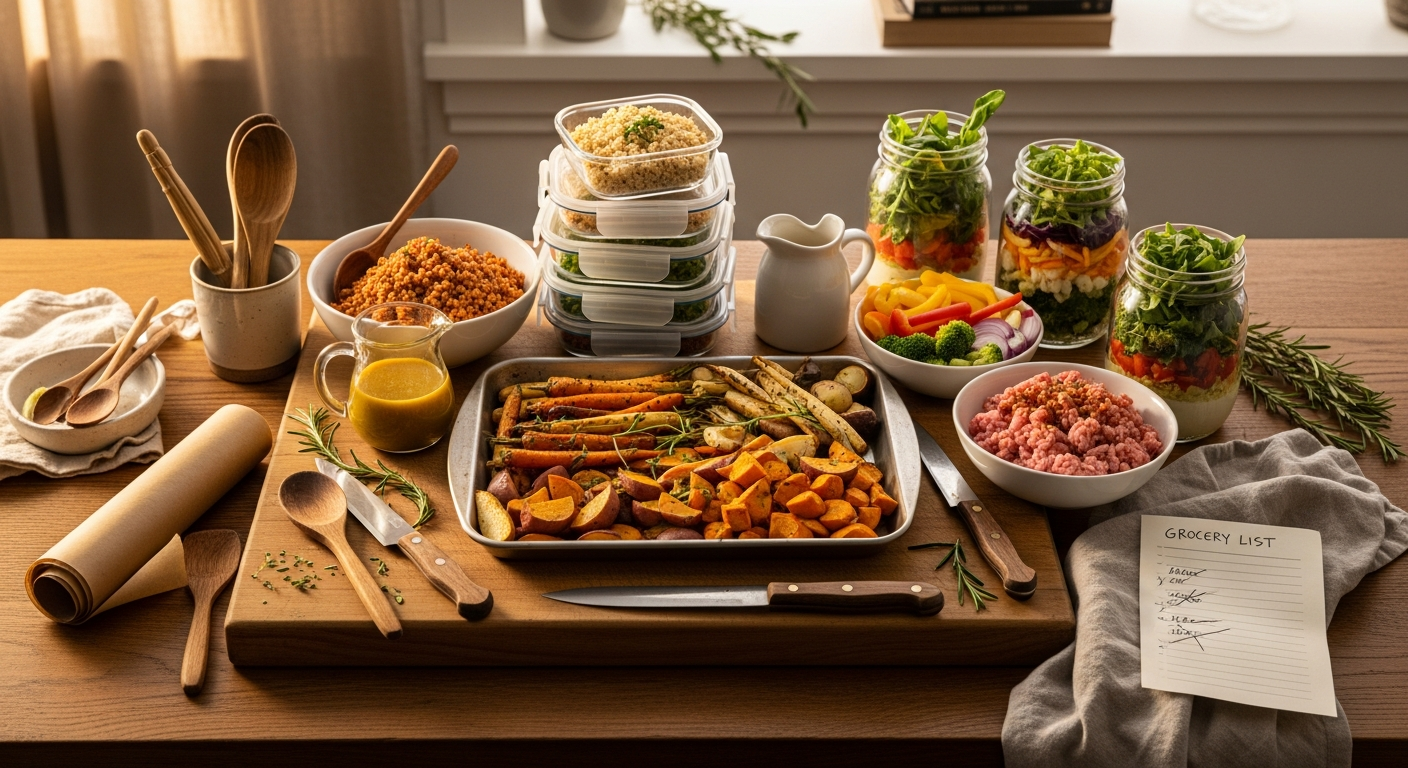
The Ultimate Guide to Budget-Friendly Family Meal Prep: Eat Well and Save More in 2026
In an era where grocery receipts seem to grow longer while our free time grows shorter, mastering the art of budget-friendly family meal prep isn’t just a kitchen skill—it’s a financial superpower. For many home cooks, the challenge of 2026 lies in balancing nutritional needs with a tightening household budget. We all want to serve our families vibrant, delicious, and healthy meals, but the “what’s for dinner?” panic often leads to expensive last-minute takeout or processed convenience foods that drain our wallets.
Meal prepping is the strategic solution to this modern dilemma. By dedicating a few hours each week to planning and preparing, you can slash your food waste, optimize your grocery spend, and reclaim your evenings. This guide will walk you through the essential strategies for low-cost batch cooking, smart shopping, and creative “master-base” techniques that turn simple ingredients into gourmet family feasts. Let’s dive into how you can transform your kitchen into a high-efficiency, low-cost culinary hub.
—
1. The Economics of Meal Prep: Why Planning Saves Thousands
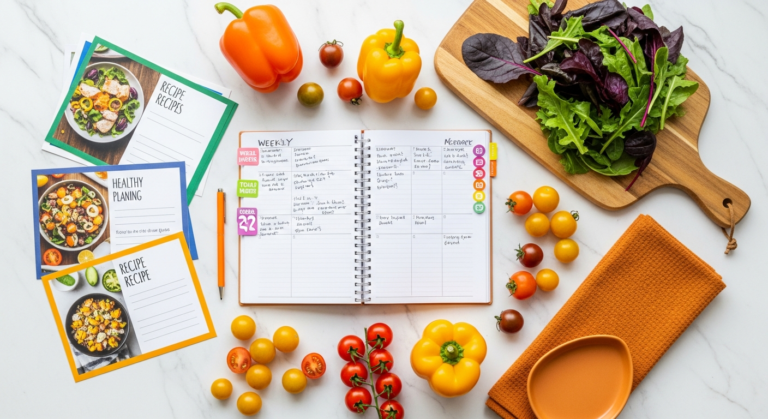
To understand why meal prep is the ultimate budget tool, we have to look at where our money goes when we *don’t* prep. Most food spending leaks occur in three areas: impulse buys at the supermarket, food spoilage at the back of the fridge, and the “convenience tax” paid for pre-cut veggies or delivery apps.
When you commit to a meal prep routine, you move from reactive cooking to proactive cooking. Research shows that families who plan their meals save an average of 20-30% on their monthly grocery bills. This happens because you are buying with a specific purpose. Instead of wandering the aisles and grabbing what looks good, you are purchasing ingredients that will be used in multiple ways.
Furthermore, meal prep significantly reduces food waste. In 2026, sustainability is as much about the wallet as it is about the planet. When you prep, you use that entire head of celery across three different recipes—soups, salads, and snacks—rather than letting half of it turn into a science project in your crisper drawer. Every wilted spinach leaf thrown away is literally money in the trash. Meal prep ensures that every dollar you spend ends up on a plate.
2. Smart Shopping Strategies for the Modern Home Cook
In 2026, savvy shoppers are using a mix of high-tech tools and old-school wisdom to keep costs down. The foundation of a budget-friendly meal prep is “pantry-first” shopping. Before you even look at a circular or open a shopping app, audit your kitchen. What grains, spices, and canned goods do you already have? Build your week’s menu around those items to minimize new purchases.
**Shop Seasonally and Locally**
Produce is cheapest and most flavorful when it’s in season. In the winter, lean heavily on root vegetables like carrots, potatoes, and beets. In the summer, embrace the glut of zucchini, tomatoes, and stone fruits. If a specific vegetable is out of season and expensive, head to the freezer aisle. Frozen vegetables are often frozen at peak ripeness and offer the same nutritional value as fresh, usually at a fraction of the cost per ounce.
**The Power of Unit Pricing**
Don’t be fooled by “sale” stickers. Always look at the unit price (the price per ounce or per gram) on the shelf tag. Often, the larger “family size” package is cheaper, but not always. In 2026, many store brands have reached parity with name brands in terms of quality, so don’t be afraid to swap out your usual labels for the generic version to save 15-40% on staples like flour, oil, and canned beans.
**Bulk Buying with Intention**
Buying in bulk is only a saving if you actually use the product. Focus your bulk purchases on “forever staples”: dry beans, lentils, brown rice, oats, and pasta. These are the building blocks of hundreds of budget-friendly meals and have a shelf life that protects your investment.
3. The “Master Base” Method: One Protein, Three Ways
One of the biggest complaints about meal prep is the “boredom factor”—eating the exact same chicken and broccoli five days in a row. The “Master Base” method solves this by preparing a large quantity of a versatile base ingredient and then flavoring it differently throughout the week.
**Example: The Slow-Cooker Shredded Chicken Base**
On Sunday, cook 3-4 pounds of chicken breast or thighs in a slow cooker with just a little broth, salt, and pepper. Once shredded, divide it into three portions:
* **Night 1 (Mexican):** Toss one portion with cumin, chili powder, and lime. Serve as tacos or in a burrito bowl with beans and rice.
* **Night 2 (Italian):** Mix the second portion with marinara sauce and serve over whole-wheat pasta or stuffed into bell peppers.
* **Night 3 (Asian-Style):** Sauté the final portion with soy sauce, ginger, and garlic, then toss with frozen stir-fry veggies and serve over rice noodles.
By keeping the initial seasoning neutral, you maintain the flexibility to change the “vibe” of the meal in under 10 minutes. This same principle works beautifully with ground turkey, braised beef, or even a giant pot of seasoned black beans for a vegetarian-friendly household.
4. Essential Budget Staples for Under $20
You don’t need a pantry full of expensive superfoods to eat well. Some of the most nutrient-dense foods on the planet are also the cheapest. If you keep these five items stocked, you can always whip up a healthy, prepped meal:
1. **Lentils and Dried Beans:** They are the undisputed kings of budget protein. A bag of dried lentils costs pennies per serving and provides massive amounts of fiber and protein. Use them in stews, shepherd’s pie, or as a meat extender in tacos.
2. **Eggs:** Even with fluctuating prices, eggs remain one of the most affordable high-quality protein sources. Hard-boiled eggs are a perfect prep-ahead snack or salad topper, and a “breakfast for dinner” frittata is a great way to use up leftover veggies.
3. **Oats:** Beyond breakfast, oats can be ground into flour for healthy muffins or used as a binder in meatloaf and veggie burgers.
4. **Canned Tomatoes:** A versatile base for soups, curries, and sauces. They often contain more lycopene than fresh tomatoes and are available year-round for a low price.
5. **Frozen Spinach:** A massive bag of frozen spinach can be snuck into smoothies, pastas, and eggs, providing a green boost for a very low cost.
By mastering recipes that highlight these “humble” ingredients, you move away from the expensive centerpiece-meat model of dining and toward a more balanced, sustainable way of eating.
5. Time-Saving Hacks to Prevent Prep Burnout
The biggest hurdle to meal prepping isn’t usually the cooking—it’s the time commitment. If you spend six hours in the kitchen every Sunday, you’ll likely quit after two weeks. The goal for 2026 is “Micro-Prepping.”
**The “Wash and Chop” Strategy**
If you can’t commit to cooking full meals, simply commit to processing your produce. When you get home from the store, wash and chop your onions, peppers, and carrots. Having these ready to go in containers reduces the “friction” of cooking during the week. Most people find that if the veggies are already cut, they are 80% more likely to actually cook a meal instead of ordering out.
**The “Double-Down” Rule**
Whenever you are cooking a meal that freezes well—like chili, lasagna, or soup—double the recipe. It takes almost no extra time to chop two onions instead of one. Eat half for dinner and freeze the other half. Within a month, you’ll have a “freezer library” of homemade convenience meals for those nights when you truly have zero energy to cook.
**Involve the Family**
Meal prep shouldn’t be a solo burden. Assign tasks to children, such as snapping green beans or portioning out snacks into reusable containers. Not only does this speed up the process, but it also teaches kids essential life skills and makes them more likely to eat the food they helped prepare.
6. A Sample 5-Day Budget Meal Plan
To put these theories into practice, here is a sample structure for a family of four that focuses on high-impact, low-cost ingredients.
* **Monday:** Red Lentil Dahl with Rice. (Total cost: Approx. $5). Lentils, coconut milk, and spices create a filling, hearty meal. Prep the rice in a large batch to use later in the week.
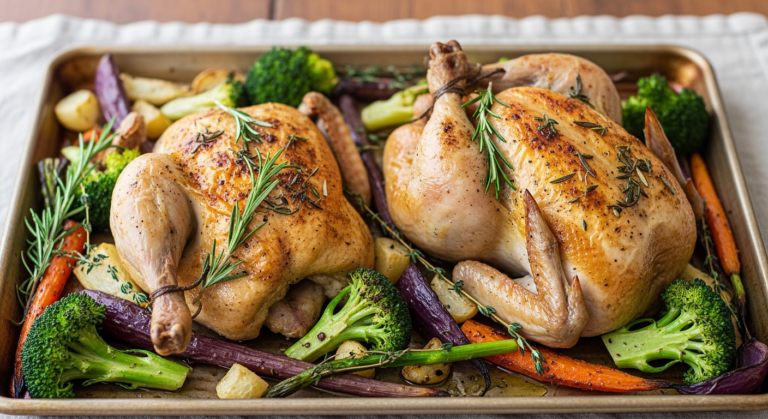
* **Tuesday:** Sheet Pan Chicken Thighs and Roasted Root Vegetables. (Total cost: Approx. $12). Use bone-in, skin-on thighs for the best price.
* **Wednesday:** “Kitchen Sink” Fried Rice. (Total cost: Approx. $4). Use the leftover rice from Monday and any wilting veggies in the fridge. Add scrambled eggs for protein.
* **Thursday:** Black Bean and Sweet Potato Quesadillas. (Total cost: Approx. $7). Sweet potatoes provide a creamy texture that reduces the need for expensive cheese.
* **Friday:** Pasta Primavera with Frozen Veggies and Garlic Butter. (Total cost: Approx. $6). A simple, elegant way to clear out the freezer before the next shopping trip.
**Total Weekly Dinner Cost:** Approximately $34 for a family of four. By focusing on grains, legumes, and seasonal produce, you keep the “per-plate” cost incredibly low without sacrificing flavor.
—
FAQ: Frequently Asked Questions
**Q1: How do I keep prepped food from getting soggy or tasting “old”?**
A: Storage is key. Keep your components separate when possible. For example, store your salad greens with a dry paper towel to absorb moisture, and keep the dressing in a separate small jar. Don’t add sauces to grains or pasta until you are ready to reheat them, as they will absorb the liquid and become mushy.
**Q2: I have picky eaters. How can I meal prep for them without making separate meals?**
A: Use the “Deconstructed Meal” approach. If you’re prepping a Mediterranean bowl, keep the olives, feta, cucumbers, and chicken in separate containers. Everyone can assemble their own plate according to their preferences. This empowers kids and saves you from being a short-order cook.
**Q3: Is glass or plastic better for meal prep storage in 2026?**
A: Glass is generally superior for longevity and health, as it doesn’t leach chemicals when heated and doesn’t hold onto food odors or stains. However, high-quality BPA-free silicone bags and lightweight recycled plastic containers are great for snacks and lunches on the go.
**Q4: How long does prepped food actually stay safe to eat?**
A: Most cooked proteins and vegetables are safe and delicious for 3 to 4 days when stored in an airtight container in a refrigerator set to 40°F (4°C) or below. For anything longer than that, utilize your freezer.
**Q5: Can I meal prep if I have a very small kitchen?**
A: Absolutely. Focus on “one-pot” or “sheet-pan” prep. You don’t need every gadget; a good chef’s knife, one large sheet pan, and a single large pot are enough to prep 80% of the recipes mentioned here. Clean as you go to manage the limited counter space.
—
Conclusion: Emphasizing Progress Over Perfection
Transitioning to a budget-friendly family meal prep routine doesn’t happen overnight. It is a journey of small, consistent changes. You don’t have to prep twenty-one meals this Sunday. Start by prepping just your lunches or just two dinner bases.
As we navigate the culinary landscape of 2026, the goal is to create a sustainable system that reduces stress and honors your financial goals. By focusing on versatile staples, smart shopping, and the “Master Base” method, you can provide your family with high-quality, delicious meals that don’t break the bank. Remember, every meal you prep at home is a win for your health, your schedule, and your savings account. Happy prepping!