


























Effective Home Workout Routines for Busy Women: Stay Fit, Feel Great
By Jane Doe | Published: | Last Updated:
Why Home Workouts are a Game-Changer for Busy Women
The allure of the gym can quickly fade when faced with a packed calendar, childcare logistics, or simply the mental energy required to get there. This is precisely where home workout routines for women shine, offering unparalleled advantages that cater directly to the demands of a busy lifestyle. Beyond convenience, they provide a host of benefits that contribute to long-term adherence and overall well-being. The World Health Organization emphasizes the importance of regular physical activity for overall health.
- Unmatched Convenience and Time-Saving: The most obvious benefit is the elimination of travel time. A 30-minute workout at home truly means 30 minutes of exercise, not an hour and a half factoring in commute, changing, and showering. This precious time saving is invaluable for women juggling multiple responsibilities. Imagine fitting in a quick session during a child’s naptime, before the kids wake up, or during a lunch break – possibilities that are often impractical with a gym visit.
- Flexibility and Autonomy: Home workouts offer complete control over your schedule. No more rushing to make a class or dealing with crowded equipment. You can choose when you work out, for how long, and what type of exercise you do. This adaptability is crucial for busy women whose schedules can change at a moment’s notice. Moreover, you can pause, rewind, or modify exercises as needed without feeling self-conscious.
- Cost-Effectiveness: Gym memberships, personal trainers, and fitness class packages can quickly add up, becoming a significant monthly expense. While some initial investment in basic equipment might be beneficial for home workout routines for women, the long-term savings are substantial. Many high-quality workout programs and resources are available online for free or at a fraction of the cost of traditional gym services.
- Privacy and Comfort: For many, the gym environment can be intimidating. Working out at home provides a private, judgment-free space where you can focus entirely on your body and your movements. You can wear what you want, listen to your own music (or enjoy silence), and experiment with new exercises without feeling observed. This comfort can significantly boost confidence and and enjoyment in your fitness journey.
- Consistency and Sustainability: The easier it is to start a workout, the more likely you are to do it. By removing common barriers like travel, cost, and scheduling conflicts, home workouts significantly increase the likelihood of consistent exercise. This consistency is the cornerstone of achieving and maintaining fitness results, making home workout routines a sustainable long-term solution.
Embracing home workouts isn’t about settling for less; it’s about optimizing your fitness journey to fit your life, making health and well-being an accessible and enjoyable part of your everyday routine.
Building Your Foundation: Essential Equipment and Space for Home Workout Routines for Women
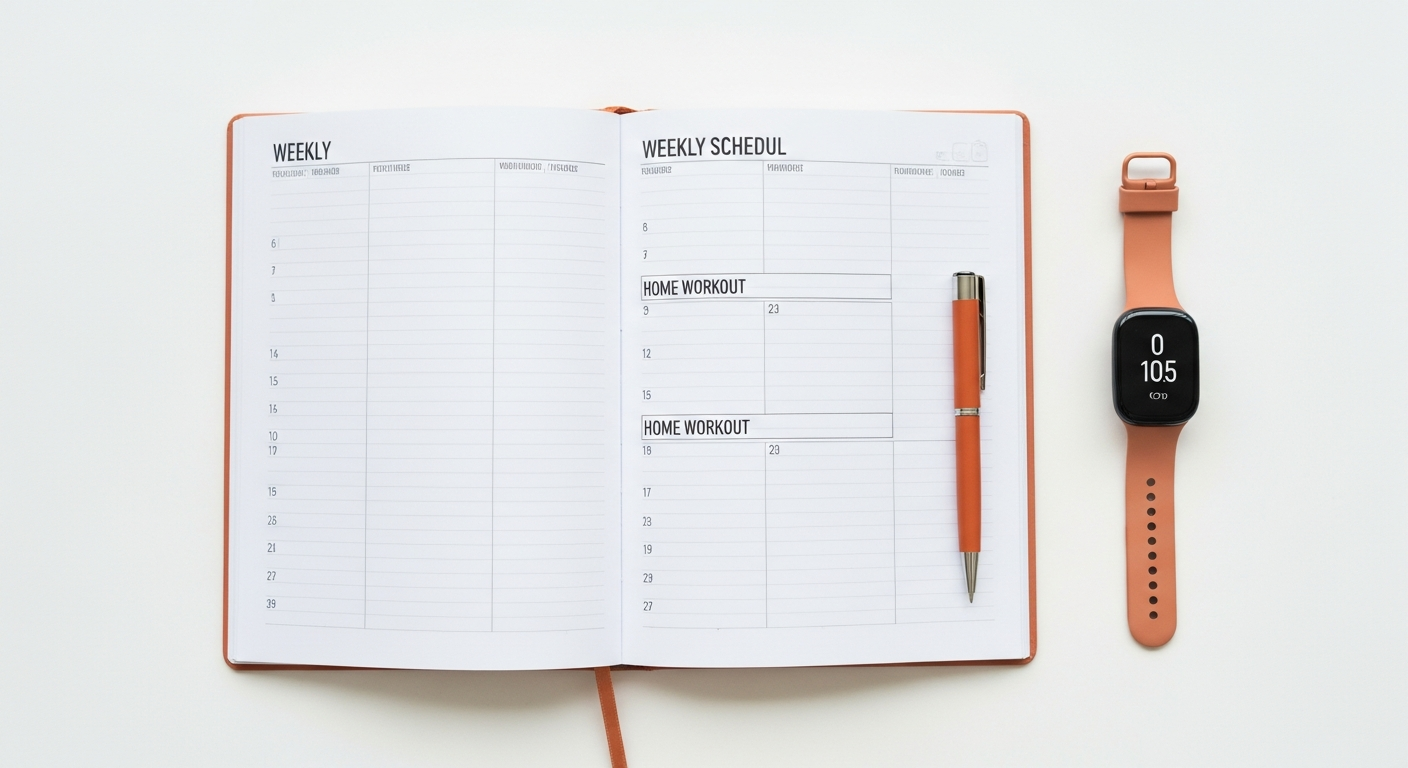
One of the biggest misconceptions about effective home workout routines for women is the need for an elaborate home gym. The truth is, you can achieve remarkable results with minimal equipment and a designated, albeit small, space. The key is to be strategic and resourceful.
Creating Your Dedicated Workout Nook
While a sprawling basement gym is a dream for some, it’s not a prerequisite. Even a corner of a living room, a bedroom, or a quiet space in a den can serve as your personal fitness sanctuary. The goal is to create an environment that minimizes distractions and maximizes your focus.
- Clear the Clutter: A tidy space promotes a clear mind. Before each workout, ensure your area is free from toys, laundry, or anything that could obstruct your movement or cause you to trip.
- Adequate Space: You generally need enough room to lie down comfortably, extend your arms and legs fully in all directions, and safely jump or step without hitting furniture. A space of approximately 6×6 feet (about 1.8×1.8 meters) is often sufficient for most bodyweight and resistance band exercises.
- Ventilation and Lighting: Ensure your space is well-ventilated to keep you cool and has ample lighting to boost your mood and help you see your form clearly. Natural light is ideal if available.
- Inspirational Touches: Personalize your space. A motivational quote, a favorite plant, or a mirror to check your form can make the area more inviting and keep you inspired.
Must-Have Minimalist Equipment
You don’t need to break the bank to equip your home for effective workouts. Focus on versatile items that can be used for a wide range of exercises. Here’s a breakdown of smart investments:
- A Quality Yoga Mat (Approx. $20-$50): Essential for floor exercises, yoga, Pilates, and cushioning during high-impact movements. Look for one that is non-slip and offers good support.
- Resistance Bands (Loop & Long Tube, Approx. $15-$40 for a set): These are incredibly versatile. Loop bands (mini bands) are perfect for glute activation, leg workouts, and adding resistance to bodyweight squats. Long tube bands with handles can mimic cable machine exercises, providing resistance for upper body, lower body, and core work. They come in various resistances, allowing for progressive overload.
- Dumbbells (Approx. $30-$150, depending on weight/type): Start with a light to medium set (e.g., 5-15 lbs or 2-7 kg per hand) suitable for your strength level. Adjustable dumbbells are a fantastic space-saving and cost-effective option, allowing you to quickly change weights and progress without buying multiple sets.
- Jump Rope (Approx. $10-$25): An excellent and inexpensive tool for cardiovascular fitness. Just 10 minutes of jumping rope can be as effective as 30 minutes of jogging, making it perfect for quick cardio bursts.
- Optional Additions for Progression:
- Kettlebell (Approx. $20-$80): Great for dynamic movements, strength training, and building power.
- Exercise Ball (Stability Ball, Approx. $20-$40): Enhances core strength, balance, and can be used for various strength exercises.
- Workout Bench or Sturdy Chair/Box: Useful for step-ups, box squats, triceps dips, and elevated push-ups. Ensure it is stable and can support your weight.
Remember, the most important “equipment” you have is your own body. Bodyweight exercises form the backbone of many highly effective home workout routines for women, building foundational strength, endurance, and flexibility. Start with what you have, and gradually add equipment as your fitness level and interest grow.
Crafting Your Perfect Home Workout Routine: Principles and Structure
Designing effective home workout routines for women requires more than just picking random exercises; it demands a thoughtful approach to structure and progression. A well-rounded routine should incorporate various fitness components to ensure holistic development, prevent plateaus, and keep motivation high.
Key Principles of Effective Workout Design
- Consistency Over Intensity (Initially): The most effective workout is the one you actually do. Prioritize building a consistent habit, even if it means starting with shorter, less intense sessions. Aim for 3-5 sessions per week.
- Progressive Overload: To continue seeing results, you must gradually challenge your body more over time. This can mean increasing:
- Resistance: Heavier dumbbells, stronger resistance bands.
- Repetitions (Reps): Doing more reps for each set.
- Sets: Performing more sets of an exercise.
- Time Under Tension: Slowing down the movement to increase muscle engagement.
- Duration: Extending your workout time.
- Difficulty: Moving from kneeling push-ups to full push-ups, or adding a jump to a squat.
- Variety: Regularly changing your exercises, workout type, or structure prevents boredom and ensures you’re challenging your muscles in new ways. This doesn’t mean a complete overhaul every week, but perhaps rotating routines every 4-6 weeks.
- Listen to Your Body: Rest and recovery are just as crucial as the workout itself. Don’t push through sharp pain, and allow adequate rest days for muscle repair and growth.
- Proper Form: Always prioritize correct form over lifting heavy or doing more reps. Poor form can lead to injuries and negate the effectiveness of the exercise. Utilize mirrors or record yourself to check your technique.
Structuring Your Home Workout Routine
A complete workout session, regardless of its primary focus, should ideally include three main phases:
1. Warm-up (5-10 minutes)
The warm-up prepares your body for exercise by increasing blood flow to muscles, improving joint mobility, and gradually elevating your heart rate. This reduces the risk of injury and enhances performance.
- Light Cardio: Marching in place, jumping jacks (low impact if needed), high knees, butt kicks.
- Dynamic Stretches: Arm circles, leg swings, torso twists, cat-cow stretches, walking lunges without weight.
2. Main Workout (20-45 minutes)
This is where you’ll focus on strength, cardio, or a combination. The structure will depend on your fitness goals and the type of routine you choose.
- Strength Training Focus: Typically involves 3-5 exercises targeting different muscle groups (e.g., squats, push-ups, lunges, planks, rows). Perform 2-4 sets of 8-15 repetitions for each exercise. Rest 30-60 seconds between sets.
- Cardio Focus: High-Intensity Interval Training (HIIT) or steady-state cardio.
- HIIT: Short bursts of intense exercise (e.g., 30-60 seconds of jumping jacks, burpees, mountain climbers) followed by brief recovery periods (e.g., 15-30 seconds of rest or low-intensity movement). Repeat for 15-25 minutes.
- Steady-State: Sustained moderate-intensity activity like jumping rope, dancing, or power walking in place for 20-40 minutes.
- Flexibility/Mobility Focus: Longer holds of static stretches or flowing movements like yoga or Pilates.
3. Cool-down (5-10 minutes)
The cool-down helps bring your heart rate down gradually, reduces muscle soreness, and improves flexibility. It’s often overlooked but crucial for recovery.
- Gentle Cardio: Slow walking in place, light marching.
- Static Stretches: Hold each stretch for 20-30 seconds, focusing on the muscles worked during your workout. Examples include hamstring stretches, quad stretches, triceps stretches, chest stretches.
Incorporating Different Workout Modalities
For a truly comprehensive approach to home workout routines for women, aim to include elements of:
- Strength Training: Builds muscle, boosts metabolism, improves bone density. Use bodyweight, dumbbells, or resistance bands.
- Cardiovascular Training: Enhances heart health, burns calories, improves stamina. Think jumping jacks, high knees, burpees, dancing, or jumping rope.
- Flexibility and Mobility: Increases range of motion, prevents injury, reduces stiffness. Incorporate yoga, Pilates, or dedicated stretching sessions.
A balanced weekly schedule might look like 2-3 strength days, 2 cardio days, and 1 flexibility day, with rest days interspersed. Listen to your body and adjust as needed to create a routine that feels challenging yet sustainable for your unique lifestyle.
Targeted Home Workout Routines for Women: From Beginner to Advanced
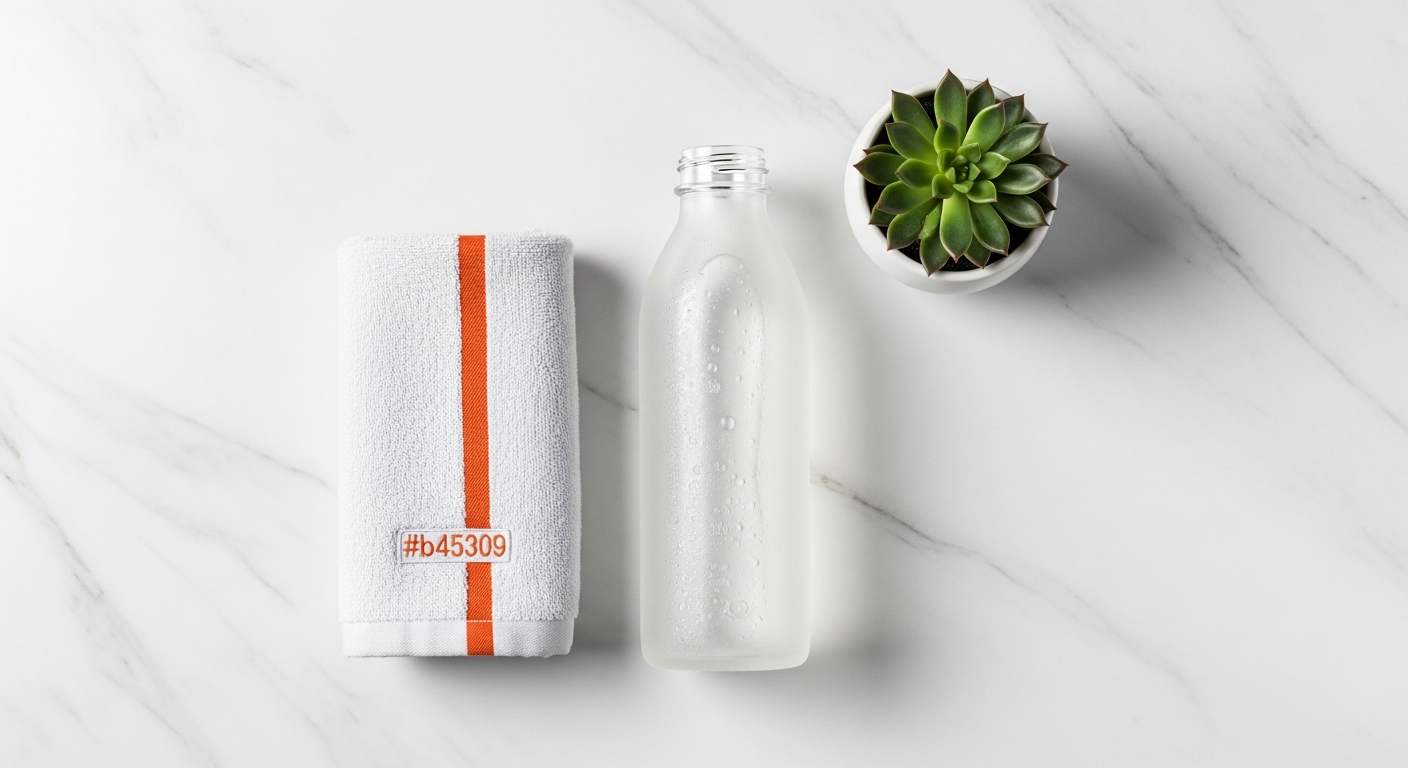
The beauty of home workout routines for women lies in their adaptability. Whether you’re just starting your fitness journey or looking to intensify your existing regimen, there’s a routine that fits your level and goals. Here, we outline sample routines, emphasizing progression.
Beginner-Friendly Full-Body Routine (20-30 minutes, 3x/week)
This routine focuses on foundational movements, building strength and endurance safely. Prioritize form over speed or reps.
- Warm-up (5 minutes): Light marching in place, arm circles, leg swings.
- Workout (20-25 minutes): Perform 2-3 sets of 10-12 repetitions for each exercise. Rest 30-45 seconds between sets.
- Bodyweight Squats: Focus on sitting back as if into a chair.
- Kneeling Push-ups: Keep core tight, lower chest towards the floor.
- Glute Bridges: Lie on back, knees bent, lift hips off floor.
- Plank: Hold for 20-30 seconds, maintaining a straight line from head to heels.
- Bird-Dog: On hands and knees, extend opposite arm and leg.
- Standing Dumbbell Rows (optional, with light dumbbells): Hinge at hips, pull weights to chest.
- Cool-down (5 minutes): Quad stretch, hamstring stretch, child’s pose.
Progression Tip: Increase reps to 15, then sets to 3-4. Once comfortable, add light dumbbells to squats and glute bridges, or try full push-ups (even against a wall initially).
Intermediate Full-Body & Split Routines (30-45 minutes, 3-4x/week)
For those ready to increase intensity and variety, incorporating dumbbells, resistance bands, and more challenging movements is key. You can opt for a full-body routine or split your days (e.g., upper body/lower body/full body or push/pull/legs).
Option 1: Intermediate Full-Body HIIT (High-Intensity Interval Training)
HIIT is excellent for cardiovascular health and calorie burn in a shorter time. Perform each exercise for 40 seconds, followed by 20 seconds of rest. Complete 3-4 rounds, resting 1-2 minutes between rounds.
- Warm-up (5 minutes): Dynamic stretches, high knees, butt kicks.
- Workout (20-30 minutes):
- Jump Squats: Explosive version of squats.
- Push-ups (full or modified): From knees or toes.
- Walking Lunges with Dumbbells: Hold dumbbells at sides.
- Mountain Climbers: Plank position, bring knees to chest.
- Dumbbell Bicep Curls & Overhead Press Combo: Flow from curl to press.
- Burpees (without push-up initially): Full body movement.
- Cool-down (5 minutes): Static stretches.
Progression Tip: Increase work interval to 50 seconds, decrease rest to 10 seconds. Add push-ups to burpees. Increase dumbbell weight.
Option 2: Intermediate Strength with Resistance Bands & Dumbbells
This routine focuses on building strength with added resistance. Perform 3 sets of 10-15 reps, resting 45-60 seconds between sets.
- Warm-up (5 minutes): Dynamic stretches.
- Workout (30-40 minutes):
- Goblet Squats (with dumbbell/kettlebell): Hold weight at chest.
- Dumbbell Romanian Deadlifts (RDLs): Hinge at hips, keep back straight.
- Resistance Band Lateral Walks: Band around ankles/thighs, step side-to-side.
- Dumbbell Chest Press (on floor or bench): Lie on back, press weights up.
- Bent-Over Dumbbell Rows: Hinge at hips, pull weights to chest.
- Overhead Triceps Extensions (with one dumbbell): Extend weight over head.
- Plank with Shoulder Taps: Hold plank, tap opposite shoulder.
- Cool-down (5 minutes): Static stretches.
Progression Tip: Increase dumbbell weight, use stronger resistance bands, slow down the eccentric (lowering) phase of movements.
Advanced Home Warrior Challenges (45-60 minutes, 4-5x/week)
For experienced individuals, these routines introduce more complex movements, heavier weights, and longer durations. Consider combining elements of strength, HIIT, and functional training.
Advanced Full-Body Strength & Power
Perform 3-4 sets of 8-12 reps for strength, 6-8 reps for power. Rest 60-90 seconds between sets.
- Warm-up (10 minutes): Dynamic stretches, light cardio, mobility drills.
- Workout (35-45 minutes):
- Bulgarian Split Squats (with dumbbells): Elevated back foot, challenging balance and leg strength.
- Plyometric Push-ups (on knees or toes): Explode up from the bottom.
- Single-Leg RDLs (with dumbbell): Advanced balance and hamstring work.
- Renegade Rows (with dumbbells): Plank position, row one dumbbell at a time (challenges core stability).
- Thrusters (dumbbell or kettlebell): Squat directly into an overhead press.
- Weighted Step-ups (on sturdy chair/box): Hold dumbbells.
- Ab Wheel Rollouts (or plank variations like commando planks): Intense core work.
- Cool-down (10 minutes): Foam rolling, deep static stretches.
Progression Tip: Increase weight, increase sets, add a plyometric element (e.g., jump onto box after step-up), decrease rest time while maintaining reps.
Remember to always listen to your body and modify exercises as needed. The most effective home workout routines for women are those that are consistent, progressively challenging, and enjoyable, ensuring you stay fit and feel great for years to come.
Maximizing Results and Staying Motivated with Your Home Workout Routines for Women
Starting home workout routines for women is one thing; sustaining them and seeing tangible results is another. It requires a holistic approach that extends beyond the workout itself, embracing nutrition, recovery, and psychological strategies.
Fueling Your Body: Nutrition and Hydration
Exercise is only one piece of the wellness puzzle. What you consume significantly impacts your energy levels, recovery, and overall progress.
- Balanced Macronutrients: Ensure your diet includes adequate protein for muscle repair and growth, complex carbohydrates for sustained energy, and healthy fats for hormone regulation and satiety. Aim for a plate that’s roughly 40% protein, 30% complex carbs, and 30% healthy fats.
- Prioritize Whole Foods: Focus on nutrient-dense, unprocessed foods like lean meats, fish, eggs, fruits, vegetables, whole grains, nuts, and seeds. These provide essential vitamins, minerals, and fiber.
- Strategic Hydration: Water is crucial for metabolic functions, nutrient transport, and regulating body temperature. Aim for at least 8 glasses (around 2 liters) daily, and more on workout days. Consider adding electrolytes if you’re sweating heavily during intense home workout routines for women.
- Pre and Post-Workout Nutrition:
- Pre-workout (1-2 hours before): A small snack with easily digestible carbs and a little protein (e.g., banana with a spoonful of peanut butter) can provide energy.
- Post-workout (within 60 minutes): A combination of protein and carbohydrates (e.g., Greek yogurt with berries, chicken and sweet potato, or a protein shake) helps with muscle recovery and glycogen replenishment.
The Power of Rest and Recovery
Muscles don’t grow during the workout; they grow during rest. Skimping on recovery is a common mistake that can lead to burnout, injury, and stalled progress.
- Adequate Sleep: Aim for 7-9 hours of quality sleep per night. Sleep is when your body repairs itself, consolidates memories, and balances hormones crucial for performance and weight management. Establish a consistent sleep schedule and create a calming bedtime routine. For more tips, explore our guide on improving sleep hygiene for better recovery.
- Active Recovery: On rest days, engage in light activities like walking, gentle yoga, or stretching. This helps increase blood flow, reduce muscle soreness, and improve flexibility without stressing your body further.
- Mindful Movement & Stretching: Incorporate static stretching, foam rolling, or a dedicated mobility session (10-15 minutes) a few times a week. This improves range of motion and alleviates muscle tightness.
Boosting Motivation and Consistency
Maintaining enthusiasm for your home workout routines for women over time is perhaps the biggest challenge. Here are strategies to keep you engaged:
- Set SMART Goals: Make your goals Specific, Measurable, Achievable, Relevant, and Time-bound. Instead of “I want to get fit,” try “I will complete 3 full-body home workouts per week for the next 8 weeks, aiming to do 15 squats without stopping.”
- Track Your Progress: Keep a workout journal or use a fitness app. Note down exercises, sets, reps, weights used, and how you felt. Seeing your strength improve or endurance grow is a huge motivator.
- Schedule Your Workouts: Treat your home workouts like non-negotiable appointments. Block out time in your calendar and stick to it. Consistency builds habit.
- Variety is the Spice of Life: Don’t let boredom set in. Explore different types of home workout routines for women – try a dance cardio video, a Pilates session, a new HIIT routine for beginners, or focus on a different muscle group. Many free resources (YouTube channels like PopSugar Fitness, FitnessBlender, or specialized apps) offer endless options.
- Find an Accountability Partner: Even if you’re working out at home, having a friend or family member who shares similar goals can provide encouragement and motivation. Share your progress, challenges, and celebrate successes together.
- Reward Yourself: Set up small, non-food rewards for reaching milestones (e.g., new workout gear, a relaxing bath, a new book).
- Create a Positive Environment: As discussed earlier, a dedicated, inspiring workout space can make a big difference. Put on your favorite upbeat music, wear comfortable workout clothes, and remind yourself why you started.
- Practice Self-Compassion: There will be days you miss a workout or feel unmotivated. Don’t let one missed session derail your entire journey. Acknowledge it, learn from it, and get back on track with kindness to yourself.
By integrating these principles into your lifestyle, your home workout routines for women will become not just a habit, but a joyful and sustainable part of your journey towards a healthier, happier you.
Overcoming Common Hurdles: Making Your Home Workouts Sustainable
Even with the best intentions, busy women often face unique challenges when attempting to maintain home workout routines for women. Recognizing these common hurdles and having strategies to overcome them is crucial for long-term success and sustainability.
The Time Crunch: Finding Minutes in a Packed Day
This is perhaps the most significant barrier. When every minute is accounted for, finding a solid block of time for exercise can feel impossible.
- Strategy 1: Embrace Micro-Workouts: Instead of aiming for one long session, break your workout into shorter segments. Three 10-minute bursts throughout the day (e.g., squats and lunges in the morning, planks and push-ups at lunch, some stretching in the evening) can be just as effective as one 30-minute session. Research suggests even short, intense bouts of activity add up.
- Strategy 2: The “First Thing” Rule: For many, the early morning is the only uninterrupted time. Lay out your workout clothes the night before, and schedule your workout before other demands can hijack your day. Even 20 minutes before anyone else wakes up can set a positive tone.
- Strategy 3: Link with Existing Habits: “Habit stacking” involves pairing a new habit (workout) with an existing one. For instance, “After I make my first cup of coffee, I will do 15 minutes of cardio.” Or “After dinner, before watching TV, I will do 20 minutes of strength training.”
Lack of Motivation and Consistency
The initial excitement can wane, especially without the external accountability of a gym or class.
- Strategy 1: Create a Visual Cue: Keep your workout clothes or a resistance band visible. This simple visual reminder can nudge you into action.
- Strategy 2: Use a Reward System: Implement a small, non-food reward for consistent effort. After a week of hitting your goal, treat yourself to a new book, a relaxing bath, or a favorite podcast.
- Strategy 3: Vary Your Routines: Prevent boredom by regularly introducing new exercises, following different online instructors, or trying a new workout style (e.g., Pilates one day, HIIT another). Rock Salt Plum will offer a variety of specific home workout routines for women to keep you engaged.
- Strategy 4: Connect to Your “Why”: On days when motivation dips, remind yourself of your deeper reasons for exercising – improved energy, better sleep, stress reduction, being a strong role model for your children, or simply feeling great in your own skin.
Limited Space and Equipment
Not everyone has a dedicated home gym, and storage can be an issue.
- Strategy 1: Maximize Multi-Functional Tools: As discussed earlier, resistance bands and adjustable dumbbells are kings for small spaces. Bodyweight exercises require absolutely no equipment and can be incredibly challenging.
- Strategy 2: Utilize Vertical Space and Hidden Storage: Store yoga mats rolled up behind a door, resistance bands in a small basket, and dumbbells under a bed or in a closet. Small, stackable shelves can also organize minimal equipment.
- Strategy 3: Get Creative with Furniture: A sturdy chair can serve as a bench for step-ups, triceps dips, or elevated push-ups. Just ensure it’s stable and won’t slip.
Distractions and Interruptions
Kids, pets, spouses, phone notifications – home life is full of potential disruptions.
- Strategy 1: Set Boundaries: Communicate your workout time to your family. If possible, put a “Do Not Disturb” sign on your workout space door.
- Strategy 2: Involve the Family (if appropriate): For younger children, a “family fitness” time where they mimic your movements can turn a distraction into an opportunity for bonding and teaching healthy habits.
- Strategy 3: Embrace the Unexpected: If interrupted, take a quick break, address the issue, and then resume. Don’t let a small pause completely derail your session. Flexibility is key when working out at home.
- Strategy 4: Turn Off Notifications: Put your phone on airplane mode or silent during your workout to minimize digital distractions.
By proactively addressing these common challenges, you can build resilience and ensure your journey with home workout routines for women is not just effective, but sustainable and deeply rewarding, helping you to stay fit and feel great every single day.
Conclusion: Your Empowered Journey to Fitness at Home
You now possess a comprehensive guide to mastering effective home workout routines for women – a powerful tool to integrate fitness seamlessly into your busy life. We’ve explored the undeniable benefits of at-home exercise, from time-saving convenience to cost-effectiveness and unparalleled privacy. We’ve delved into building your foundational space and acquiring essential, minimalist equipment, proving that you don’t need an elaborate gym to achieve significant results.
From crafting structured routines that incorporate warm-ups, main workouts, and cool-downs, to exploring beginner-friendly, intermediate, and advanced options, you have the blueprints to tailor a program that evolves with your fitness journey. Beyond the movements, we’ve highlighted the crucial role of nutrition, hydration, and rest, alongside invaluable strategies for boosting motivation and overcoming common hurdles like time constraints and distractions.
Rock Salt Plum believes that true well-being is holistic and accessible. Embracing home workout routines for women isn’t just about physical strength; it’s about reclaiming your time, empowering your choices, and investing in your mental and emotional health. It’s about finding joy in movement and cultivating a body that feels strong, capable, and vibrant – all from the comfort and convenience of your own home.
Your next step: Choose one of the sample routines, gather your minimal equipment, and commit to just 20 minutes, three times this week. Start small, stay consistent, and watch as these powerful habits transform not just your body, but your entire lifestyle. You are capable, you are strong, and your journey to feeling great starts now. Let’s get moving!
Frequently Asked Questions