














The Ultimate Guide to Recipes & Meal Planning for a Balanced Lifestyle
Published: | Last Updated: | Published by RockSaltPlum
In the hustle and bustle of modern life, the quest for a balanced lifestyle often feels like an elusive dream. We juggle careers, family, personal growth, and self-care, leaving little bandwidth for what should be a nourishing cornerstone of our day: mindful eating. The daily dilemma of “what’s for dinner?” can trigger stress, lead to last-minute unhealthy choices, and chip away at both our wellness goals and our budget. But what if we told you there’s a transformative solution that simplifies your culinary life, elevates your well-being, and empowers you to reclaim your time and peace of mind? This comprehensive guide will unlock the secrets to mastering recipes and meal planning, turning kitchen chaos into culinary confidence and enabling you to cultivate a truly balanced, joyful existence, one delicious meal at a time.
The Transformative Power of Recipes and Meal Planning
Imagine a week where you never once wonder what you’ll cook for dinner, where your grocery list is meticulously prepared, and where healthy, delicious meals come together with ease. This isn’t a fantasy; it’s the reality that embracing strategic recipes and meal planning can create. For women navigating the complexities of home and lifestyle, this practice is more than just about food; it’s about holistic well-being.
At its core, meal planning is a strategic framework for deciding what you and your family will eat over a specific period, typically a week. It involves selecting recipes, creating a grocery list based on those recipes, and often, some level of advanced food preparation. The benefits extend far beyond the kitchen, touching every facet of a balanced lifestyle:
- Enhanced Nutritional Intake: When you plan your meals, you consciously choose ingredients that support your healthy eating goals. This often means incorporating a wider variety of fruits, vegetables, lean proteins, and whole grains, reducing reliance on processed foods, and ensuring balanced nutrition throughout the week. For example, a planned week might include a fiber-rich lentil soup, omega-3 packed salmon with roasted vegetables, and a lean chicken stir-fry, all designed to meet specific dietary needs.
- Significant Time Savings: The daily decision fatigue of meal preparation vanishes. Instead of spending precious evening hours pondering, shopping, and improvising, you’re simply executing a pre-determined plan. Batch cooking ingredients or entire meals on one day saves hours during the week, freeing up time for exercise, hobbies, or simply relaxing with loved ones.
- Reduced Food Waste: Impulse grocery shopping and forgotten ingredients are major contributors to food waste. With a plan, you buy only what you need for your chosen recipes, reducing spoilage and ensuring every ingredient serves a purpose. A study by the Natural Resources Defense Council found that the average American household wastes 31.9% of food purchased, amounting to significant financial loss and environmental impact – a figure that meticulous meal planning can dramatically lower.
- Financial Savings: Eating out, impulse buys, and wasted groceries add up quickly. Meal planning helps you stick to a budget by buying only essential items, leveraging sales, and minimizing expensive last-minute takeout orders. Many families report saving hundreds of dollars a month by consistently planning their meals and snacks.
- Stress Reduction: The mental load of daily meal decisions can be surprisingly heavy. By front-loading the decision-making process, you free up mental space and reduce anxiety. Knowing exactly what’s for dinner provides a sense of control and calm, contributing to overall mental well-being.
Ultimately, embracing recipes and meal planning is an investment in yourself, your health, and your peace of mind. It’s a foundational habit that supports a truly balanced and fulfilling life.
Demystifying Recipe Selection: Finding Your Culinary North Star
The internet is a vast ocean of culinary inspiration, from vibrant food blogs and Instagram feeds to classic cookbooks and family recipe boxes. The sheer volume can be overwhelming, making it difficult to pinpoint recipes that truly serve your lifestyle. The key to successful recipe selection is to approach it strategically, understanding what makes a recipe a good fit for you and your family.
Here’s how to navigate the world of recipes with confidence:
Sources of Inspiration for Recipes:
- Food Blogs & Websites: Sites like Minimalist Baker, Half Baked Harvest, Budget Bytes, and EatingWell offer a plethora of recipes, often with stunning photography and helpful tips. Focus on those that align with your dietary preferences (e.g., vegetarian, gluten-free, quick meals).
- Cookbooks: From foundational culinary guides to niche diet-specific books, cookbooks offer curated collections of recipes. Libraries are excellent resources for trying out new authors before investing in a purchase.
- Family & Friends: Don’t underestimate the power of tried-and-true family recipes or recommendations from friends. These often come with personal anecdotes and the assurance of being delicious.
- Meal Kit Services: Even if you don’t subscribe, browsing the menus of services like Blue Apron or HelloFresh can offer inspiration for flavor combinations and cooking techniques.
- Pinterest & Instagram: Visual platforms are fantastic for discovering new dishes, but always click through to ensure the recipe itself is well-written and reliable.
Criteria for Choosing the Right Recipes:
- Dietary Needs & Preferences: This is paramount. Are you cooking for allergies (nuts, dairy, gluten)? Specific diets (vegan, keto, low-carb)? Are there ingredients your family simply won’t eat? Filter your search based on these non-negotiables first.
- Skill Level & Time Commitment: Be realistic. If you’re new to cooking or short on time, opt for “30-minute meals,” “one-pan dinners,” or “beginner-friendly” recipes. Don’t set yourself up for frustration with overly complex dishes during a busy week.
- Ingredient Availability & Cost: Can you easily find the ingredients at your local grocery store? Are they within your budget? Exotic or out-of-season ingredients can quickly drive up the cost of a meal. Prioritize recipes that use readily available and affordable staples.
- Seasonality: Cooking with seasonal produce often means fresher flavors, better prices, and greater nutritional value. Embrace the bounty of each season – think vibrant berries in summer, hearty root vegetables in winter.
- Appliance Utilization: Do you want to use your slow cooker, instant pot, air fryer, or sheet pan? Many recipes are specifically designed for these appliances, making cooking even more efficient.
Building Your Personal Recipe Library:
- Digital Folders: Bookmark recipes in your browser or use an app like Paprika or Plan to Eat to store, categorize, and even create grocery lists from your saved recipes.
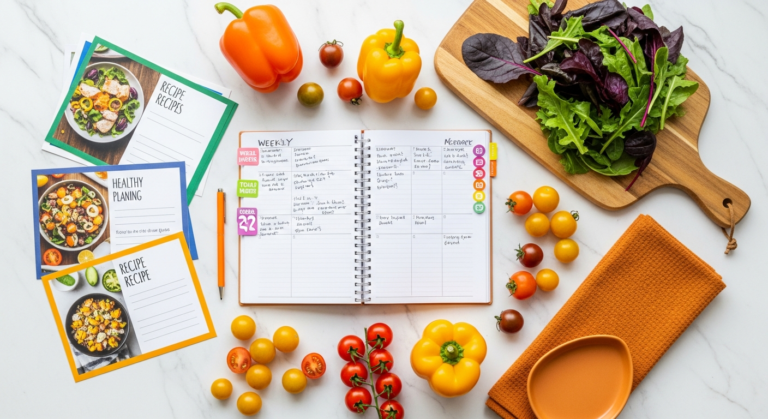
- Physical Binder: Print out beloved recipes or handwrite family favorites and organize them in a binder with dividers for different categories (e.g., chicken, vegetarian, sides).
- Pinterest Boards: Create secret boards for “Dinner Ideas,” “Breakfast Prep,” or “Holiday Meals.”
Periodically review your library, removing recipes that didn’t quite hit the mark and adding new discoveries. This curated collection will become your invaluable culinary north star, simplifying your weekly recipes and meal planning endeavors.
Crafting Your Ideal Meal Plan: Strategies for Success
With a curated collection of favorite recipes, the next step is to transform them into a cohesive meal plan. This process is where the real magic of organization and foresight happens, turning potential stress into effortless execution. When it comes to recipes and meal planning, there’s no one-size-fits-all approach; the best strategy is the one that fits your life.
Understanding Different Meal Planning Frequencies:
- Weekly Planning: The most common and often most effective method. It allows you to leverage sales, use up fresh produce efficiently, and adjust for the week’s specific schedule (e.g., a late meeting, a kids’ activity). This guide primarily focuses on weekly planning.
- Bi-Weekly or Monthly Planning: More intensive upfront but can be beneficial for those who prefer to shop less frequently or stock up on non-perishables. This often involves more freezer-friendly meals.
Types of Meal Plans to Consider:
- Theme Nights: A popular strategy for adding variety and reducing decision fatigue. Examples include “Meatless Monday,” “Taco Tuesday,” “Pasta Wednesday,” “Sheet Pan Thursday,” “Pizza Friday,” “Soup Saturday,” “Roast Sunday.” This framework makes recipe selection easier.
- Ingredient-Focused: Centered around using one or two versatile ingredients in multiple ways. For instance, roast a large chicken and use leftovers for sandwiches, salads, or tacos. Cook a big batch of quinoa for grain bowls, side dishes, or even breakfast porridge.
- Dietary-Specific: Essential for those with specific health goals or restrictions. A gluten-free or vegan meal plan will prioritize recipes that fit those criteria exclusively.
- Cook-Once, Eat-Twice (or Thrice): Deliberately choosing recipes that yield generous leftovers, either for lunches the next day or as another dinner later in the week. This is a powerful time-saver.
Step-by-Step Guide to Creating a Weekly Meal Plan:
- Assess Your Schedule: Look at your calendar for the upcoming week. Note busy evenings when you’ll need quick meals, nights you’ll be eating out, or days you might have more time for an elaborate recipe.
- Check Your Pantry & Fridge: Before selecting new recipes, see what ingredients you already have on hand that need to be used up. This reduces waste and inspires meal ideas.
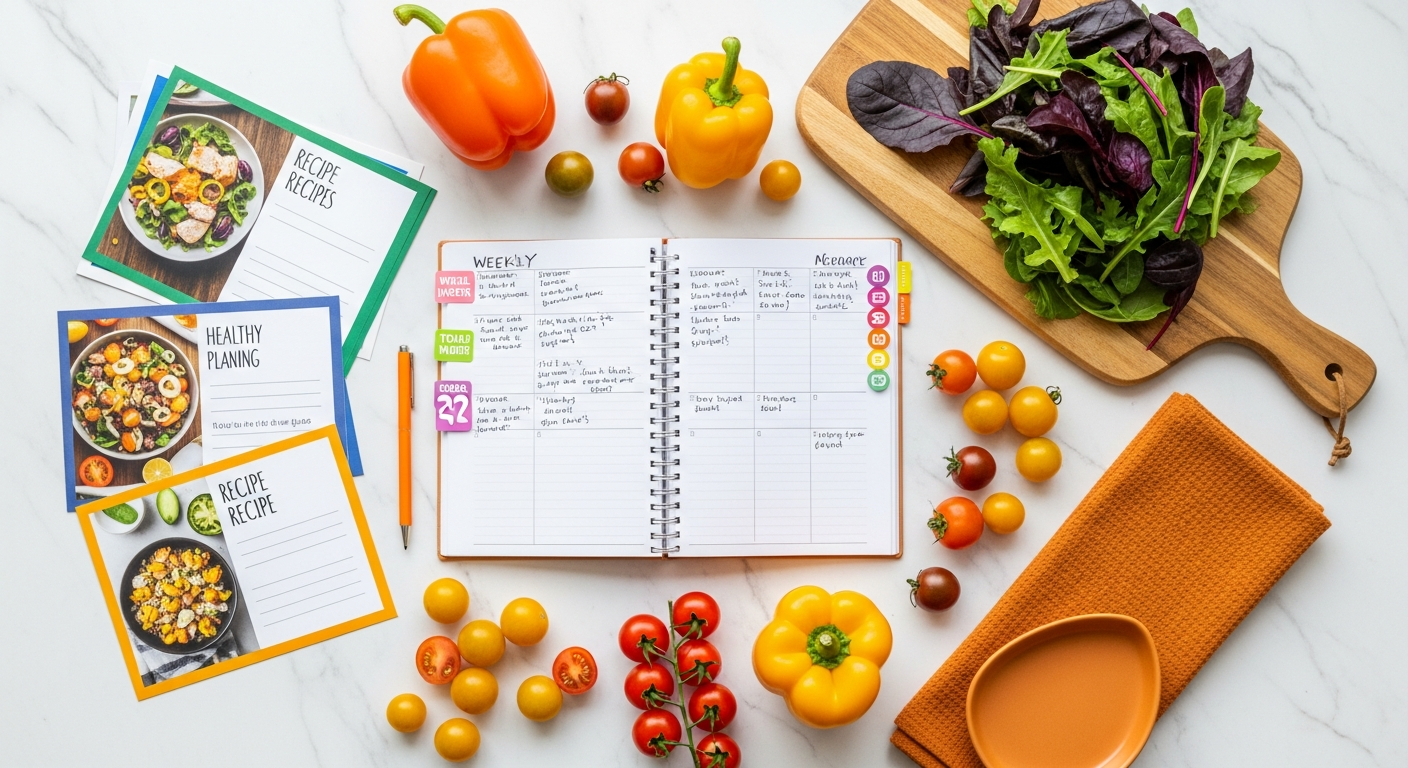
- Gather Your Recipes: Based on your schedule and existing ingredients, choose 4-5 dinner recipes for the week. Consider one or two breakfast prep ideas (e.g., overnight oats, egg muffins) and a versatile lunch component (e.g., a large salad mix, a batch of soup). Don’t plan every single meal initially – leave room for spontaneity or leftovers.
- Assign Meals to Days: Place your quickest or most convenient meals on your busiest days. Save more involved recipes for days with more free time.
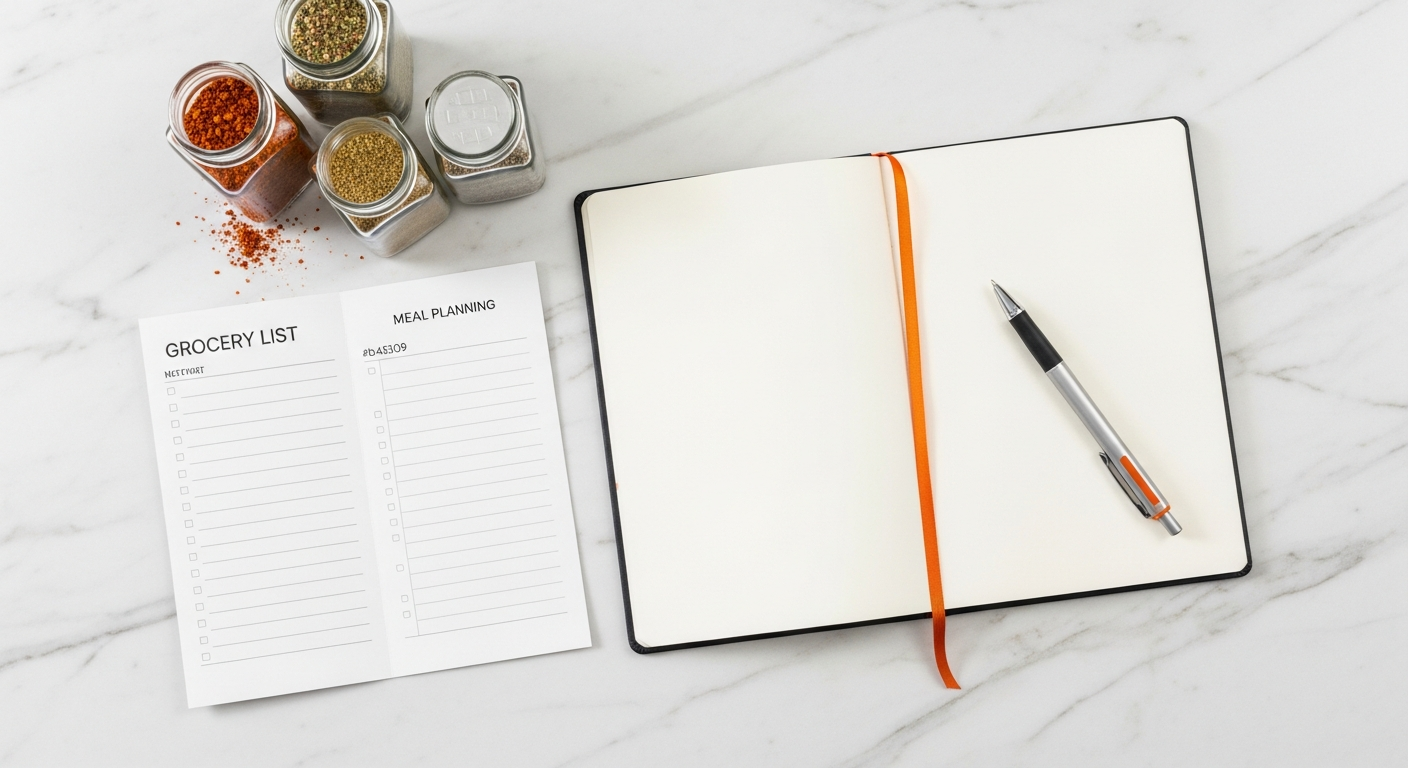
- Create Your Grocery List: Go through each chosen recipe ingredient by ingredient. List everything you need, checking it against what you already have. Organize your list by grocery store sections (produce, dairy, meat, pantry) to make shopping efficient. Don’t forget staples like bread, milk, and snacks.
- Factor in Variety & Seasonality: Try to include a good mix of proteins, vegetables, and cooking methods. Embrace seasonal produce for freshness and flavor.
- Plan for Leftovers & Snacks: Decide if certain meals will double as lunch for the next day. Jot down ideas for healthy snacks (e.g., fruit, nuts, yogurt) to avoid impulse purchases.
- Review and Refine: Take a final look at your plan. Does it feel balanced? Achievable? Are there any missing ingredients on your list?
By following these steps, you’ll develop a robust, personalized meal planning system that brings structure and ease to your culinary life, allowing your chosen recipes to shine.
The Art of Smart Shopping & Savvy Pantry Management
A well-crafted meal plan is only as good as the execution of its grocery list. Smart shopping and an organized pantry are the unsung heroes of consistent meal planning, ensuring you have the right ingredients when you need them and minimizing waste. This pivotal stage in your recipes and meal planning journey can save you time, money, and unnecessary stress.
Creating Efficient Grocery Lists:
Your grocery list is your battle plan for the supermarket. A strategic list prevents impulse buys and ensures you don’t forget crucial items.
- Categorize Your List: Divide your list into sections that mirror the layout of your grocery store (e.g., Produce, Dairy, Meat/Seafood, Pantry/Dry Goods, Frozen, Bakery, Cleaning Supplies). This allows you to move through the store logically, minimizing backtracking.
- Be Specific: Instead of “chicken,” write “1 lb boneless, skinless chicken breasts.” Instead of “greens,” write “1 head romaine lettuce.” This clarity prevents confusion and incorrect purchases.
- Check Quantities: Note the required quantity for each ingredient from your recipes (e.g., “2 cups chicken broth,” “1 can diced tomatoes”).
- Add Staples: Beyond recipe-specific items, remember to replenish everyday staples like milk, eggs, coffee, bread, or toiletries. Keep a running “staples” list throughout the week.
- Digital vs. Paper: Choose what works best for you. Apps like AnyList or a simple note on your phone allow for easy editing and sharing. A physical notepad or whiteboard in the kitchen works just as well.
Navigating the Grocery Store with Purpose:
- Stick to Your List: This is the golden rule. Avoid browsing aisles you don’t need to visit. Every detour is an opportunity for an impulse purchase.
- Shop the Perimeter First: Most grocery stores have fresh produce, dairy, meat, and seafood departments along the outer edges. These are often where your freshest, healthiest ingredients reside. Save the inner aisles (processed foods, snacks) for specific items on your list.
- Check Unit Prices: Especially for pantry staples, compare the cost per ounce or pound to ensure you’re getting the best value, particularly when buying in bulk.
- Don’t Shop Hungry: A well-fed shopper makes rational decisions. Shopping on an empty stomach is a surefire way to fill your cart with enticing, but often unhealthy, snacks.
Reducing Food Waste Through Inventory & Rotation:
Once groceries are home, proper storage and management are crucial to extend their shelf life and prevent waste.
- First In, First Out (FIFO): When putting away groceries, move older items to the front and newer items to the back. This ensures you use ingredients before they expire.
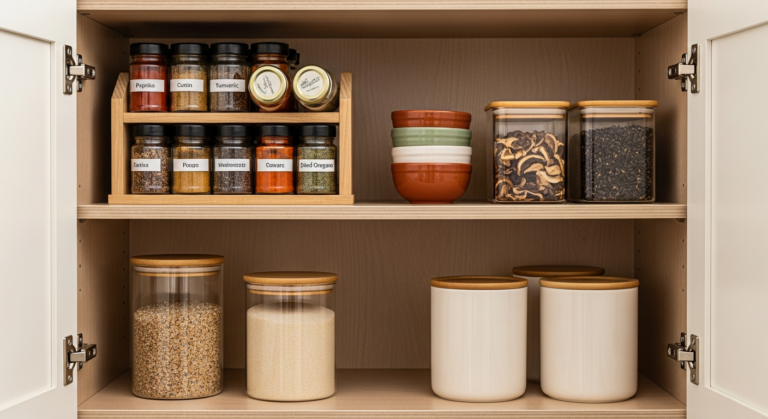
- Designated Spots: Give everything a “home” in your pantry, fridge, and freezer. This makes finding items easier and prevents forgotten ingredients.
- “Eat Me First” Section: Dedicate a bin or shelf in your fridge for items that are nearing their expiration date or need to be consumed soon.
- Proper Storage: Understand how to best store different foods. For instance, herbs often last longer in a jar with water, similar to flowers. Apples release ethylene gas that can ripen other produce, so store them separately.
Stocking a Versatile Pantry:
A well-stocked pantry is your secret weapon, providing the foundation for countless meals even on short notice.
- Grains: Rice (brown, white), quinoa, pasta, oats.
- Legumes: Canned beans (black, cannellini, chickpeas), lentils.
- Canned Goods: Diced tomatoes, tomato paste, coconut milk, tuna, chicken broth.
- Oils & Vinegars: Olive oil, vegetable oil, balsamic vinegar, apple cider vinegar.
- Spices & Herbs: A diverse collection of dried herbs and spices is essential for flavor.
- Baking Staples: Flour, sugar, baking powder, baking soda.
- Condiments & Sauces: Soy sauce, hot sauce, mustard, ketchup, honey, maple syrup.
- Frozen Essentials: Frozen vegetables (peas, corn, spinach), fruits (berries, mango), meat (chicken breasts, ground beef), fish fillets.
By mastering smart shopping and diligent pantry management, you not only support your meal plan but also cultivate a more resourceful, sustainable, and less wasteful kitchen environment.
Mastering Meal Prep and Batch Cooking: Reclaiming Your Time
One of the most powerful strategies to streamline your week and truly capitalize on your recipes and meal planning efforts is meal preparation, or “meal prep.” This involves dedicating a block of time, usually on a less busy day like Sunday, to prepare components or entire meals in advance. It’s the secret weapon of busy individuals and families, turning hectic weeknights into seamless culinary experiences.
Benefits of Advanced Preparation:
- Maximized Efficiency: Consolidate cooking time, cleaning time, and ingredient handling into one session, saving precious minutes throughout the week.
- Reduced Stress: Arrive home to pre-chopped vegetables, cooked grains, or even a fully prepared meal, eliminating the “what’s for dinner?” panic.
- Healthier Choices: With nutritious options readily available, you’re less likely to succumb to unhealthy takeout or convenience foods.
- Portion Control: Pre-portioned meals help with calorie management and balanced eating.
Techniques for Batch Cooking & Prep:
There are varying levels of meal prep, and you can choose what works best for your schedule and preferences.
1. Component Prep:
This involves preparing individual ingredients that can be mixed and matched into different meals throughout the week.
- Grains: Cook a large batch of quinoa, brown rice, farro, or couscous. These are versatile bases for bowls, salads, or side dishes. Store in airtight containers.
- Proteins:
- Chicken: Roast, grill, or shred a large batch of chicken breasts or thighs. Use for salads, sandwiches, tacos, or stir-fries.
- Ground Meat: Brown a large quantity of ground beef, turkey, or lentils with basic seasonings. It can be used for pasta sauces, tacos, chili, or shepherd’s pie.
- Hard-Boiled Eggs: A quick and easy protein for breakfasts, snacks, or salads.
- Beans/Lentils: Cook dried beans or lentils from scratch (more cost-effective) or simply drain and rinse canned versions for easy use.
- Vegetables:
- Chop & Dice: Pre-chop onions, garlic, carrots, celery, bell peppers, and other sturdy vegetables. Store them in airtight containers in the fridge.
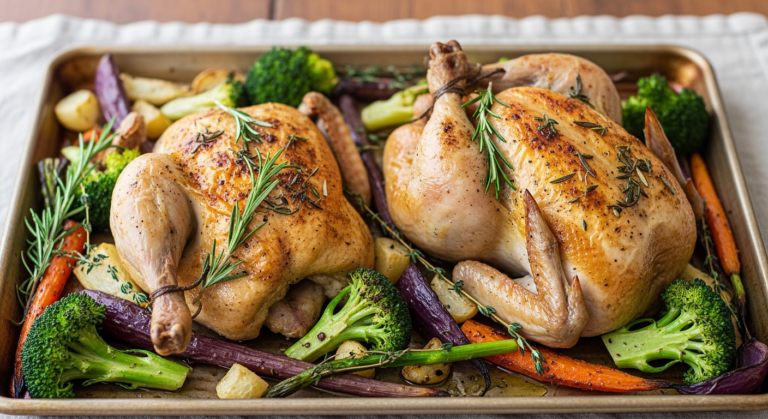
- Roast: Roast a big tray of mixed vegetables like broccoli, cauliflower, sweet potatoes, and Brussels sprouts. These make excellent sides or additions to grain bowls.
- Wash & Store Greens: Wash and dry salad greens and herbs thoroughly, then store with a paper towel in a sealed bag or container to keep them fresh.
- Sauces & Dressings: Whip up a homemade salad dressing, pesto, or marinara sauce. These often improve in flavor after a day or two and can elevate simple meals.
2. Full Meal Prep:
This involves preparing entire meals, often in individual portions, ready to grab and reheat.
- Individual Servings: Cook complete meals like chicken and veggie bowls, lasagna, chili, or casseroles, and portion them into microwave-safe containers for grab-and-go lunches or quick dinners.
- Freezer Meals: Prepare meals that freeze well (e.g., soups, stews, casseroles, burritos, breakfast sandwiches) and store them for future use. This is excellent for ensuring you have a healthy backup plan on particularly busy days.
Storage Tips for Freshness and Safety:
- Airtight Containers: Invest in good quality, airtight containers (glass is preferred for reheating). This prevents spoilage and keeps food fresh.
- Cool Completely: Always allow food to cool completely before covering and refrigerating or freezing. Placing hot food directly into the fridge can raise the internal temperature of the fridge, impacting food safety.
- Label & Date: Label all containers with the contents and the date it was prepared. This is crucial for food safety and preventing forgotten leftovers.
- Refrigeration Times: Cooked food is generally safe in the refrigerator for 3-4 days. For longer storage, freeze meals.
- Freezing: Most cooked foods can be frozen for 2-3 months. Thaw frozen meals in the refrigerator overnight or use the defrost setting on your microwave.
By dedicating a few hours to meal prep each week, you’re not just cooking; you’re investing in a smoother, healthier, and more relaxed week. It’s a game-changer for anyone serious about elevating their recipes and meal planning strategy.
Flexibility and Failsafes: Adapting Your Plan to Real Life
Even the most meticulously crafted meal plan can unravel in the face of real-life unpredictability. A sudden late meeting, an unexpected invitation, a child’s forgotten sports practice – these events can derail your culinary intentions and lead you back to last-minute, often less healthy, choices. This is why a successful approach to recipes and meal planning isn’t about rigid adherence, but about building in flexibility and developing failsafes.
Why Rigidity Fails (and Flexibility Flourishes):
Trying to stick to a meal plan with unwavering precision can lead to frustration, guilt, and ultimately, abandonment. Life happens, and your meal plan needs to be a supportive tool, not another source of stress. A flexible plan acknowledges that some weeks will be smoother than others and provides adaptable solutions.
- Embrace Swapping: If “Taco Tuesday” needs to become “Taco Thursday,” that’s perfectly fine. Don’t feel obligated to follow the days exactly as planned. As long as the meal gets made (or eaten), you’re still winning.
- Plan for Buffer Meals: Don’t schedule every single meal for every day. Leave one or two “flex spots” in your week for using up leftovers, a spontaneous meal out, or trying a new recipe on a whim.
- Listen to Your Cravings: While planning helps guide healthy choices, sometimes you just really want pasta instead of chicken. If you have the ingredients, make the swap!
Strategies for Busy Nights & Unexpected Changes:
These are your “plan B” options, ensuring that even when things go awry, you still have a healthy, efficient path forward.
- The “Emergency Meal” Stash: Keep a few quick, non-perishable or freezer-friendly meals on hand for true emergency nights.
- Pantry Staples: Pasta with canned tomatoes and beans, tuna melts, quesadillas with canned black beans, lentil soup.
- Freezer Staples: Frozen pizzas (healthier brands), frozen stir-fry mixes, pre-made frozen burritos, batch-cooked chili or soup.
- “15-Minute Meals”: Identify 3-5 super-fast recipes you can whip up with minimal effort. Think scrambled eggs with toast and avocado, quick pasta with pesto, or a simple protein (like pre-cooked chicken or canned tuna) on a big salad.
- Smart Takeout Choices: If takeout is inevitable, know your go-to healthier options from local restaurants. Instead of an impulse fast-food order, plan for a baked chicken and veggie plate from a local deli or a build-your-own salad.
- “Breakfast for Dinner”: Always a crowd-pleaser and often uses readily available ingredients. Pancakes, waffles, omelets, or breakfast burritos are quick and satisfying.
- Leverage Your Meal Prep: This is where your batch-cooked proteins, grains, and chopped veggies truly shine. A pre-cooked chicken breast with roasted veggies and quinoa can be assembled in minutes.
Learning from “Failures” and Refining Your Process:
Not every meal plan will be perfect, and that’s okay. Each week is an opportunity for learning.
- Review Your Week: At the end of the week, quickly reflect. What worked well? What didn’t? Why did a meal get skipped? Did you buy too much of something?
- Adjust for Next Time: Use these insights to inform your next meal plan. If you consistently skip a certain type of meal, perhaps it’s too complex for your current lifestyle, or you simply don’t enjoy it. If you always run out of a certain snack, add more to your grocery list.
- Don’t Aim for Perfection: The goal is consistency and progress, not an unblemished record. Every small step towards more mindful eating and less stress is a win. Forgive yourself for missed meals, learn, and move forward.
By embracing flexibility and preparing for the unexpected, your recipes and meal planning system will become a resilient and dependable ally in your pursuit of a balanced, stress-free lifestyle.
Integrating Recipes and Meal Planning into a Holistic Lifestyle
While the immediate benefits of recipes and meal planning are evident in the kitchen and at the dinner table, its true power lies in its ability to integrate seamlessly into a broader, holistic approach to wellness. For women striving for balance, this practice becomes a foundational pillar, influencing not just what you eat, but how you feel, how you manage your time, and how you engage with your family and home.
Connecting Meal Planning to Overall Wellness Goals:
- Mindful Eating: When meals are planned, you’re more likely to sit down and truly savor your food, rather than mindlessly grabbing something on the go. This fosters a deeper connection to what nourishes your body.
- Reduced Mental Load & Stress: As discussed, removing the daily “what’s for dinner?” question frees up significant cognitive space. This reduction in decision fatigue translates to less overall stress, contributing to improved mental health and capacity for other pursuits. A 2017 study in the International Journal of Behavioral Nutrition and Physical Activity found that meal planning was associated with a healthier diet and reduced obesity risk.
- Improved Sleep & Energy: Consistently eating balanced, home-cooked meals provides stable energy levels throughout the day and supports better sleep patterns, as your body isn’t working overtime to digest unhealthy or erratic meals.
- Enhanced Physical Activity: With more free time and stable energy, you’re more likely to engage in regular physical activity, further cementing a healthy lifestyle.
Making It a Sustainable Habit:
Like any new habit, incorporating recipes and meal planning requires consistency and patience. It’s not about being perfect from day one, but about building momentum.
- Start Small: Don’t try to plan every single meal and snack for the entire week immediately. Begin with planning dinners for 3-4 days, then gradually expand.
- Find Your Rhythm: Experiment with different planning days (Sunday, Monday morning, Saturday afternoon) and different prep strategies until you find what flows naturally with your schedule.
- Celebrate Small Wins: Acknowledge your efforts! Did you stick to your plan for three days? Did you try a new healthy recipe? Pat yourself on the back.
- Incorporate Fun: Make meal planning an enjoyable ritual. Listen to a podcast while you prep, invite a family member to help, or explore new cuisines through your recipe choices.
Involving Family Members:
Meal planning can be a wonderful opportunity for family bonding and teaching valuable life skills.
- Recipe Selection: Involve children and partners in choosing recipes. Give them a few healthy options to pick from, fostering a sense of ownership.
- Grocery Shopping: Turn grocery shopping into an educational trip. Teach children about different foods, budgeting, and making healthy choices.
- Meal Prep Tasks: Assign age-appropriate tasks during meal prep – washing vegetables, setting the table, stirring ingredients, or even reading recipe steps.
- Shared Cooking: Make cooking dinner a collaborative effort. Not only does it lighten your load, but it also creates cherished memories and teaches crucial culinary skills.
Beyond Dinner: Breakfasts, Lunches, and Snacks:
While dinners often take center stage, integrating planning for other meals can significantly enhance your overall wellness.
- Breakfast Prep: Overnight oats, homemade granola, egg muffins, or pre-portioned smoothie ingredients make mornings smoother and ensure a nutritious start.
- Lunch Strategy: Plan for intentional leftovers from dinner or dedicate a prep session to making versatile lunch components (e.g., a large salad, a batch of soup, wraps). This helps avoid expensive and often less healthy lunchtime temptations.
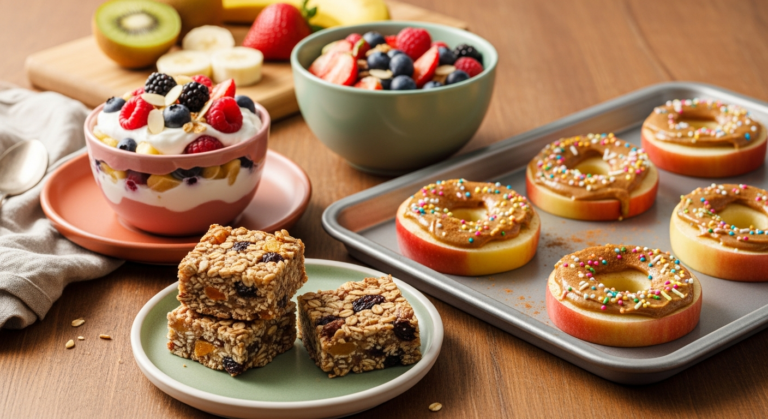
- Healthy Snacks: Keep a rotating stock of wholesome snacks like fruit, nuts, yogurt, vegetable sticks with hummus, or homemade energy balls. This prevents energy slumps and keeps you from reaching for ultra-processed options between meals.
By viewing recipes and meal planning not as a chore, but as an essential tool for empowerment, nourishment, and joyful living, you transform it into a practice that genuinely supports a balanced and flourishing lifestyle, enriching your home and well-being in profound ways.
The journey to a balanced lifestyle is continuous, and at its heart lies the deliberate choice to nourish yourself and your loved ones well. Embracing the art of recipes and meal planning is perhaps one of the most impactful decisions you can make in this pursuit. We’ve explored how this powerful practice not only revolutionizes your kitchen, saving you time and money, but also profoundly impacts your overall well-being by reducing stress, enhancing nutrition, and fostering mindful eating habits. From demystifying recipe selection and crafting robust meal plans to mastering savvy shopping and intelligent meal prep, you now possess the actionable strategies to transform your culinary approach. Remember, flexibility and learning from experience are key – your plan is a living document, adapting to your life, not dictating it. By integrating these principles, you’re not just cooking; you’re cultivating a home filled with intentional nourishment and a life rich in balance and peace. Take the first step today: open your calendar, choose one new recipe, and plan your first three dinners. Your balanced lifestyle awaits.
Here are some frequently asked questions about recipes and meal planning:
Frequently Asked Questions