






















Updated May 2024. In the intricate tapestry of modern life, women often find themselves juggling multiple roles—career professional, caregiver, homemaker, partner—leaving little time or energy to prioritize their own well-being. Yet, a vibrant life, rich with energy, clarity, and joy, is deeply rooted in robust physical health. This comprehensive guide is designed to empower you with the knowledge and actionable strategies necessary to cultivate exceptional women’s physical health & fitness, ensuring you not only meet life’s demands but thrive within them.
We believe that prioritizing your physical well-being isn’t selfish; it is a fundamental act of self-care that ripples out, enriching every aspect of your existence. From understanding your unique physiological needs across life stages to building sustainable exercise and nutrition habits, we will equip you to embark on a journey towards lasting vitality and strength. By integrating modern medical insights with holistic wellness practices, this guide serves as your roadmap to a more balanced, energized, and resilient version of yourself.
The Biological Foundations of Female Well-Being
The journey to optimal physical health for women begins with a deep understanding of our unique biological framework. Women’s bodies are remarkably complex, characterized by hormonal fluctuations, reproductive cycles, and distinct physiological responses that differentiate our health needs from those of men. From the onset of puberty through the reproductive years, perimenopause, and menopause, hormones like estrogen and progesterone play pivotal roles, influencing everything from bone density and cardiovascular health to mood and metabolism. For instance, estrogen is a key protector against heart disease and osteoporosis, making its decline during menopause a significant health consideration. Understanding these inherent differences is not about limitations, but about tailoring health strategies that work with our bodies, rather than against them.
Beyond hormones, women frequently face specific health concerns such as iron deficiency due to menstruation, increased risk of certain autoimmune diseases, and higher rates of conditions like thyroid disorders. The demands of pregnancy and childbirth also place unique physical stresses on the body, requiring specific nutritional and fitness considerations for recovery and long-term well-being. Furthermore, societal pressures and the mental load many women carry can manifest physically, impacting stress levels, sleep quality, and overall energy. A truly holistic approach to female vitality acknowledges these intertwined biological, psychological, and social factors. It emphasizes regular preventative care, including annual check-ups, gynecological screenings, and bone density tests as recommended by your doctor. Open communication with healthcare providers about symptoms, concerns, and lifestyle is paramount to receiving personalized guidance and catching potential issues early. This foundational understanding allows us to move beyond generic health advice and build a wellness plan that truly resonates with the female experience.
Types of Essential Fitness Modalities and When to Apply Them
Building a strong, resilient body is fundamental to a vibrant life, and for women, a balanced fitness regimen typically incorporates several key components. The aim is not merely aesthetic, but functional: to enhance daily energy, improve mood, prevent disease, and maintain independence as we age. Understanding the different types of exercise modalities ensures a well-rounded approach to your physical well-being.
Cardiovascular Endurance Training
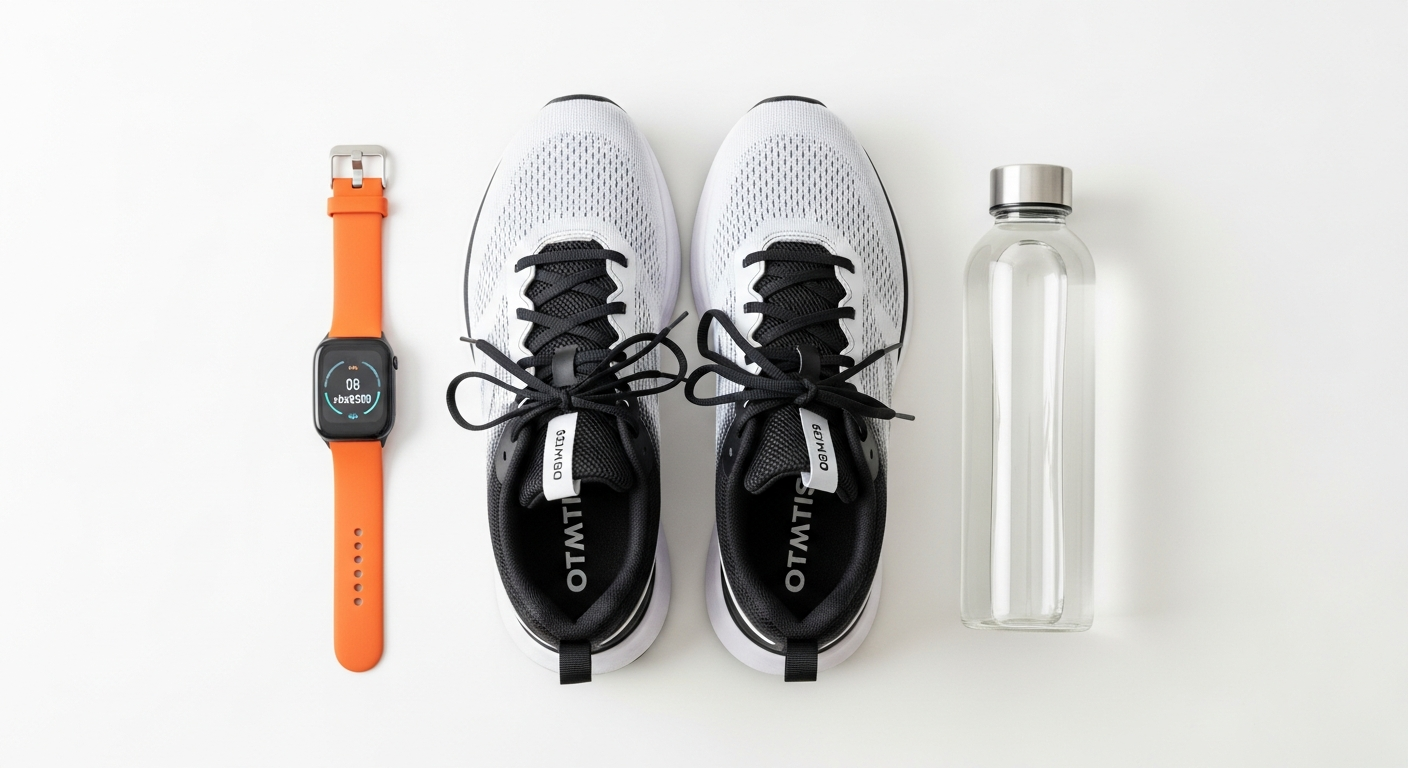
First, cardiovascular endurance is crucial for heart health, metabolic function, and stamina. Activities like brisk walking, jogging, swimming, cycling, dancing, or high-intensity interval training (HIIT) strengthen the heart and lungs, improve circulation, and help manage weight. Aim for at least 150 minutes of moderate-intensity aerobic activity or 75 minutes of vigorous-intensity activity per week, spread throughout the week. For example, a 30-minute brisk walk five times a week can significantly improve cardiovascular health. Studies show that women who engage in regular aerobic exercise have a reduced risk of heart disease, stroke, and type 2 diabetes.
Resistance and Strength Training
Second, strength training is non-negotiable for women, particularly for maintaining bone density and muscle mass. From our 30s onward, we naturally begin to lose muscle mass (sarcopenia), and after menopause, estrogen decline accelerates bone loss, increasing the risk of osteoporosis. Weight-bearing exercises, whether using free weights, resistance bands, bodyweight, or machines, stimulate bone growth and preserve muscle. This not only makes daily tasks easier but also boosts metabolism, improves body composition, and enhances overall strength and balance. Integrate strength training sessions 2-3 times per week, working all major muscle groups. Examples include squats, lunges, push-ups, rows, and planks. Do not be afraid to lift challenging weights; progressive overload is key to seeing results and building resilience.
Flexibility, Mobility, and Balance
Third, flexibility and balance are vital for injury prevention, maintaining range of motion, and ensuring agility. Activities like yoga, Pilates, and regular stretching improve flexibility, reduce muscle stiffness, and enhance posture. Balance exercises, such as standing on one leg or practicing dynamic movements, become increasingly important with age to prevent falls, which are a leading cause of injury in older adults. Dedicate 10-15 minutes to stretching after workouts or incorporate a couple of dedicated flexibility sessions per week. Finally, integrating mindful movement, such as walking in nature or gentle stretching, into daily life helps foster a positive relationship with movement, ensuring that your exercise routine is enjoyable and sustainable. Remember, consistency trumps intensity; finding activities you genuinely enjoy is the secret to making movement a lifelong habit rather than a chore.
[INLINE IMAGE 2: A woman demonstrating a yoga pose, highlighting the importance of flexibility and balance in women’s fitness.]
How Does Nutrition Fuel a Woman’s Body Across Different Stages?
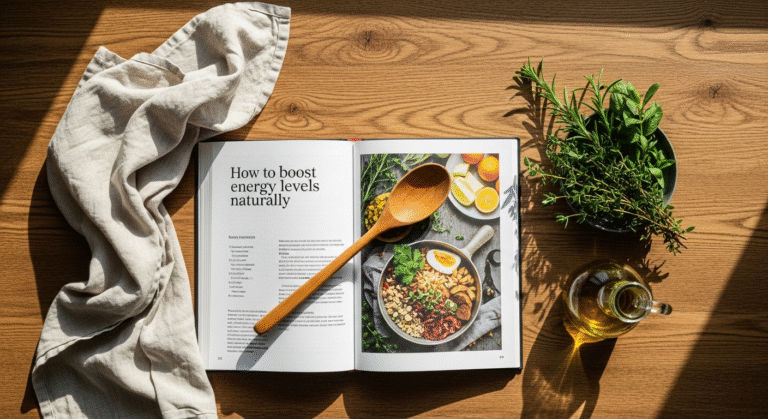
Nutrition is arguably the single most powerful tool in a woman’s arsenal for achieving and maintaining optimal physical health. Our diet provides the raw materials our bodies need to function, repair, and thrive, playing a critical role in energy levels, hormonal balance, immune function, and disease prevention. For women, specific nutritional considerations often come into play due to hormonal cycles, reproductive health needs, and susceptibility to certain deficiencies.
Prioritizing Whole, Unprocessed Foods
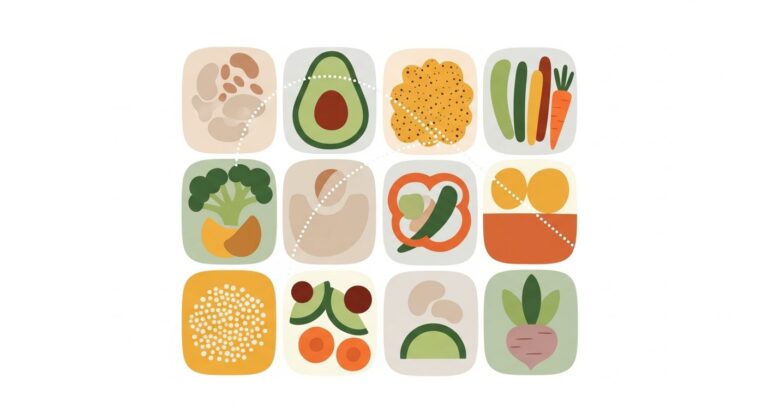
A balanced diet for women should prioritize whole, unprocessed foods. Focus on a colorful array of fruits and vegetables, which are rich in vitamins, minerals, and antioxidants that protect cells from damage. Incorporate lean proteins from sources like poultry, fish, legumes, and tofu to support muscle maintenance, satiety, and hormonal health. Healthy fats, found in avocados, nuts, seeds, and olive oil, are essential for hormone production, nutrient absorption, and brain function. Complex carbohydrates, such as whole grains (oats, quinoa, brown rice) and starchy vegetables, provide sustained energy and fiber, which is crucial for digestive health and blood sugar regulation.
Vital Micronutrients for Female Health
Beyond these macronutrients, several micronutrients are particularly vital for women. Iron is critical, especially for premenopausal women, to prevent anemia caused by menstrual blood loss. Lean red meat, fortified cereals, spinach, and lentils are excellent sources. Calcium and Vitamin D work hand-in-hand to support bone health throughout life, becoming even more critical as we approach menopause. Dairy products, fortified plant milks, leafy greens, and fatty fish are good sources, along with safe sun exposure for Vitamin D synthesis. Folate (Vitamin B9) is crucial for women of childbearing age, as it plays a key role in preventing neural tube defects in newborns. Leafy greens, citrus fruits, and beans are rich in folate.
Nutrition for Specific Life Stages
It is also essential to adapt your nutrition to specific life stages. During pregnancy, caloric needs increase slightly, and there is a heightened demand for nutrients like choline, iodine, and omega-3 fatty acids to support fetal brain development. Conversely, during menopause, metabolism naturally slows down, making nutrient density more important than ever. Phytoestrogen-rich foods like flaxseeds and organic soy can help manage menopausal symptoms naturally. Practical steps towards better nutrition include meal planning, which helps ensure you have healthy options readily available and reduces the temptation for less nutritious choices. Learning to read food labels can empower you to make informed decisions about processed foods, identifying hidden sugars, unhealthy fats, and excessive sodium. Practicing mindful eating—paying attention to your body’s hunger and fullness cues, savoring your food, and eating without distraction—can also foster a healthier relationship with food and prevent overeating.
The Crucial Role of Sleep, Stress Management, and Mind-Body Connection
In the fast-paced world we inhabit, sleep and stress management are often the first aspects of self-care to be sacrificed, yet they are profoundly influential pillars of women’s physical health. Chronic sleep deprivation and unmanaged stress can wreak havoc on nearly every bodily system, undermining even the best efforts in diet and exercise.
The Regenerative Power of Sleep
Adequate sleep is not merely rest; it is a period of crucial repair and regeneration for the body and mind. During sleep, our bodies produce growth hormone, repair muscle tissue, consolidate memories, and regulate hormones that control appetite (leptin and ghrelin), stress (cortisol), and blood sugar (insulin). For women, insufficient sleep can disrupt hormonal balance, leading to issues like increased cravings, weight gain, impaired immune function, and decreased cognitive performance. Aim for 7-9 hours of quality sleep per night. To improve sleep hygiene, establish a consistent sleep schedule, even on weekends. Create a relaxing bedtime routine that signals to your body it is time to wind down—this could involve a warm bath, reading a book, or gentle stretching. Ensure your bedroom is dark, quiet, and cool, and limit screen time from electronic devices at least an hour before bed, as the blue light can interfere with melatonin production.
Advanced Stress Management and Mind-Body Practices
Stress management is equally vital. Women often experience stress differently and may be more susceptible to its physical manifestations due to hormonal interactions. Chronic stress elevates cortisol levels, which can lead to inflammation, weakened immune response, increased abdominal fat storage, and contribute to issues like digestive problems, headaches, and even fertility challenges. It is not about eliminating stress entirely—that is often unrealistic—but about developing effective coping mechanisms. Beyond basic relaxation, exploring advanced mental health resources and coping strategies can be transformative. Cognitive Behavioral Therapy (CBT) and somatic experiencing are excellent tools for processing deep-seated stress.
Furthermore, integrating mind-body connection practices such as advanced meditation, breathwork (like alternate nostril breathing or holotropic breathwork), and biofeedback can profoundly regulate the nervous system. Practical strategies for daily stress reduction include mindfulness, deep breathing exercises, physical activity, setting firm boundaries, and fostering strong social connections. Prioritizing sleep and actively managing stress through these effective stress reduction strategies are not luxuries; they are fundamental investments in your physical and mental resilience.
[INLINE IMAGE 4: A woman meditating in a serene environment, representing effective stress management and mental well-being.]
What Are the Key Health Considerations During Different Life Stages?

A woman’s wellness journey is dynamic, evolving significantly across different life stages. What serves a woman in her 20s may not be optimal for a woman in her 50s or 70s. Recognizing and adapting to these changes is key to maintaining vitality throughout the lifespan.
Adolescence and Young Adulthood
During adolescence and young adulthood, building a strong foundation is paramount. This period is critical for bone development, with peak bone mass typically achieved by age 30. Regular weight-bearing exercise and adequate calcium and Vitamin D intake are essential. Establishing healthy habits now can prevent chronic diseases later. For young women, body image concerns can also impact health choices, making a focus on intuitive eating and finding joy in movement important.
The Reproductive Years
The reproductive years often bring unique challenges. Pregnancy demands specific nutritional adjustments, including increased folate and iron, and tailored exercise routines to support a healthy pregnancy and prepare for childbirth. Postpartum recovery requires patience and focused rehabilitation to restore core strength and pelvic floor health. Conditions like PCOS (Polycystic Ovary Syndrome) or endometriosis may also require specific dietary and lifestyle management. For women balancing careers and family, finding time for self-care, including consistent exercise and balanced nutrition, becomes a strategic endeavor, often requiring efficient planning and prioritization.
Perimenopause, Menopause, and Later Life
Perimenopause and Menopause, typically occurring from the late 40s through the 50s, mark a significant transition. Declining estrogen levels can lead to a host of physical changes: accelerated bone density loss, increased risk of cardiovascular disease, shifts in fat distribution, and a decrease in muscle mass. This stage necessitates a heightened focus on strength training to counteract muscle and bone loss, cardiovascular exercise for heart health, and nutrition strategies to manage weight and inflammation. In later life, the focus shifts towards maintaining independence, preventing falls, and managing age-related conditions. Strength training remains critical for functional mobility and preventing sarcopenia. Balance exercises become even more important for fall prevention. Gentle flexibility work like Tai Chi or specialized yoga can improve joint health and overall well-being. Regular screenings for conditions like osteoporosis and heart disease are also vital across all these later stages.
Strategies for Cultivating a Sustainable Wellness Mindset
Achieving lasting physical well-being extends far beyond simply following a diet or exercise plan; it hinges on cultivating a resilient and positive mindset. The journey to wellness is not a sprint, but a marathon, filled with inevitable plateaus, setbacks, and triumphs. A sustainable approach means fostering habits and perspectives that support your well-being for the long haul.
Consistency, Progress, and Body Positivity
One of the most critical mindset shifts is moving away from the all-or-nothing mentality. Perfection is an elusive and ultimately self-defeating goal in health. Instead, embrace the power of consistency and progress over perfection. Missing a workout or having an indulgent meal does not derail your entire journey; it is simply an opportunity to recommit at the next instance. Focus on making small, achievable changes that you can integrate seamlessly into your daily life. Another essential component is fostering a sense of body positivity and self-compassion. Society often bombards women with unrealistic ideals, leading to self-criticism and a focus on physical appearance rather than health and function. Shift your perspective to appreciate what your body can do rather than solely how it looks. Celebrate its strength, resilience, and capacity for movement.
Holistic Resilience: Financial and Digital Well-Being
True wellness also requires looking outside traditional health metrics. Financial wellness is an integral part of overall well-being; financial stress is a leading cause of anxiety and sleep disruption for many women. Taking control of your financial health through budgeting, investing, and financial literacy directly lowers cortisol levels and improves your physical state. Similarly, in our hyper-connected world, digital well-being strategies beyond simple detoxes are necessary. Curating your social media feeds to eliminate toxic body-image messaging, setting strict boundaries around work emails after hours, and engaging in screen-free hobbies are crucial for building resilience and emotional strength.
Integrating Mental Health Support
Physical and mental health are inextricably linked, especially for women. Beyond stress management, integrating mental health awareness into your wellness journey is crucial. This includes addressing body image concerns, which can significantly impact self-esteem and adherence to healthy habits. Finally, remember that seeking professional guidance is a sign of strength, not weakness. A certified personal trainer can help design an effective and safe exercise program. A registered dietitian can provide personalized nutrition advice. A therapist can help address underlying stress or emotional eating patterns. By adopting a mindset rooted in self-compassion, consistency, and a willingness to adapt, you create a foundation for a truly sustainable and joyful wellness journey.
Frequently Asked Questions About Female Vitality and Exercise?
Navigating the vast amount of health information available can be overwhelming. Below are evidence-based answers to some of the most common questions regarding female physical well-being.
Q: How often should women exercise for optimal health?
A: For optimal health, women should aim for at least 150 minutes of moderate-intensity aerobic activity or 75 minutes of vigorous-intensity aerobic activity per week, along with strength training for all major muscle groups 2-3 times per week. Flexibility and balance exercises should also be incorporated regularly to maintain full range of motion and prevent injuries.
Q: What are the most important nutrients for women?
A: While all nutrients are important, women particularly need to focus on adequate intake of iron (especially premenopausal women due to menstruation), calcium and Vitamin D for bone health, and folate (especially for those of childbearing age). High-quality protein, healthy fats, and complex carbohydrates are also essential macronutrients for sustained energy and hormone production.
Q: How does menopause impact a woman’s fitness routine?
A: During menopause, decreasing estrogen levels can lead to accelerated bone density loss and muscle mass reduction. Therefore, strength training becomes even more crucial to counteract these changes. Cardiovascular exercise remains vital for heart health, and incorporating balance exercises can help prevent falls. Adjustments may be needed based on energy levels and individual symptoms.
Q: What are common barriers to women’s fitness and how can they be overcome?
A: Common barriers include lack of time due to family or work commitments, low motivation, body image concerns, and lack of access to facilities. Overcoming these involves setting realistic goals, finding enjoyable activities, scheduling workouts like appointments, seeking support from friends or professionals, and practicing self-compassion.
Q: Is it important for women to lift heavy weights?
A: Yes, it is highly beneficial for women to lift challenging weights. This is crucial for building and maintaining muscle mass, improving bone density, boosting metabolism, and enhancing functional strength, all of which are vital for long-term health and independence, especially as we age. “Heavy” is relative and should always prioritize proper form and progressive overload.
Sources & References
- American Heart Association. (2022). “Exercise and Cardiovascular Health in Women.” AHA Journals.
- National Osteoporosis Foundation. (2023). “Bone Mass Measurement: What the Numbers Mean.” NOF Clinical Guidelines.
- World Health Organization. (2020). “Physical activity and adults: Recommended levels of physical activity for adults aged 18 – 64 years.” WHO Guidelines.
- Harvard T.H. Chan School of Public Health. (2021). “The Nutrition Source: Calcium and Milk.” Harvard University.
Reviewed by Naomi Clarke, Senior Lifestyle Editor — Last reviewed: April 25, 2026