




























Cultivating Your Sanctuary: Home Office Design Ideas for Peak Productivity & Serenity in 2026
The Foundation: Choosing Your Space & Crafting an Ergonomic Layout
The journey to your ideal home office begins with a thoughtful evaluation of your available space and how it can best serve your working style. Whether you have a dedicated room or are carving out a nook in a multi-functional area, the principles of smart layout and ergonomic design are paramount.
First, consider the location within your home. A dedicated room offers the ultimate in separation and focus, allowing you to “close the door” on work at the end of the day. If a separate room isn’t an option, look for underutilized spaces: a quiet corner of the living room, a generous landing, or even a cleverly converted closet. The key is to select a spot with minimal foot traffic and distractions. For those blending their office into an open-plan living area, think about how you can visually and acoustically delineate the space – perhaps with a stylish room divider, a tall bookshelf, or even a strategically placed plant. This “zoning” helps your brain switch between work and leisure modes more effectively.
Natural light is a non-negotiable asset for any productive workspace. Position your desk to maximize natural light, ideally with the window to your side to avoid glare on your screen or shadows on your work surface. If direct natural light is limited, plan for a layered lighting approach, which we’ll discuss further. The orientation of your desk also influences your focus; some prefer facing a wall to minimize distractions, while others find inspiration gazing out a window. Experiment to see what resonates with you.
Once the location is set, the layout comes into play, with ergonomics taking center stage. Your physical comfort directly impacts your productivity and long-term health. Invest in a high-quality, adjustable ergonomic chair that supports your spine and allows your feet to rest flat on the floor or on a footrest. Your desk should be at a height that allows your forearms to be parallel to the floor when typing, with your elbows at a comfortable 90-degree angle. Standing desks, whether fully adjustable or a desktop converter, continue to be a popular and beneficial choice for incorporating movement throughout the day. Alternating between sitting and standing can reduce fatigue, improve circulation, and boost energy levels. Position your monitor(s) at arm’s length, with the top of the screen at or slightly below eye level, preventing neck and eye strain. If you use dual monitors, ensure they are seamlessly integrated and at the same height.
Aesthetics Meet Ambience: Color, Texture, and Light

The visual and sensory elements of your home office are just as crucial as its functional layout. Creating an environment that stimulates yet soothes the senses is key to sustained productivity and well-being. This is where Rock Salt Plum’s philosophy of blending beauty with practicality truly shines.
Let’s begin with your color palette. While personal preference always plays a role, certain colors are known to enhance focus and reduce stress. Soft, muted tones are often ideal. Think serene blues, which evoke a sense of calm and clarity; gentle greens, reminiscent of nature and promoting concentration; or warm neutrals like creamy off-whites, soft grays, and natural linen hues, which provide a soothing backdrop without being distracting. These colors can be applied to walls, but also consider them for larger furniture pieces, rugs, or drapes to create a cohesive and tranquil feel. Avoid overly vibrant or stark colors for large surfaces, as they can be stimulating in a way that leads to mental fatigue over time. Introduce pops of bolder color through curated artwork, decorative objects, or a cozy throw blanket.
Texture adds depth, warmth, and sophistication, transforming a sterile workspace into an inviting haven. Incorporate a plush rug underfoot to define the space and absorb sound, choosing natural fibers like wool or jute for their tactile appeal and durability. Linen drapes or Roman shades filter natural light beautifully, adding a soft, organic texture. Consider a desk with a natural wood finish, or introduce wood elements through shelving or decorative accessories. Upholstered chairs, a woven basket for storage, or a ceramic planter for greenery all contribute to a rich, layered aesthetic that feels both luxurious and comfortable. These textural elements soften the hard lines of technology and furniture, making the space feel more harmonious and welcoming.
Lighting is perhaps the most impactful element in setting the ambience. Beyond maximizing natural light, a layered artificial lighting scheme is essential. This typically includes three types:
1. Ambient Lighting: This is your general room illumination, often provided by overhead fixtures, recessed lighting, or a stylish floor lamp. It sets the overall mood and ensures the room is adequately lit without harsh shadows. Dimmers are a wonderful addition, allowing you to adjust the brightness to suit different tasks and times of day.
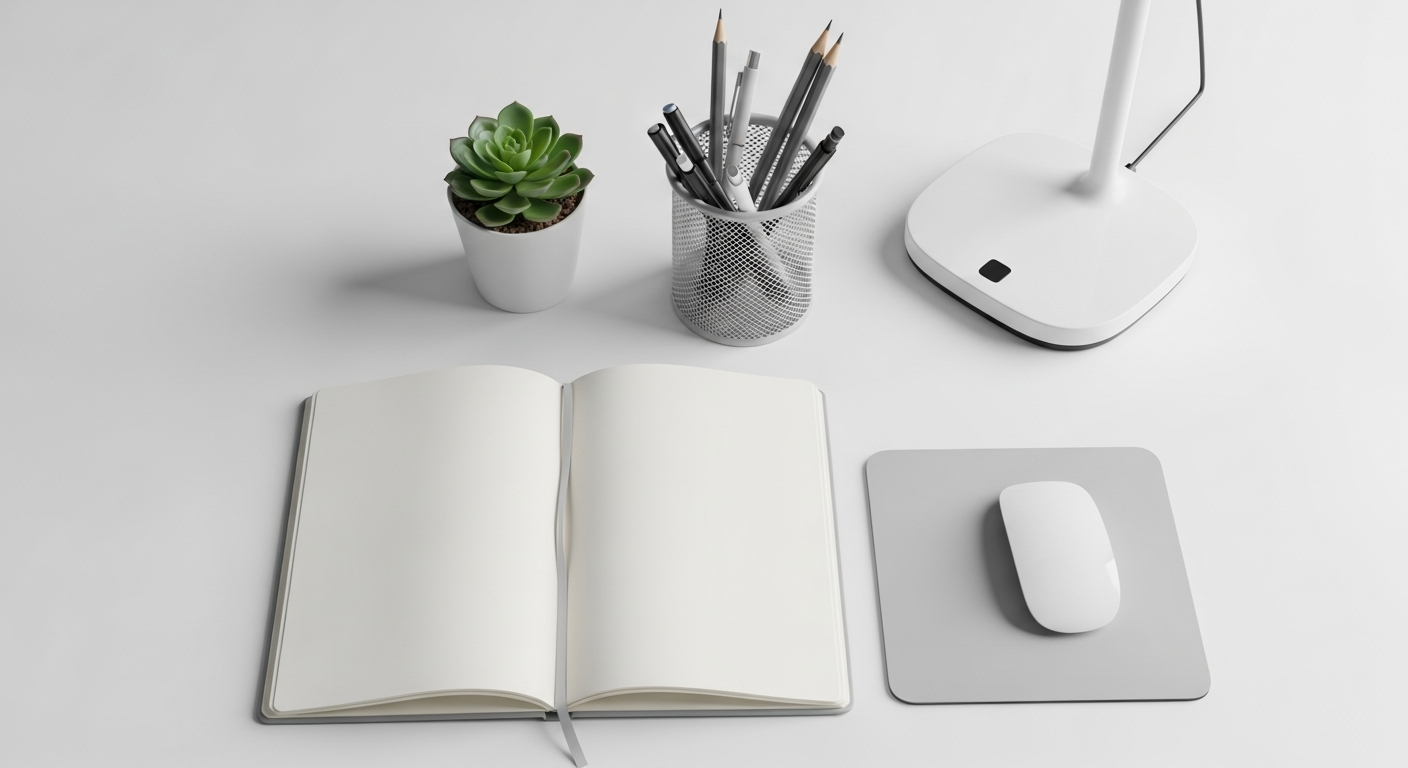
2. Task Lighting: Crucial for focused work, task lighting should be directed precisely where you need it. A high-quality desk lamp is indispensable, providing focused light for reading, writing, or intricate tasks. Look for lamps with adjustable arms and heads to direct light effectively, minimizing eye strain. LED options are energy-efficient and offer various color temperatures.
3. Accent Lighting: This layer adds visual interest and highlights specific features, like artwork or shelving. A small table lamp on a credenza or picture lights can create focal points and contribute to the room’s overall warmth and charm.
Strategically placed mirrors can also amplify natural light and make a smaller space feel larger, reflecting light back into the room. By thoughtfully combining these elements, you can create a home office that is not only visually stunning but also fosters a calm, focused, and inspiring atmosphere where productivity naturally flourishes.
Smart Storage & Organization: A Place for Everything
A cluttered space often leads to a cluttered mind. In a home office, effective storage and organization are not merely about aesthetics; they are fundamental to maintaining focus, efficiency, and a sense of calm. Embracing smart storage solutions means everything has a designated home, making tasks smoother and your environment more inviting.
Begin with a thorough decluttering session. Before you buy a single storage solution, go through every item in your current or proposed workspace. Ask yourself: Do I use this regularly? Does it serve a purpose? Does it bring me joy? Be ruthless. Digitize documents where possible to reduce paper clutter. Dispose of or donate items that no longer serve you, creating a clean slate for your new organizational system.
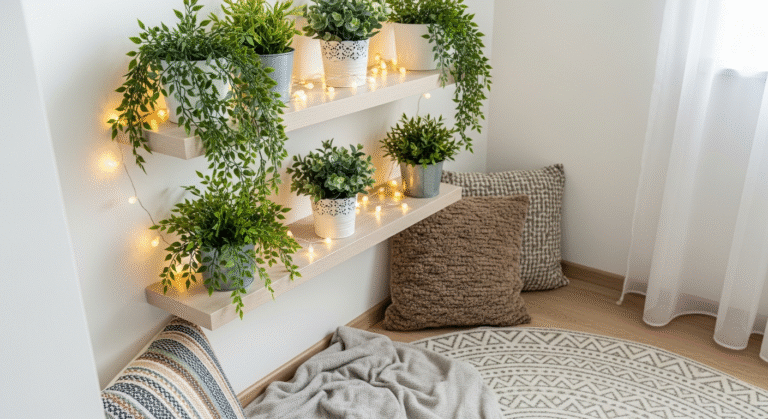
Next, think vertically. Walls are prime real estate for storage, especially in smaller spaces. Built-in shelving or stylish floating shelves can house books, decorative objects, and even neatly stacked files in attractive bins. Consider a tall, slender bookcase or a modular shelving system that can be customized to your needs. Vertical storage keeps your desk surface clear, which is a major win for productivity.
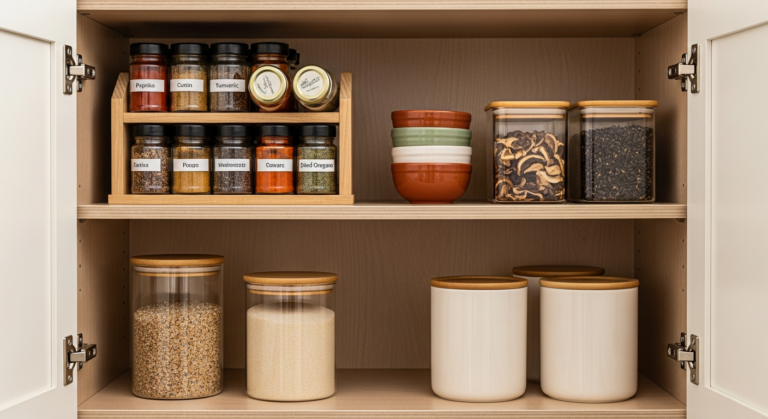
Hidden storage is a secret weapon for maintaining a serene aesthetic. Credenzas, cabinets with doors, and filing cabinets that blend seamlessly with your decor are invaluable for stowing away less attractive but essential items like printers, office supplies, and bulkier files. Look for pieces that match your home’s style – perhaps a beautiful antique cabinet repurposed as a storage unit, or modern, streamlined cabinetry for a contemporary feel. Drawer organizers are a must-have for keeping pens, paper clips, sticky notes, and other small items neatly contained within drawers, preventing them from becoming a chaotic jumble. Think about dedicated file drawers for important documents, using a clear, intuitive labeling system.
Cable management is often overlooked but dramatically impacts the visual cleanliness and safety of your workspace. Loose cables are not only unsightly but can also be a tripping hazard. Invest in cable ties, sleeves, or a cable management box to gather and hide wires from monitors, chargers, and other electronics. Drill holes in the back of your desk or console if necessary to route cables discreetly. Wireless charging pads for your phone and other devices can also significantly reduce cable clutter on your desk surface.
Finally, incorporate decorative yet functional storage. Stylish storage boxes or woven baskets can hold notebooks, magazines, or even extra blankets, adding to the room’s texture and visual appeal while keeping things tidy. A beautiful ceramic pen holder, rather than a plastic cup, elevates the everyday. By integrating smart, intentional storage solutions, you create a home office where everything has its place, allowing you to find what you need quickly and maintain a peaceful, productive environment.
Personal Touches & Wellness Integration
Your home office should be an extension of your personal style and a haven for your well-being. Infusing the space with thoughtful, personal touches and integrating wellness elements can transform a functional workspace into a truly inspiring sanctuary where you feel balanced and invigorated.
Embrace biophilic design – the practice of incorporating natural elements into interior spaces to connect occupants with nature. Plants are the easiest and most effective way to do this. Beyond their aesthetic appeal, plants improve air quality, reduce stress, and boost creativity. Choose low-maintenance varieties like Snake Plants, ZZ Plants, or Pothos for an easy green touch. A small herb garden on a sunny windowsill can add both life and a delightful aroma. Consider incorporating natural materials like wood, stone, and bamboo in your furniture or decorative accents. Even a beautiful nature-inspired piece of art can contribute to this connection.
Personalization makes a space uniquely yours. Display curated artwork that resonates with you, whether it’s a vibrant abstract print, a calming landscape, or a cherished family photograph. Frame photos of loved ones or inspiring moments to add warmth and a sense of connection. Collectible items, beautiful pottery, or unique travel souvenirs can also find a home, but remember the “less is more” principle. The goal is to inspire, not to clutter. Rotate these items periodically to keep the space feeling fresh and reflective of your current mood or interests.
Comfort and breaks are essential for sustained productivity. While your ergonomic chair is for focused work, consider adding a comfortable accent chair or a small, plush ottoman if space allows. This provides an alternative spot for reading, taking phone calls, or simply stepping away from your desk for a few minutes to recharge. A soft throw blanket draped over a chair or neatly folded nearby invites relaxation during short breaks. The idea is to create micro-environments within your office that support different modes of activity, from intense focus to gentle repose.
Engage your senses to enhance your well-being. A high-quality diffuser with essential oils like lavender for calm, peppermint for focus, or citrus for energy can subtly shift the mood of your workspace. Choose a scent that supports your goals for the day. A small Bluetooth speaker playing ambient instrumental music or nature sounds can further enhance concentration and block out distractions. Tactile elements, like a smooth stone or a textured stress ball, can offer a moment of grounding. Even the warmth of a beautifully crafted ceramic mug for your coffee or tea can elevate a simple daily ritual.
By thoughtfully weaving in these personal and wellness-focused elements, your home office becomes more than just a place to work; it becomes a nurturing environment that supports your mental, emotional, and physical health, allowing you to approach your tasks with renewed energy and joy.
Tech Integration & Future-Proofing for Seamless Workflow in 2026
In the dynamic landscape of modern work, seamless technology integration is the backbone of a truly productive home office. As we look towards 2026, the emphasis is on creating a tech ecosystem that is intuitive, efficient, and future-proof, allowing you to focus on your work without digital friction.
Start with your internet connection. A reliable, high-speed connection is non-negotiable. Consider upgrading to a mesh Wi-Fi system if you experience dead zones or slow speeds, especially if your office is further from your main router. A wired Ethernet connection, if feasible, offers the most stable and fastest connection for critical tasks.
Your monitor setup is central to your digital workflow. Many professionals benefit from dual monitors, which significantly expand your digital workspace and allow for efficient multitasking. Invest in ergonomic monitor arms that clamp to your desk, elevating your screens to eye level and freeing up valuable desk surface area. These arms also allow for easy adjustment of height and angle, promoting better posture. For a clean aesthetic, choose monitors with thin bezels and integrate them seamlessly.
Wireless peripherals are key to reducing clutter and enhancing flexibility. A high-quality wireless keyboard and mouse provide freedom of movement and contribute to a streamlined look. Consider a wireless headset for video calls and online meetings, offering superior audio quality and the ability to move freely during calls. Wireless charging pads integrated into your desk or a stylish stand can keep your phone and other compatible devices powered up without a tangle of cords.
Smart home integration can extend to your office, enhancing comfort and efficiency. Smart plugs can turn lamps on and off with voice commands or a schedule, ensuring your workspace is always perfectly lit. Smart thermostats can maintain an optimal temperature, and even smart diffusers can be programmed to release calming scents. These subtle automations create a more comfortable and responsive environment.
Finally, consider noise-canceling technology. For those in bustling households or shared living spaces, quality noise-canceling headphones can be a lifesaver, allowing you to create a quiet bubble of concentration. Acoustic panels, though a larger investment, can also significantly improve sound dampening in a dedicated office space, making it a more peaceful environment for calls and focused work.
As technology continues to evolve, remember that the goal is not to adopt every new gadget, but to select tools that genuinely enhance your workflow and reduce friction. By thoughtfully integrating these tech solutions, you create a home office that is not only ready for today but also adaptable and efficient for the demands of 2026 and beyond, empowering you to work smarter, not harder.
Conclusion
Designing your home office for peak productivity and serenity in 2026 is an investment in yourself, your work, and your overall well-being. It’s about more than just functionality; it’s about crafting a space that truly resonates with your spirit, blending the practical necessities of work with the beautiful, comforting aesthetics of home. From the ergonomic foundation and thoughtful layout to the calming color palettes, luxurious textures, and ingenious storage solutions, every detail contributes to an environment where you can not only accomplish tasks but also find joy and inspiration.
Embrace the power of personal touches, integrate wellness elements that soothe your senses, and leverage smart technology to streamline your workflow. By following these Rock Salt Plum principles – practical advice interwoven with aspirational beauty and a touch of Southern charm – you’ll create a home office that is not just ready for the future, but a true sanctuary where you can thrive. May your workspace be a testament to your aspirations, a place where focus comes naturally, and creativity flows freely.