





























The Ultimate Guide to Choosing Curtains and Drapes for Every Room in Your Home
Understanding the Basics: Curtains vs. Drapes & Key Terminology
Before we dive into the delightful details, let’s clear up the lingo. While often used interchangeably, “curtains” and “drapes” do have subtle distinctions, and understanding them is your first step toward making informed choices.
* Curtains: Typically unlined or lightly lined, curtains are generally made from lighter fabrics like cotton, linen, or sheers. They often come in a wider range of lengths, from sill-length to floor-length, and tend to have a more casual, airy feel. Think of them as the graceful, flowing gowns of your windows, perfect for spaces where you want to invite natural light while adding a touch of softness.
* Drapes: These are the more substantial, formal cousins. Drapes are usually made from heavier fabrics like velvet, silk, faux silk, or wool, and are almost always lined – often with a blackout or thermal lining. They typically extend to the floor or puddle slightly, offering superior light control, insulation, and a more opulent, tailored appearance. Drapes are the elegant, structured suits of the window world, ideal for creating a sense of grandeur and privacy.
Now, let’s explore a few essential terms you’ll encounter:
* Header Styles: This refers to how the fabric attaches to the curtain rod.
* Rod Pocket: A channel sewn into the top of the fabric that the rod slides through. Offers a gathered, relaxed look.
* Grommet: Metal rings punched into the top of the fabric, allowing the rod to pass through. Creates wide, even pleats and a modern, sleek aesthetic.
* Pinch Pleat: Fabric is sewn into permanent, decorative pleats at the top, typically hung with rings and hooks. Very classic and formal.
* Tab Top: Loops of fabric at the top slide over the rod, offering a casual, relaxed look.
* Back Tab: Similar to tab top, but the tabs are hidden behind the panel, giving a cleaner, more tailored appearance from the front.
* Ring Top: Curtains designed to be hung with separate rings that clip onto the fabric or slide through pre-sewn holes.
* Sheers: Lightweight, translucent fabrics that offer minimal privacy but diffuse light beautifully, adding an ethereal softness. Often layered under heavier drapes.
* Blackout: A type of lining (or fabric itself) designed to completely block out light, perfect for bedrooms or media rooms.
* Thermal Lining: Provides insulation, helping to keep rooms warmer in winter and cooler in summer.
* Café Curtains: Shorter curtains, typically hung across the lower half of a window to provide privacy while allowing light in from the top. Perfect for kitchens and bathrooms.
* Valances: Decorative fabric treatments that cover only the top portion of a window, often used to conceal hardware or add a finishing touch.
Measure Twice, Hang Once: The Art of Sizing and Placement

This is arguably the most crucial step in achieving that polished, professional look. Ill-fitting window treatments can make even the most beautiful fabric fall flat. Let’s get out our measuring tapes and conquer this together!
Step-by-Step Measuring Guide:
1. Measure the Width:
* Measure the exact width of your window frame from outside edge to outside edge.
* For the rod, aim to extend it 4-10 inches beyond the window frame on each side. This allows the curtains to be pulled completely off the window when open, maximizing natural light and making the window appear larger. So, if your window is 40 inches wide, your rod should be 48-60 inches wide.
* For the curtain panels themselves, you’ll need fabric that is 1.5 to 2.5 times the total width of your rod (including the extensions). This ensures a beautiful, full look when the curtains are closed, rather than a stretched, skimpy appearance. For a 60-inch rod, you’d want panels totaling 90-150 inches in width. If you’re using two panels, each would be 45-75 inches wide. More fullness creates a more luxurious and generous drape.
2. Measure the Length:
* Decide where you want your rod to be placed. A good rule of thumb is to hang the rod 6-12 inches above the top of the window frame (or even higher, closer to the ceiling, to create the illusion of taller ceilings).
Measure from the top of your intended* rod placement down to the floor. This is your target length.
* Now, consider your desired “break” or “puddle” at the bottom:
* Kiss the Floor (Recommended for Most Homes): The curtain just barely skims the floor (about 1/2 inch above or just touching). This is a clean, practical, and elegant look that works beautifully in almost any room. It’s easy to open and close and doesn’t collect dust.
* Puddle (Dramatic & Romantic): Add 2-6 inches to your floor-length measurement. This extra fabric pools gracefully on the floor, creating a luxurious, romantic, and more traditional feel. Best for less-trafficked areas where you don’t need to open and close them frequently, as they do require occasional fluffing.
* Sill Length: The curtain ends at the windowsill. Mostly used for café curtains in kitchens or bathrooms where practicality is key.
* Apron Length: The curtain extends a few inches below the windowsill. A slightly more formal alternative to sill length, but still practical for windows with radiators or furniture beneath.
Remember, the “high and wide” principle is your secret weapon for making windows feel grander and rooms feel more spacious. Hanging your rod several inches above and beyond the window frame will instantly elevate your space, providing a custom, architectural feel that store-bought panels often lack.
Fabric & Function: Balancing Beauty with Practicality
Choosing the right fabric is like selecting the perfect outfit – it needs to look good, feel good, and perform its intended role. When it comes to curtains and drapes, both aesthetics and functionality are paramount.
Popular Fabric Types and Their Charms:
* Linen: Oh, linen! Its natural texture, relaxed drape, and breathable quality make it a perennial favorite, especially for that relaxed Southern charm meets modern living aesthetic. It filters light beautifully, creating a soft, inviting glow. Perfect for living rooms, dining rooms, and bedrooms where you want an airy, organic feel. It does wrinkle naturally, which is part of its character!
* Cotton: Versatile and widely available in various weights, patterns, and colors. Cotton is durable, easy to clean, and offers a crisp, clean look. From lightweight sheers to heavier twills, cotton can suit almost any style, making it a fantastic all-rounder for any room in the house.
* Velvet: Pure luxury! Velvet drapes are rich, opulent, and incredibly insulating. They add a deep texture and formal elegance, perfect for bedrooms or sophisticated living and dining rooms where warmth and sound dampening are desired. Imagine sinking into a velvet-draped room on a chilly evening – pure bliss.
* Silk/Faux Silk: For a touch of sheen and refined elegance, silk and faux silk are wonderful choices. They drape beautifully and catch the light in a delicate way, adding a subtle shimmer. Faux silk is often more durable and less prone to sun damage than real silk, making it a practical yet aspirational option for formal spaces like dining rooms or master bedrooms.
* Polyester Blends: Don’t shy away from synthetics! Modern polyester blends are incredibly durable, wrinkle-resistant, fade-resistant, and often more affordable. They can mimic the look and feel of natural fibers quite convincingly and are an excellent choice for high-traffic areas, kids’ rooms, or places where easy maintenance is a priority.
Lining Options for Enhanced Functionality:
Beyond the fabric itself, the lining you choose will significantly impact the performance of your window treatments.
* Unlined: Best for sheers or when you want maximum light diffusion and a very casual, airy look. Offers minimal privacy.
* Privacy Lining: A standard lining that adds body to the fabric, protects it from sun damage, and provides moderate light filtering and privacy. This is a great all-around choice for living rooms and dining rooms.
* Blackout Lining: Essential for bedrooms, nurseries, or media rooms where you need to block out almost all light. It also provides excellent insulation and noise reduction.
* Thermal Lining: Specifically designed to improve insulation, helping to regulate room temperature and reduce energy costs. Often combined with blackout properties.
When selecting fabric and lining, consider the room’s primary purpose. Do you need privacy in a bedroom? Light control in a home office? Durability in a family room? The right combination will ensure your curtains are not just beautiful, but also perfectly practical for your daily life.
Color, Pattern, & Style: Weaving Your Aesthetic Story

Now for the truly fun part – infusing your personality into your window treatments! Color and pattern are powerful design tools that can dramatically alter the mood and perceived size of a room.
Choosing Your Color Palette:
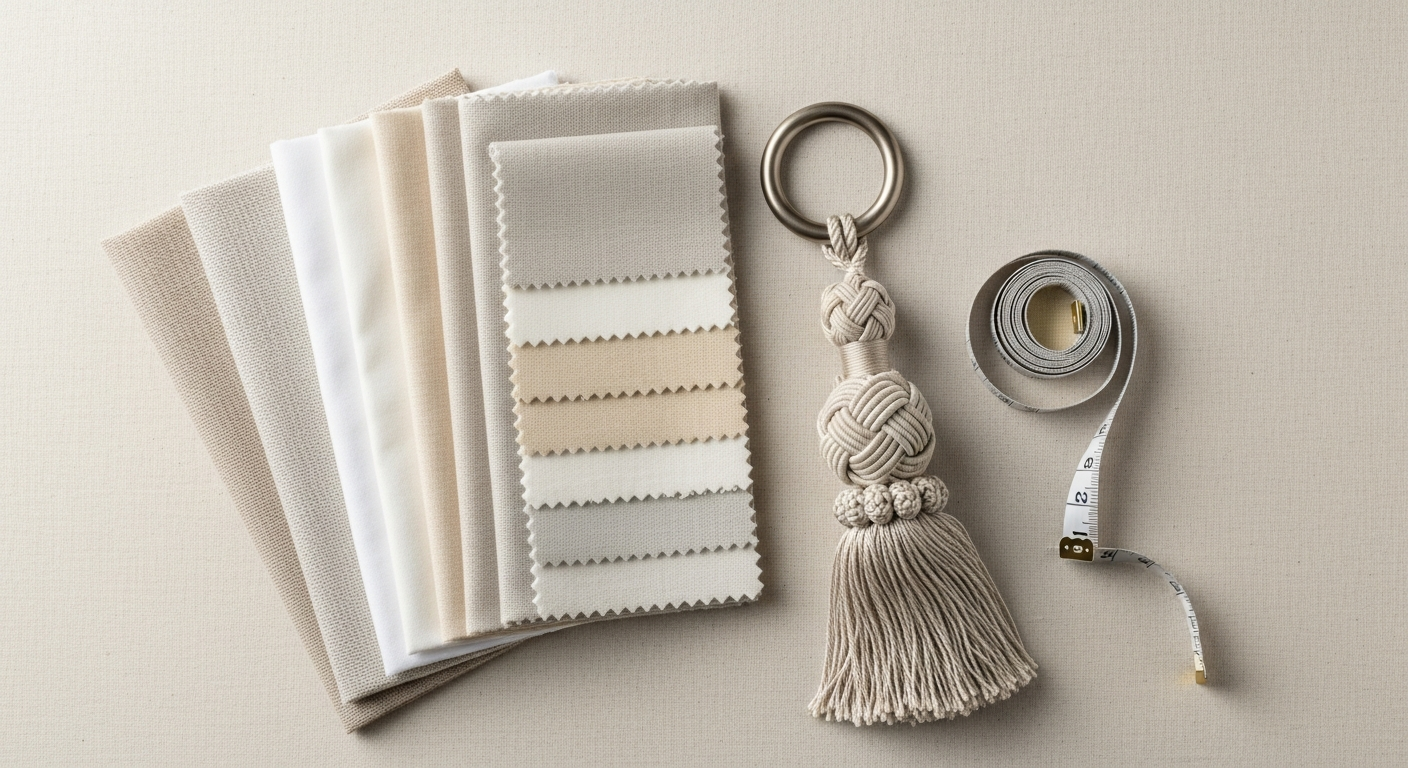
* Blending In (Subtle Elegance): For a serene and cohesive look, choose curtains that are a few shades lighter or darker than your wall color, or match them precisely. This creates a continuous flow, making the room feel larger and more harmonious. Neutrals like creams, grays, beiges, and soft whites are timeless and incredibly versatile, allowing other elements in the room (like artwork or throw pillows) to shine.
* Pop of Color (Statement Maker): Want your windows to be a focal point? Select a color that contrasts beautifully with your walls but ties into other accents in the room – perhaps a shade from a favorite rug, a piece of art, or upholstery. A rich jewel tone like emerald green or sapphire blue can add drama and sophistication, while a sunny yellow or soft coral can bring warmth and cheer.
* Consider the Light: Lighter colors will reflect more light, making a room feel brighter and more open. Darker colors will absorb light, creating a cozier, more intimate atmosphere. Think about the amount of natural light your room receives and how you want to enhance or balance it.
Embracing Pattern:
* Solid (Classic & Versatile): Solid-colored curtains are a safe and stylish choice that will never go out of fashion. They allow you to play with texture and hardware without overwhelming the space, and they provide a calm backdrop if your furniture or rug already features a bold pattern.
* Subtle Textures: Even solids can have personality! Look for fabrics with interesting weaves like slubby linen, chunky knits, or subtle jacquards. These add depth and visual interest without introducing a competing pattern.
* Making a Statement with Pattern:
* Geometric: Stripes, chevrons, trellises – these can add a modern, architectural feel and visual energy. Vertical stripes can make ceilings appear taller.
* Floral: From delicate botanicals to bold chintz, florals bring a touch of nature and romance. They can range from traditional to contemporary, depending on the scale and color palette.
* Abstract/Ikat: For a more artistic or bohemian vibe, abstract patterns or global-inspired ikats can be truly captivating.
* Scale Matters: When choosing a pattern, consider the size of your room. A large, bold pattern can be stunning in a spacious room, while a smaller, more delicate pattern might be better suited for a cozier space to avoid overwhelming it. If you have patterned wallpaper or furniture, choose a curtain pattern that complements rather than competes – sometimes a solid or subtle texture is best.
Defining Your Style:
Your curtains are an extension of your home’s narrative.
* Modern Farmhouse: Think crisp white cotton, natural linen, or subtle ticking stripes. Simple grommet or back tab headers create a relaxed, clean-lined look.
* Classic/Traditional: Elegant velvet, luxurious silk, or intricate damasks with pinch pleats. Rich colors and elaborate finials complete the picture.
* Bohemian: Sheer, layered fabrics, macrame details, or global-inspired patterns. A mix of textures and natural fibers creates an eclectic, free-spirited haven.
* Minimalist: Simple, unadorned panels in solid, neutral colors. Grommet or clean back-tab headers, focusing on clean lines and understated elegance.
Let your curtains tell a story that resonates with your personal aesthetic, whether it’s understated elegance or a joyful burst of color!
Room by Room: Tailoring Treatments to Specific Needs
Just as you wouldn’t wear the same outfit to a garden party and a formal gala, different rooms in your home have different needs and aesthetic expectations for their window treatments. Let’s walk through them!
The Living Room: Where Ambiance Reigns
Your living room is often the heart of your home, where memories are made and guests are welcomed with Southern hospitality. Here, curtains should enhance comfort, style, and conversation.
* Aesthetic Focus: This is a prime spot for making a design statement. Consider luxurious drapes in velvet or faux silk, or elegant linen panels with beautiful drape. Layering sheers under heavier drapes offers versatility – filter light during the day, enjoy privacy at night.
* Length: Always aim for floor-length, or even a slight puddle, to create a sense of grandeur and sophistication.
* Color/Pattern: This is where you can introduce a subtle pattern or a pop of color that ties into your overall decor. If your living room is open concept, ensure your choices here coordinate with adjacent spaces.
* Hardware: Opt for decorative rods and finials that complement your chosen style, adding another layer of visual interest.
The Bedroom: Your Sanctuary of Rest
Privacy, darkness, and tranquility are paramount in the bedroom. Your curtains should facilitate a restful environment.
* Functionality First: Blackout lining is almost a non-negotiable for most bedrooms, ensuring deep sleep and privacy. Thermal lining is also a smart choice for insulation.
* Fabric: Soft, calming fabrics like cotton, linen, or velvet in soothing colors create a serene atmosphere. Avoid overly busy patterns that might feel stimulating.
* Length: Floor-length is ideal for maximum light block and a cohesive look.
* Style: Choose header styles that offer good coverage when closed, like pinch pleats or grommets. Consider layering sheers if you enjoy soft light during the day but need full darkness at night.
The Dining Room: Elegant Gatherings
The dining room often calls for a more formal or refined approach, setting the stage for delightful meals and cherished conversations.
* Elegance is Key: Heavier drapes in silk, faux silk, or velvet in rich colors can elevate the space. Pinch pleats or goblet pleats enhance the formal feel.
* Length: Floor-length or a sophisticated puddle is most appropriate.
* Pattern/Color: This is a wonderful place to introduce a classic pattern like a subtle damask, stripe, or a refined floral. Alternatively, solid drapes in a deep, saturated color can add drama.
* Consider Light: While privacy isn’t always a top concern during the day, you might appreciate light-filtering qualities for evening meals to create a cozy glow.
The Kitchen & Bathroom: Practicality Meets Charm
These utility-focused rooms require window treatments that are durable, easy to clean, and provide privacy without sacrificing light.
* Kitchen:
* Café Curtains: An excellent choice for kitchens, providing privacy at eye level while allowing sunlight to stream in from above.
* Fabric: Washable cotton or polyester blends are ideal, as they can withstand splashes and smells. Avoid heavy, luxurious fabrics.
* Length: Sill-length or apron-length is practical to keep fabrics away from sinks and counters.
* Style: Simple rod pockets or tie-backs for a charming, relaxed look.
* Bathroom:
* Privacy is Paramount: Opaque fabrics are essential. Consider a moisture-resistant polyester blend or a treated cotton.
* Length: Sill-length is usually best.
* Style: Café curtains, Roman shades, or even simple roller blinds paired with a decorative valance can work well. Ensure they can withstand humidity.
The Home Office: Focus & Inspiration
Your home office needs to inspire productivity while managing light and privacy.
* Balance Light & Privacy: You’ll want good light control to prevent glare on screens, but also enough natural light to boost mood. Layering drapes over blinds or shades (like cellular or roller shades) offers the most flexibility.
* Fabric: Mid-weight cotton or linen blends are good choices, offering a professional yet comfortable feel.
* Color/Pattern: Opt for calming, sophisticated colors and subtle patterns that won’t be distracting.
* Style: Clean lines, like grommet or back-tab panels, contribute to an organized, focused environment.
By considering the unique demands of each room, you can ensure your window treatments are not only beautiful but also perfectly functional for the way you live.
The Finishing Touches: Hardware and Accessories
Just like a beautiful necklace completes an outfit, the right hardware and accessories are the unsung heroes that elevate your curtains from mere fabric to a polished design statement. Don’t underestimate their power to add character and functionality!
Curtain Rods: The Backbone of Your Design
The rod you choose sets the stage for your curtains’ style.
* Material Matters:
* Metal Rods: Come in a vast array of finishes – brushed nickel, antique brass, matte black, polished chrome, oil-rubbed bronze. They offer a sleek, modern, or industrial look depending on the finish and design. Perfect for contemporary, minimalist, or industrial farmhouse aesthetics.
* Wood Rods: Bring warmth and a classic, traditional, or rustic feel. Available in various stains from light oak to rich mahogany. Ideal for traditional, farmhouse, or transitional homes.
* Diameter: The thickness of the rod should be proportionate to the weight and fullness of your curtains. Heavier drapes need a thicker, sturdier rod (1.5-2 inches in diameter) to prevent sagging, while lighter curtains can use a thinner rod (0.75-1 inch).
* Finishes: Match your rod’s finish to other metal elements in the room (light fixtures, furniture hardware) for a cohesive look, or intentionally contrast for a deliberate design choice.
Finials: The Decorative Ends
Finials are the decorative caps that adorn the ends of your curtain rod, offering a wonderful opportunity to add a touch of personality.
* Variety is Key: From simple ball shapes to ornate fluted designs, crystal spheres, or even quirky animal motifs, finials come in endless styles.
* Complement, Don’t Compete: Choose finials that complement the overall style of your curtains and room. A minimalist room might call for simple, understated finials, while a traditional space could embrace more elaborate, decorative ones.
Rings, Hooks, and Tie-Backs: Function Meets Flair
These smaller details play a big role in both aesthetics and practicality.
* Rings and Hooks: If your curtains aren’t a grommet or rod-pocket style, rings with clips or hooks are essential for hanging. They allow your curtains to glide effortlessly along the rod, making opening and closing a breeze. Choose rings that match your rod’s finish.
* Tie-Backs and Holdbacks: These accessories literally hold your curtains open, creating an elegant frame around the window and allowing more light in.
* Tie-backs: Made of fabric, rope, or decorative cords, they wrap around the curtain panel and are often secured to a hook on the wall. They offer a softer, more traditional look.
* Holdbacks: Fixed decorative elements (often metal arms or hooks) mounted to the wall, which the curtain panel is simply pulled behind. They provide a more structured, tailored appearance.
* Consider their Placement: Tie-backs are typically positioned one-third of the way up from the bottom of the curtain for a classic look, but experimenting can create different visual effects.
By paying attention to these finishing touches, you not only ensure the smooth operation of your window treatments but also add layers of beautiful detail that speak volumes about your home’s refined style.
Embrace Your Inner Designer!
And there you have it, dear friends – a comprehensive guide to navigating the beautiful world of curtains and drapes! From understanding the nuances of fabric and function to mastering the art of measurement and selecting those perfect finishing touches, you now have the tools and inspiration to transform your windows into stunning focal points.
Remember, your home is a reflection of you, and every choice you make, no matter how small, contributes to its unique story. Don’t be afraid to experiment, to layer, and to infuse your personal style into every fold and pleat. Whether you’re seeking cozy warmth, elegant privacy, or a vibrant pop of color, the right window treatments are waiting to elevate your space. So go forth, measure with confidence, choose with joy, and let your windows truly sing! We can’t wait to see the beautiful spaces you create.
“`json
{
“@context”: “https://schema.org”,
“@graph”: [
{
“@type”: “Article”,
“mainEntityOfPage”: {
“@type”: “WebPage”,
“@id”: “https://www.rocksaltplum.com/blog/choosing-curtains-drapes-every-room”
},
“headline”: “The Ultimate Guide to Choosing Curtains and Drapes for Every Room in Your Home”,
“image”: [
“https://www.rocksaltplum.com/images/curtains-drapes-hero.jpg”,
“https://www.rocksaltplum.com/images/curtains-drapes-livingroom.jpg”,
“https://www.rocksaltplum.com/images/curtains-drapes-bedroom.jpg”
],
“datePublished”: “2024-04-23T08:00:00+08:00”,
“dateModified”: “2024-04-23T09:30:00+08:00”,
“author”: {
“@type”: “Person”,
“name”: “Rock Salt Plum Editor”
},
“publisher”: {
“@type”: “Organization”,
“name”: “Rock Salt Plum”,
“logo”: {
“@type”: “ImageObject”,
“url”: “https://www.rocksaltplum.com/images/rocksaltplum-logo.png”
}
},
“description”: “A comprehensive, practical guide from Rock Salt Plum on how to choose curtains and drapes for every room in your home. Learn about fabric, function, style, measuring, and room-specific tips to elevate your interior design.”
},
{
“@type”: “FAQPage”,
“mainEntity”: [
{
“@type”: “Question”,
“name”: “Can I mix different curtain styles in an open-concept living space?”,
“acceptedAnswer”: {
“@type”: “Answer”,
“text”: “Absolutely! While consistency across an open-concept area can create cohesion, you can certainly mix styles with thoughtful coordination. For example, you might use a heavier drape in the living area for a formal touch and a complementary lighter sheer or Roman shade in the dining area. The key is to maintain a consistent color palette, fabric family (e.g., all natural fibers), or hardware finish to ensure the spaces feel connected rather than disjointed.”
}
},
{
“@type”: “Question”,
“name”: “How do I properly clean my curtains and drapes?”,
“acceptedAnswer”: {
“@type”: “Answer”,
“text”: “Always, always check the care label first! Natural fibers like linen and cotton often tolerate gentle machine washing on a delicate cycle with cold water, but may require ironing. Silk and velvet typically require professional dry cleaning to maintain their integrity and prevent shrinking or damage. For general maintenance, regular vacuum