












Unveiling the World of Gourmet Chocolate Tasting and Artisan Confections
The term “gourmet chocolate” signifies a departure from mass-produced confectionery. It points to a product crafted with superior cocoa beans, often single-origin or carefully blended, processed with meticulous attention to detail, and without excessive additives. Think of it as the difference between a mass-market wine and a single-vineyard varietal – both are wine, but one offers a depth of character and story that the other simply cannot. A true gourmet chocolate bar is a testament to the chocolatier’s skill, highlighting the inherent flavors of the cocoa bean itself, from earthy and nutty to fruity and floral.
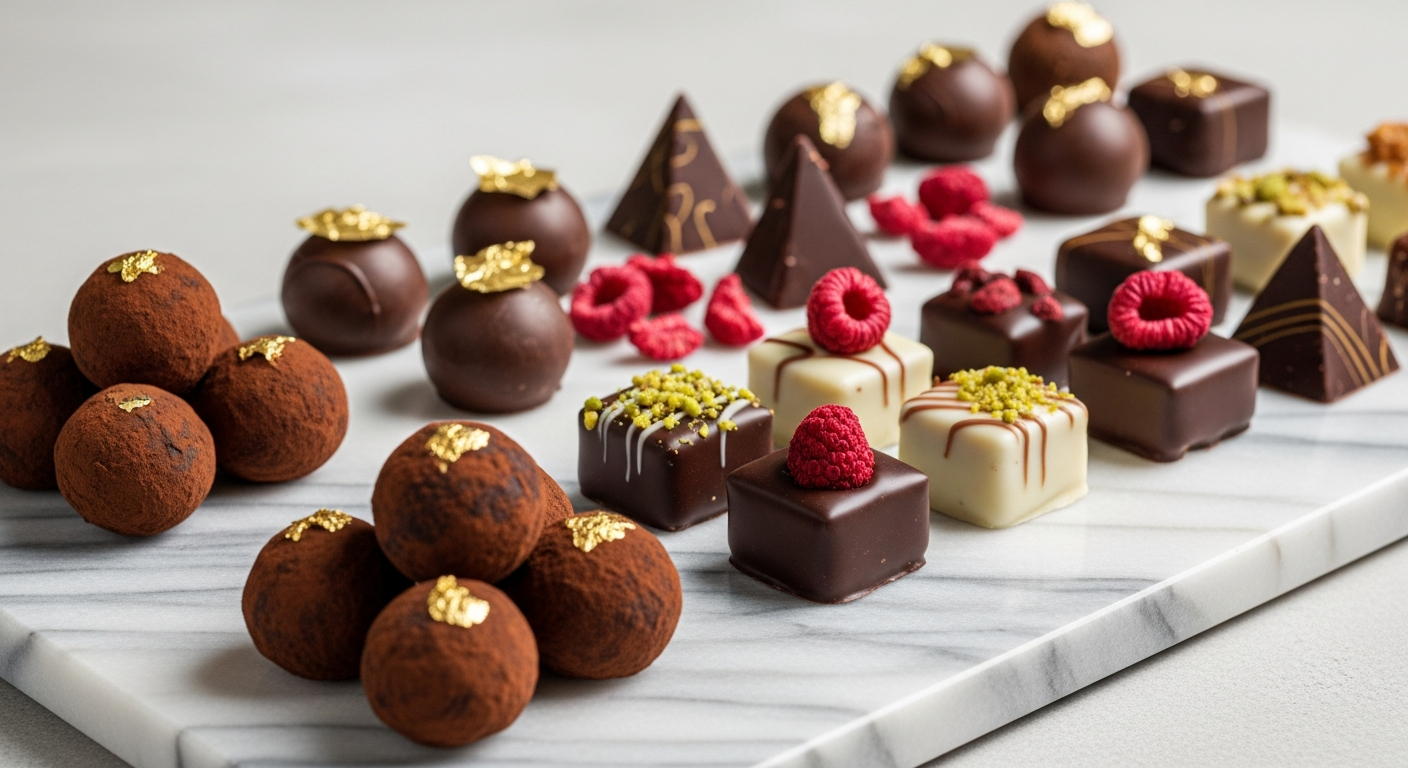
Then we have the exquisite universe of artisan confections. These are the jewel-like creations that often steal the show: truffles, bonbons, mendiants, pralines, barks, and more. Each is a miniature work of art, painstakingly handmade by skilled artisans who combine high-quality chocolate with an array of complementary ingredients like fresh cream, exotic fruits, nuts, spices, and liqueurs. Unlike their factory-made counterparts, artisan confections prioritize quality, balance, and often, unique flavor combinations that challenge and delight the palate. They are designed not just to satisfy a sweet craving, but to evoke a moment of pure indulgence and sensory exploration.
Understanding the distinction between these categories is the first step in truly appreciating a gourmet chocolate tasting experience. It’s about seeking out producers who are passionate about their craft, who source ethically, and who prioritize flavor integrity above all else. Brands like Valrhona, known for their exceptional couverture, or smaller, independent bean-to-bar makers are excellent starting points for exploring the authentic taste of cocoa. When you choose artisan confections, you’re often supporting local businesses and experiencing unique flavor profiles that reflect the chocolatier’s personal vision and creativity. This guide aims to help you navigate this exciting landscape, offering insights into what to look for, how to taste, and how to create memorable moments around these delectable treats.
The Essential Elements of a Successful Gourmet Chocolate Tasting Experience
Embarking on a gourmet chocolate tasting journey is an adventure for the senses, and like any good adventure, preparation is key. To truly appreciate the nuances of each piece, you’ll want to set the stage for optimal enjoyment. This involves more than just opening a box; it’s about creating an environment that allows the chocolate to shine and your palate to be receptive.
Optimal Conditions for Your Palate and Environment
- Room Temperature: Chocolate is best tasted at room temperature, ideally between 68-72°F (20-22°C). If it’s too cold, its flavors will be muted and its texture overly firm. If it’s too warm, it will melt too quickly, losing its snap and potentially developing a greasy mouthfeel. Allow any refrigerated chocolate to come to temperature for at least 30 minutes before tasting.
- Neutral Palate: Before you begin, and between each sample, cleanse your palate. Plain water is essential. Unsalted crackers, slices of green apple, or even a simple piece of plain bread can also help reset your taste buds, ensuring you can discern the unique characteristics of each chocolate without lingering flavors from the previous one.
- Lighting and Ambiance: Good natural light is ideal for observing the chocolate’s appearance. Choose a quiet, comfortable space free from strong competing aromas (like perfume, coffee, or cooking smells) that could interfere with your ability to smell the chocolate’s delicate bouquet.
Selecting Your Chocolates and Confections
For a comprehensive gourmet chocolate tasting, aim for variety. Consider including:
- Single-Origin Bars: These highlight beans from a specific region, showcasing distinct terroir. For example, a bar from Madagascar might be fruity and bright, while one from Ecuador could be nutty and earthy.
- Different Cocoa Percentages: Compare a 60% dark chocolate with a 75% or even 85% bar. Note how the bitterness, sweetness, and complexity change.
- Milk and White Chocolates: Don’t overlook these! High-quality milk chocolate can be incredibly creamy and complex, while well-made white chocolate, though technically not “chocolate” as it contains no cocoa solids, offers its own delightful profile of vanilla and cocoa butter.
- Inclusion Bars: These feature additions like sea salt, nuts, dried fruit, or spices. They offer an extra layer of flavor and texture.
- Artisan Confections: A selection of truffles, bonbons, and pralines adds an exciting dimension. Look for a range of fillings – ganache, caramel, fruit purées, nuts – to explore different textures and flavor combinations. For instance, a classic dark chocolate truffle from a reputable local chocolatier might offer a rich, smooth ganache, while a bonbon could surprise you with a burst of passionfruit or a spicy chili kick.
When selecting, don’t be afraid to read labels. Look for minimal ingredients, ethically sourced cocoa, and high cocoa butter content. Brands like Dandelion Chocolate or Mast Brothers are examples of bean-to-bar makers focusing on quality and origin, while local chocolatiers often excel in crafting unique artisan confections.
The Five Senses of Chocolate Appreciation: The Tasting Ritual
Once your chocolates are selected and your environment is prepped, it’s time for the ritual itself. A proper gourmet chocolate tasting engages all your senses in a delightful dance:
- See (Visual Assessment): Before you taste, look at the chocolate. Does it have a smooth, glossy sheen? Is its color consistent? High-quality chocolate should appear uniform, without streaks or bloom (a whitish film caused by temperature fluctuations, though not harmful). Artisan confections often boast intricate designs or a perfect, delicate shell.
- Smell (Aroma): Break a piece and bring it close to your nose. Inhale deeply. What do you detect? Common aromas include fruity notes (berries, citrus), floral (jasmine, rose), nutty (almond, hazelnut), earthy (mushroom, tobacco), woody, spicy, or even caramel and vanilla. The aroma gives a significant preview of the flavor journey.
- Snap (Auditory & Tactile): Gently break a piece of the chocolate. Good quality, well-tempered dark chocolate should emit a crisp, clean snap. This indicates proper crystallization of the cocoa butter, contributing to a pleasing mouthfeel. Milk and white chocolates will have a softer snap. For confections, you might hear a delicate crack of the shell.
- Melt & Savor (Taste & Texture): This is the heart of the tasting. Place a small piece on your tongue and allow it to melt slowly. Do not chew immediately. Notice the texture – is it smooth and velvety, or slightly grainy? As it melts, what flavors emerge? Do they evolve? You might notice initial flavors (top notes), mid-palate flavors, and a lingering finish. Good chocolate melts evenly and smoothly.
- Finish (Aftertaste): Once the chocolate has melted, pay attention to the lingering flavors in your mouth. Is the finish clean or cloying? How long do the pleasant notes persist? A long, pleasant finish is a hallmark of high-quality chocolate.
Repeat this process for each chocolate, cleansing your palate between samples. Take notes if you wish – what you liked, what you didn’t, and why. This systematic approach transforms eating chocolate into a truly mindful and enriching gourmet chocolate tasting experience.
Curating Your Collection: Discovering Exceptional Artisan Chocolatiers and Confections
Building a collection of exquisite gourmet chocolate and artisan confections is a delightful pursuit, much like curating a fine wine cellar or an impressive art collection. It’s about seeking out the best, understanding what makes them special, and knowing where to find these edible treasures. The journey of discovery is part of the pleasure, and with a few pointers, you’ll soon become an adept connoisseur.
Where to Find Your Next Favorite Indulgence
- Local Artisan Chocolatiers: Start in your own community! Many towns and cities boast independent chocolatiers who craft incredible bonbons, truffles, and bars. They often use local ingredients, offer unique seasonal flavors, and provide a personal touch you won’t find elsewhere. A quick online search for “artisan chocolate near me” can reveal hidden gems.
- Specialty Food Stores: Upscale grocery stores and gourmet food shops are excellent sources for high-quality chocolate bars from around the world. Look for dedicated chocolate aisles featuring brands like Amedei, Michel Cluizel, or Scharffen Berger, known for their bean-to-bar efforts and commitment to quality.
- Online Retailers & Subscription Boxes: The internet opens up a world of possibilities. Many artisan chocolatiers have online shops, allowing you to discover unique creations from across the globe. Chocolate subscription boxes are also a fantastic way to regularly receive curated selections of gourmet chocolates and artisan confections, exposing you to new brands and flavor profiles you might not encounter otherwise.
- Farmers’ Markets and Craft Fairs: These venues are often where emerging artisan chocolatiers test their creations. It’s a wonderful opportunity to meet the makers, learn about their process, and sample their wares directly.
What to Look For in Quality Artisan Confections
When you’re choosing artisan confections, here are some hallmarks of quality:
- Ingredients List: Simplicity is key. Look for natural ingredients, fresh cream, real fruit purees, and high-quality chocolate (cocoa mass, cocoa butter, sugar, lecithin, vanilla). Avoid artificial flavors, excessive stabilizers, or hydrogenated oils.
- Appearance: A well-made bonbon or truffle will have a smooth, glossy, unblemished surface. Hand-painted designs should be clean and vibrant.
- Texture: The shell of a bonbon should be thin and crisp, giving way to a smooth, luscious filling. Truffles should have a melt-in-your-mouth ganache.
- Flavor Balance: The flavors should be harmonious, with the chocolate complementing the filling rather than being overwhelmed by it. You should be able to taste distinct notes, whether it’s a hint of sea salt, the brightness of raspberry, or the warmth of a spice.
Don’t be afraid to ask questions! Reputable chocolatiers are passionate about their craft and happy to share details about their sourcing, ingredients, and processes. This engagement enriches your understanding and appreciation of each piece.
Explore different types of artisan confections:
- Truffles: Often a rich ganache center dusted with cocoa powder or coated in chocolate. Classic, decadent, and melt-in-your-mouth.
- Bonbons: Small, often colorful, chocolate-shelled confections with various fillings (caramel, fruit ganache, nut pralines, liqueurs). Each is a surprise.
- Pralines: A European specialty, featuring nuts (often hazelnuts or almonds) caramelized and ground into a paste, then enrobed in chocolate.
- Mendiants: Chocolate discs adorned with nuts and dried fruit, reminiscent of stained glass. Simple yet elegant.
- Barks: Thin sheets of tempered chocolate studded with anything from nuts and dried fruits to pretzels and spices. A textural delight.
Curating your collection is a journey of personal taste and discovery. Embrace the exploration, and you’ll soon identify the artisan chocolatiers and confections that resonate most deeply with your palate.
Elevating Your Experience: Perfect Pairings for Gourmet Chocolate and Confections
Just as a fine wine finds its ideal companion in a carefully chosen meal, gourmet chocolate and artisan confections can be elevated to new heights when paired thoughtfully with other foods and beverages. This art of pairing enhances flavors, creates intriguing contrasts, and transforms a simple treat into a sophisticated sensory event. Think of it as composing a symphony for your taste buds, where each element plays a crucial role.
Beverage Pairings: Sip and Savor
- Wine:
- Red Wine: Dark chocolates (especially those with fruity or earthy notes) often pair beautifully with full-bodied reds like Zinfandel, Cabernet Sauvignon, or a rich Merlot. For chocolates with higher cocoa percentages, consider sweeter fortified wines like Port or a Banyuls, which can stand up to the intensity.
- Sparkling Wine: A dry Prosecco or Champagne can offer a delightful contrast to milk or white chocolate, cutting through the richness with its acidity and effervescence.
- Dessert Wines: Sweet dessert wines like Sauternes or Riesling can complement fruit-filled artisan confections or lighter milk chocolates.
- Coffee: A classic pairing! The bitterness and roast notes of coffee can wonderfully balance the sweetness of chocolate. Experiment with different roasts – a dark roast might complement a robust dark chocolate, while a lighter roast could highlight the subtleties of a milk chocolate or a delicate bonbon.
- Tea: Herbal teas, black teas, and even some green teas can be fantastic companions. A smoky Lapsang Souchong might pair intriguing with a very dark chocolate, while a fragrant Earl Grey could enhance a citrus-infused bonbon. Matcha offers a unique, earthy counterpoint.
- Spirits:
- Whiskey/Bourbon: The caramel and vanilla notes in many whiskeys harmonize beautifully with dark chocolate, especially those with nutty or coffee undertones.
- Brandy/Cognac: These aged spirits can bring out the depth in complex artisan truffles or very dark, intense chocolate bars.
- Liqueurs: Orange liqueurs (like Grand Marnier), raspberry liqueurs, or even a creamy Irish cream can be delightful with appropriate chocolate pairings.
Food Pairings: A Culinary Adventure
Don’t limit your gourmet chocolate tasting to just sweets! Savory elements can provide exciting contrasts and highlight unexpected flavors.
- Cheese: Yes, cheese and chocolate! This pairing might sound unconventional, but it can be incredibly rewarding.
- Blue Cheese: The pungent, salty notes of a blue cheese (like Roquefort or Gorgonzola) are surprisingly delicious with a rich, fruity dark chocolate.
- Aged Cheddar: The sharp, nutty flavors of an aged cheddar can complement a milk chocolate or a dark chocolate with caramel notes.
- Brie/Camembert: The creamy, earthy notes of these soft cheeses can be delightful with a variety of chocolates, especially those with berry or nutty inclusions.
This is a perfect opportunity to get creative! When planning your next gathering, consider adding a chocolate and cheese section to your Easy Charcuterie Board Ideas. It adds an unexpected layer of sophistication and delight for your guests.
- Fruit: Berries (raspberries, strawberries), cherries, figs, and citrus (orange zest, candied peel) are classic partners for chocolate. Their acidity and freshness cut through the richness and highlight fruity notes in the cocoa.
- Nuts: Almonds, hazelnuts, walnuts, and pecans are natural allies, providing texture and complementary nutty flavors.
- Spices & Herbs: Chili flakes, sea salt, cardamom, cinnamon, and even rosemary can create exciting flavor profiles when incorporated into or paired with chocolate. A dark chocolate infused with chili, for example, is a thrilling experience.
The key to successful pairing is experimentation. Start with small pieces and sips, allowing the flavors to meld and evolve on your palate. The goal is not for one element to overpower the other, but for them to create a harmonious and enhanced experience. Whether you’re hosting a sophisticated dinner party or simply enjoying a quiet evening at home, exploring these pairings will undoubtedly deepen your appreciation for gourmet chocolate and artisan confections.
Hosting Your Own Chocolate Tasting Event: A Guide to Sweet Gatherings
There’s immense joy in savoring gourmet chocolate and artisan confections personally, but sharing that joy with friends and family elevates the experience to an art form. Hosting your own chocolate tasting event is a wonderfully intimate and engaging way to introduce others to the nuances of fine chocolate. It’s a perfect idea for a cozy get-together, a unique dessert course, or even a fun twist on How to Host Brunch at Home by offering a chocolate tasting alongside pastries and coffee. Here’s how to plan an unforgettable sweet soirée.
Setting the Scene: Ambiance and Essentials
- Theme Your Tasting: A theme helps guide your selection and adds a fun element.
- Single Origin Exploration: Compare dark chocolates from different regions (e.g., Ecuador, Madagascar, Ghana).
- Cocoa Percentage Challenge: Taste bars with varying percentages (e.g., 60%, 75%, 85% dark).
- Artisan Confections Showcase: Feature a selection of truffles, bonbons, and caramels from one or several local chocolatiers.
- Flavor Profiles: Focus on nutty, fruity, spicy, or floral chocolates.
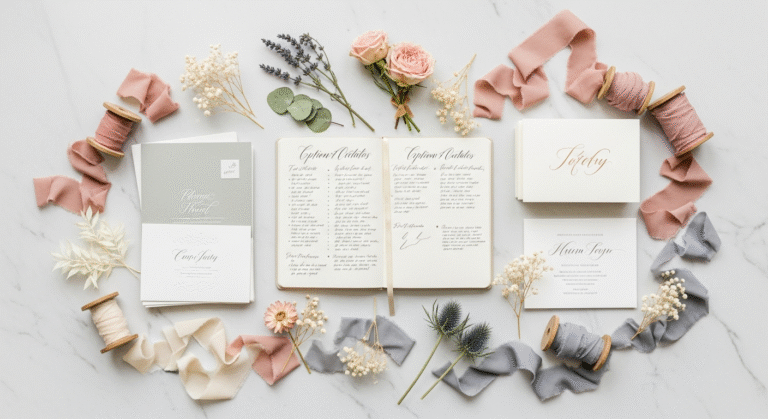
- Invitations: Send out invitations that hint at the delightful experience to come. Mention the focus on gourmet chocolate tasting and artisan confections.
- Ambiance: Create a comfortable, inviting atmosphere. Soft lighting, perhaps some gentle background music, and a room free of strong odors are ideal. Simple, elegant decor works best, allowing the chocolates to be the star.
- Presentation Matters: Arrange your chocolates beautifully on clean, simple platters or cutting boards. Label each chocolate clearly with its origin, cocoa percentage, or flavor profile. Small tongs or toothpicks can be helpful for guests to handle pieces without touching them directly.
- Palate Cleansers: Provide plenty of plain water, unsalted crackers, and perhaps some green apple slices. Small individual bowls for guests are a thoughtful touch.
- Tasting Notes Sheets: Offer guests a simple sheet or card to jot down their observations for each chocolate: appearance, aroma, snap, taste (initial, mid-palate, finish), and overall impression. This encourages mindful tasting and sparks conversation.
Guiding Your Guests Through the Tasting
As the host, you’ll act as a gentle guide through the gourmet chocolate tasting journey. No need to be a formal sommelier; your enthusiasm and knowledge are enough!
- Start Light, End Rich: Generally, begin with chocolates that have lower cocoa percentages (milk chocolate, then lighter darks) and progress to higher percentages and more intense flavors. For artisan confections, start with simpler flavors before moving to more complex or spiced ones.
- Explain the Process: Briefly walk your guests through the “See, Smell, Snap, Melt & Savor, Finish” ritual. Encourage them to take their time with each piece.
- Facilitate Discussion: Ask open-ended questions: “What aromas do you detect?” “How does the texture feel as it melts?” “Do you notice any fruity or nutty notes?” This helps guests articulate their experiences and discover new dimensions.
- Share Information: Briefly share interesting facts about each chocolate – its origin, the chocolatier, or unique ingredients. This adds depth to the experience.
- Offer Pairings: As mentioned in the previous section, introduce a few thoughtful pairings. A small selection of cheeses, berries, or a complementary beverage (like coffee or a suitable wine) can elevate the tasting.
Making it Memorable: Extra Touches
- Favors: Consider sending guests home with a small, beautifully wrapped artisan bonbon or a mini gourmet chocolate bar as a thank-you.
- Interactive Elements: You could have a “guess the origin” game for single-origin bars or a “blind tasting” for fun.
- Chocolate Desserts: Beyond the tasting, you might serve a dessert that incorporates some of the featured chocolates, like a flourless chocolate cake or a rich mousse. This could tie into your Holiday Entertaining Tips for a festive dessert spread.
Hosting a gourmet chocolate tasting is not just about eating chocolate; it’s about creating an experience that engages the senses, sparks conversation, and fosters connection. It’s a celebration of craftsmanship, flavor, and the simple pleasure of sharing something truly special.
Preserving the Perfection: Storing Your Gourmet Chocolates and Confections
After carefully selecting and perhaps even crafting your collection of gourmet chocolate and artisan confections, the last thing you want is for them to lose their exquisite flavor or texture. Proper storage is paramount to maintaining their quality and ensuring that every bite is as intended by the chocolatier. Chocolate is a delicate product, sensitive to temperature, humidity, light, and air. Understanding these vulnerabilities will help you preserve its perfection.
The Enemies of Fine Chocolate
- Temperature Fluctuations: This is arguably the biggest culprit behind chocolate degradation. Rapid changes in temperature cause cocoa butter to migrate to the surface, resulting in “fat bloom” – a whitish, streaky film that affects appearance and texture (making it crumbly or grainy), though it’s still safe to eat.
- Excessive Heat: Above 75°F (24°C), chocolate can melt, losing its temper and developing a soft, greasy texture. Flavors can also degrade.
- High Humidity: Moisture is another foe. It can cause “sugar bloom” – a gritty, white coating that occurs when moisture condenses on the chocolate’s surface, dissolving sugar crystals which then recrystallize as the moisture evaporates. High humidity also encourages mold growth.
- Light: Direct sunlight or strong artificial light can cause chocolate to oxidize, leading to off-flavors (rancidity) and discoloration.
- Air/Odors: Chocolate readily absorbs odors from its environment. Storing it near strong-smelling foods (like onions or spices) can impart undesirable flavors. Exposure to air can also lead to oxidation and staleness.
Best Practices for Storing Gourmet Chocolate and Artisan Confections
- Cool, Dark, Dry Place: The ideal storage environment is a cool (between 60-70°F or 15-21°C), dark, and dry place with low humidity (below 50%). A pantry, cupboard, or a cool basement corner is often perfect.
- Airtight Containers: Always store chocolate in its original packaging if possible, or transfer it to an airtight container or a heavy-duty, sealable plastic bag. This protects it from odors, moisture, and air exposure.
- Avoid the Refrigerator (Generally): While many people instinctively put chocolate in the fridge, it’s generally not recommended for gourmet chocolate and artisan confections. The refrigerator is often too cold and too humid, leading to both fat and sugar bloom, and it can dull the flavors. If you live in a very hot and humid climate and absolutely must refrigerate, place the chocolate in an airtight container or double-bag it, then place it in the crisper drawer. When you take it out, let it come to room temperature slowly within its sealed container to prevent condensation from forming.
- Freezing for Long-Term Storage: For truly long-term storage (several months to a year), freezing can be an option, but it requires careful preparation.
- Wrap the chocolate tightly in plastic wrap, then place it in an airtight container or a freezer-safe bag.
- Place it in the refrigerator for a few hours to allow it to cool gradually.
- Then, transfer it to the freezer.
- To thaw, reverse the process: move it from the freezer to the refrigerator for 24 hours, then to room temperature while still in its sealed container. This slow thawing prevents condensation and bloom.
- Shelf Life:
- Dark Chocolate: If stored correctly, dark chocolate bars can last a year or even two, though peak flavor is typically within 6-12 months.
- Milk and White Chocolate: Due to their dairy content, these have a shorter shelf life, usually around 6 months to a year.
- Artisan Confections (Truffles, Bonbons): These often contain fresh cream, fruit purees, or other perishable ingredients and have the shortest shelf life. Depending on the filling, they might last anywhere from 1-2 weeks (for fresh ganaches or fruit-based fillings) to 3-4 weeks (for some caramels or nut-based fillings) at cool room temperature. Always check with the chocolatier for specific recommendations, and consume them quickly for the best experience.
By following these guidelines, you can ensure that your precious gourmet chocolate and artisan confections retain their intended beauty, aroma, and flavor, ready to delight your senses whenever you choose to indulge.
There’s a profound satisfaction in delving into the world of gourmet chocolate tasting and artisan confections. It’s more than just a sweet treat; it’s an exploration of craftsmanship, geography, and the exquisite alchemy that transforms humble cocoa beans into edible works of art. From the moment you unwrap a bar to the lingering finish of a complex bonbon, each step is an invitation to slow down, engage your senses, and truly savor. We hope this guide has inspired you to embark on your own chocolate adventures, whether that’s discovering a new favorite single-origin bar, seeking out a local artisan, or hosting a memorable tasting event for your loved ones. The world of fine chocolate is rich, diverse, and endlessly rewarding. So go ahead, indulge your curiosity, trust your palate, and let the magic of gourmet chocolate sweeten your life.
Frequently Asked Questions
Q: How long does gourmet chocolate typically last?
A: The shelf life of gourmet chocolate varies depending on its type and how it’s stored. Dark chocolate, when stored properly in a cool, dark, dry place, can last for a year or even two, though its peak flavor is usually within 6-12 months. Milk and white chocolates, due to their dairy content, have a shorter shelf life, typically 6 months to a year. Artisan confections like truffles and bonbons, which often contain fresh ingredients, are much more perishable and should ideally be consumed within 1-4 weeks, depending on their filling. Always check specific recommendations from the chocolatier.
Q: What’s the ideal temperature for tasting chocolate?
A: The ideal temperature for a gourmet chocolate tasting is generally room temperature, between 68-72°F (20-22°C). At this temperature, the chocolate’s flavors are most vibrant, its aromas are released effectively, and its texture (including the characteristic “snap” of dark chocolate) is at its best. If chocolate is too cold, its flavors will be muted, and if too warm, it will melt too quickly and become greasy.
Q: What’s the difference between a truffle and a bonbon?
A: While both are delicious artisan confections, truffles and bonbons have distinct characteristics. A truffle traditionally refers to a chocolate ganache center (a creamy mixture of chocolate and cream) that is rolled into a ball and often dusted with cocoa powder, nuts, or coated in a thin layer of chocolate. Bonbons, on the other hand, are typically small, bite-sized chocolates with a hard outer chocolate shell that encases various fillings, which can include ganache, caramel, fruit purees, nuts, or liqueurs. Bonbons are often intricately designed and hand-painted, showcasing the chocolatier’s artistry.
Q: Can I pair chocolate with savory foods?
A: Absolutely! Pairing gourmet chocolate with savory foods is a sophisticated and exciting way to enhance your tasting experience. Dark chocolate, in particular, pairs wonderfully with a variety of cheeses, such as pungent blues (Roquefort, Gorgonzola), sharp aged cheddars, or creamy bries. It can also complement cured meats on an Easy Charcuterie Board Ideas, or be used