










In a world buzzing with fast trends and fleeting fads, there’s a quiet revolution happening right in our homes. Women like you and I are seeking to infuse our living spaces with warmth, comfort, and character, but also with a deeper purpose. We want our homes to reflect our values – a place where self-care is nurtured, cherished moments with loved ones unfold, and the beauty of the earth is respected. Sustainable home decor isn’t about sacrificing style; it’s about elevating it with conscious choices that bring lasting joy and a sense of genuine connection.
Forget the notion that ‘eco-friendly’ means sacrificing aesthetics or breaking the bank. Today, sustainable decorating is synonymous with exquisite craftsmanship, timeless design, and unique personality. It’s about building a home that feels authentic, lived-in, and utterly “you.” In this comprehensive guide, we’ll explore beautiful, practical, and truly inspiring sustainable home decor ideas that will transform your space into a sanctuary of style and mindfulness. We’ll dive into the world of secondhand treasures, discover the magic of natural materials, explore the art of upcycling, and learn how to support artisans who share our commitment to a better world. Get ready to fall even more in love with your home, one thoughtful choice at a time.
Embrace the Beauty of Secondhand & Vintage Finds
There’s an undeniable charm to a piece that has lived a life before it found its way into your home. Each scuff, fade, or subtle imperfection tells a whispered story, adding layers of character and soul that brand-new items simply can’t replicate. Embracing secondhand and vintage items is one of the most delightful and impactful sustainable home decor ideas you can adopt. It’s a treasure hunt, a creative adventure, and a truly heartwarming way to reduce waste while creating a unique space.
The Thrill of the Hunt: Where to Find Your Next Treasure
- Thrift Stores & Charity Shops: These are goldmines for everything from beautiful vases and serving dishes to unique lamps and sturdy wooden frames. Visit regularly, as inventory changes constantly. You might find a set of amber-hued glasses perfect for your next gathering or a delicate embroidered linen that just needs a gentle wash to become a treasured table runner.
- Antique Malls & Boutiques: For a more curated selection, antique shops offer a higher likelihood of finding quality furniture, unique art, and decorative objects with a rich history. Look for solid wood pieces that can be easily refreshed, or unique ceramic pieces that add an artisanal touch.
- Estate Sales: These can be absolute gems! You’re often buying directly from a home, meaning you’ll find entire collections of furniture, art, kitchenware, and textiles. Be prepared to haggle a little and envision the potential. Imagine finding a timeless armchair that just needs new upholstery or a collection of vintage botanical prints waiting to be framed.
- Online Marketplaces: Platforms like Facebook Marketplace, Craigslist, Etsy (for vintage), and local online classifieds are fantastic for finding pieces nearby. Be specific in your searches (e.g., “mid-century dresser,” “brass floor lamp”) and don’t be afraid to ask sellers questions about condition.
Seeing Potential: Tips for Shopping Secondhand
- Look Past the Surface: A dusty, forgotten piece often hides incredible potential. Can that scratched wooden table be sanded and refinished? Could that dated armchair be transformed with new fabric? Focus on the bones, the craftsmanship, and the overall shape.
- Measure, Measure, Measure: Always bring your measuring tape! Know the dimensions of the space you’re looking to fill. There’s nothing more disappointing than falling in love with a piece only to find it doesn’t fit.
- Check for Quality: For furniture, look for solid wood construction, dovetailed drawers, and sturdy joints. For textiles, check for rips, stains, or excessive wear. Quality craftsmanship often stands the test of time, making vintage pieces surprisingly durable.
- Mix and Match: Don’t feel pressured to create a perfectly period-specific room. The beauty of vintage is how it blends seamlessly with modern pieces, adding depth and personality. A sleek contemporary sofa can look stunning with a vintage coffee table and an antique mirror.
By choosing secondhand, you’re not only giving a beautiful item a second life and diverting it from a landfill, but you’re also infusing your home with stories and character that truly make it your own. It’s a deeply personal and meaningful way to decorate.
Conscious Choices: Opting for Eco-Friendly Materials
Nurturing Nature with Sustainable Materials
When selecting new items, consider their journey from raw material to your living room. Here are some materials to prioritize:
- Natural Fibers & Textiles:
- Organic Cotton: Grown without harmful pesticides, making it healthier for farmers, the earth, and your home. Look for bedding, towels, and decorative pillows.
- Linen: Made from flax, linen is incredibly durable, breathable, and requires less water and fewer pesticides to grow than cotton. Its naturally relaxed texture adds an elegant, airy feel to curtains, tablecloths, and upholstery.
- Hemp: A rapidly renewable resource, hemp is strong, grows quickly, and requires minimal water. It’s an excellent choice for rugs, upholstery, and even some wall coverings.
- Jute & Sisal: These natural plant fibers are fantastic for durable, textured rugs and baskets. They add warmth and an organic, earthy feel to any room.
- Wool: A renewable and biodegradable fiber, wool is naturally fire-resistant and incredibly durable. Opt for ethically sourced wool for blankets, throws, and rugs.
- Avoid: Synthetic fabrics like polyester, nylon, and acrylic, which are petroleum-based and can shed microplastics.
- Sustainably Sourced Wood:
- FSC-Certified Wood: The Forest Stewardship Council (FSC) certification ensures wood comes from responsibly managed forests. This is crucial for furniture, shelving, and wooden decorative objects.
- Reclaimed & Salvaged Wood: Wood repurposed from old barns, factories, or demolished buildings has a unique history and keeps waste out of landfills. It’s perfect for rustic statement pieces like dining tables, mantels, or accent walls.
- Bamboo: Technically a grass, bamboo is one of the fastest-growing plants on Earth, making it a highly renewable resource. It’s durable and can be found in flooring, cutting boards, and decorative accents.
- Recycled & Repurposed Materials:
- Recycled Glass: Beautiful glassware, vases, and even decorative tiles can be made from recycled glass, often with charming natural imperfections.
- Recycled Metal: Industrial-style lighting, sculptures, and furniture often incorporate recycled metals.
- Recycled Plastic (RPET): While we generally advocate for natural materials, innovations in recycled plastic are creating surprisingly beautiful and durable outdoor rugs and textiles, offering an alternative to virgin plastics.
- Low-VOC & Natural Paints:
- Volatile Organic Compounds (VOCs) found in conventional paints can release harmful toxins into your home. Choose low-VOC or zero-VOC paints to ensure healthier air quality. Many brands now offer beautiful, durable, and eco-friendly options in a vast array of colors.
- Consider milk paints or clay paints for an even more natural and historical finish, perfect for breathing new life into a vintage dresser.
By thoughtfully choosing materials, you’re not just decorating; you’re building a healthier, more beautiful, and truly sustainable home, one piece at a time.
The Art of Upcycling & DIY: Giving New Life to Old Treasures
One of the most creative and fulfilling sustainable home decor ideas is embracing the art of upcycling and DIY. It’s about seeing potential where others see discard, transforming forgotten items into cherished centerpieces, and infusing your home with your own unique personality. There’s immense satisfaction in knowing you’ve breathed new life into something, all while minimizing waste and saving resources.
Unleashing Your Inner Creator: Practical Upcycling Projects
- Furniture Flips:
- Paint Power: A fresh coat of low-VOC paint can completely transform an old dresser, side table, or chair. Experiment with different colors, two-tone effects, or even a distressed finish for a rustic charm. Imagine turning a dark, heavy cabinet into a light, airy piece with a soft sage green or creamy off-white paint.
- Hardware Heroics: Swapping out old, dated knobs and pulls for new, elegant hardware (think brass, ceramic, or leather pulls) instantly elevates a piece of furniture. It’s a small change with a huge impact.
- Upholstery Refresh: An old chair with good bones but tired fabric can be re-upholstered with a beautiful, durable linen or organic cotton. This is a slightly more ambitious project, but the result is a custom, high-end piece that perfectly matches your aesthetic.
- Decorative Details with a Difference:
- Jar & Bottle Vases: Collect beautiful glass bottles and jars (from olive oil, specialty drinks, perfume, etc.) and use them as unique vases for single stems or small arrangements. Group different shapes and sizes for a charming display.
- Bookscapes: Stack old hardcover books horizontally or vertically to create risers for plants, candles, or small decorative objects. Look for books with beautiful covers or interesting spines at thrift stores.
- Fabric Scraps & Remnants: Don’t toss those fabric offcuts! Use them to make small decorative pillows, sachets, or even patch up older linens. A collection of patterned scraps can be sewn together to create a unique throw or wall hanging.
- Functional Finds:
- Old Crates & Baskets: Wooden crates or vintage baskets can be cleaned, lightly sanded, or painted, then repurposed as stylish storage for blankets, magazines, or children’s toys. Stack them for an open shelving unit.
- Ladder Love: An old wooden ladder can become a charming display unit for blankets and throws in a living room, or towels in a bathroom.
- Serving Tray Transformation: A worn wooden tray can be sanded, painted, and sealed to become a beautiful new centerpiece for your coffee table or ottoman, perfect for holding candles and a good book.
Upcycling is an incredibly rewarding process that not only reduces waste but also infuses your home with personal touches and stories. It’s a testament to your creativity and commitment to sustainable living, proving that beauty truly can be found in what others might overlook.
Support Small, Support Local, Support Ethical
Beyond the tangible items themselves, one of the most powerful sustainable home decor ideas lies in who you choose to support with your purchases. By seeking out small businesses, local artisans, and brands committed to ethical and transparent practices, you’re not just acquiring beautiful pieces; you’re investing in communities, supporting fair labor, and encouraging a more sustainable economy. This approach adds an incredible layer of meaning and integrity to your home.
Investing in People and Planet
- Discover Local Artisans:
- Potters & Ceramicists: Seek out local ceramic artists who craft unique, handmade pieces – from mugs and bowls to sculptural vases. These pieces often carry a distinctive regional character and support a living artist directly.
- Weavers & Textile Artists: Local markets and artisan fairs are wonderful places to find hand-woven throws, pillows, or wall hangings made with natural fibers. The texture and story behind these pieces are unparalleled.
- Woodworkers & Furniture Makers: Investing in custom or small-batch furniture from a local woodworker ensures you get a high-quality, durable piece that often uses sustainably sourced local timber.
- How to find them: Check out local farmers’ markets, artisan craft fairs, independent boutiques, and local online directories.
- Prioritize Fair Trade & Transparent Brands:
- When sourcing items that aren’t local, look for brands that are transparent about their supply chain and committed to fair trade principles. This means ensuring artisans and workers are paid fair wages, work in safe conditions, and that environmentally sound practices are followed.
- Many companies now highlight their certifications (e.g., Fair Trade Certified, B Corp) and share stories about their makers on their websites. This allows you to purchase beautiful baskets from skilled weavers in Ghana or exquisite textiles from India, knowing your purchase is making a positive impact.
- Examples: Companies that partner with artisan cooperatives for hand-blocked textiles, woven rugs, or intricate carved decor.
- Small Businesses & Independent Shops:
- Independent home decor boutiques, whether online or brick-and-mortar, often curate unique collections from smaller designers and makers. They typically prioritize quality and individuality over mass production.
- Shopping from these businesses supports entrepreneurship and keeps more money within local economies, creating a ripple effect of positive impact.
When you choose to support ethical makers and local businesses, you’re not just buying an object; you’re investing in human dignity, traditional craftsmanship, and a more responsible global economy. Each piece becomes a symbol of conscious consumption and a beautiful conversation starter in your thoughtfully curated home.
Cultivating a Greener Home: Bringing Nature Indoors
There’s a reason biophilic design – the practice of connecting humans with nature within built environments – is so vital for our well-being. Bringing nature indoors is one of the most intuitive and beautiful sustainable home decor ideas, fostering a sense of calm, purifying the air, and adding vibrant life to your space. It’s a simple, elegant way to enhance self-care and create a harmonious sanctuary.
The Living Decor: Plants, Botanicals, and Natural Elements
- Houseplants: Your Natural Air Purifiers and Mood Boosters:
- Choose Wisely: Opt for low-maintenance plants like snake plants, ZZ plants, Pothos, or peace lilies if you’re a beginner. For a statement piece, a Fiddle Leaf Fig or an Olive Tree adds architectural beauty.
- Local Sourcing: Purchase plants from local nurseries whenever possible. This reduces transportation emissions and supports local businesses.
- Creative Displays: Group plants of varying heights and textures. Use eco-friendly planters made from terracotta, recycled materials, or hand-painted ceramics from local artisans. Hang plants in macrame hangers made from natural fibers like cotton or jute.
- Benefits: Beyond their aesthetic appeal, plants naturally purify the air, reduce stress, and boost your mood. They truly make a house feel more alive.
- Foraged Finds & Dried Botanicals:
- Seasonal Branches: In autumn, collect beautiful fallen branches with interesting textures or leaves. In spring, prune a few budding branches from your garden (with permission!) and arrange them in a large vase.
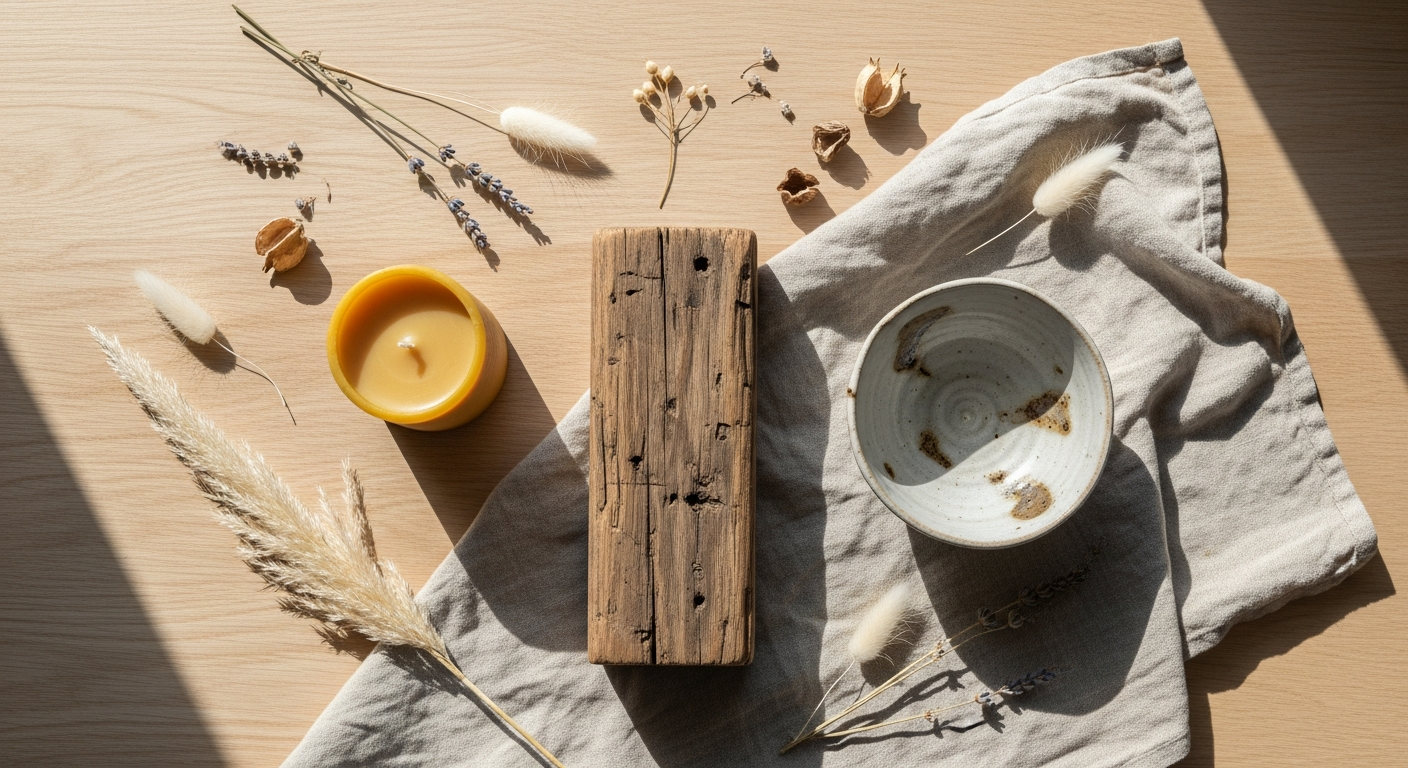
- Dried Flowers & Grasses: Create stunning, long-lasting arrangements with dried eucalyptus, lavender, pampas grass, or other botanicals. These add a sophisticated, natural texture and warmth that requires no watering. Imagine a large ceramic vase filled with dried honesty or feathery plumes on your mantelpiece.
- Stones & Shells: Incorporate elements from nature walks – smooth river stones, interesting pebbles, or collected shells – into decorative bowls or as paperweights.
- Tip: Always forage responsibly and sustainably, taking only what you need and ensuring you don’t harm living plants or ecosystems.
- Maximizing Natural Light:
- While not a “decor item” per se, maximizing natural light is a crucial aspect of bringing the outdoors in. Use sheer linen curtains or opt for no window coverings where privacy isn’t an issue. Strategically placed mirrors can also amplify natural light.
- The way sunlight streams into a room, highlighting textures and colors, is a form of natural decor in itself.
By thoughtfully weaving nature into your interiors, you’re not only enhancing the aesthetic appeal of your home but also creating a healthier, more calming, and deeply sustainable living environment that supports your overall well-being. It’s a gentle reminder of our connection to the earth, right within your own walls.
Mindful Consumption: Investing in Longevity and Timelessness
In a world of fleeting trends, one of the most impactful and enduring sustainable home decor ideas is to practice mindful consumption. This philosophy champions quality over quantity, timelessness over trends, and the joy of investing in pieces that are built to last, designed to evolve with you, and ultimately, cherished for a lifetime. It’s about slowing down, making deliberate choices, and creating a home that feels truly authentic and enduring.
The Art of Intentional Decorating
- Buy Less, Buy Better:
- Instead of constantly refreshing your decor with inexpensive, mass-produced items that quickly wear out or go out of style, save up for fewer, higher-quality pieces. Think of it as investing in your home’s future.
- A well-made solid wood cabinet, a durable linen sofa, or handcrafted ceramic tableware will bring more satisfaction and last far longer than their cheaper counterparts, reducing waste in the long run.
- Consider: The “cost per use” over the initial price tag. A durable, timeless item that you use and love for 20 years is ultimately more economical and sustainable than multiple cheaper items replaced every few years.
- Choose Timeless Design:
- Opt for classic silhouettes, neutral palettes, and natural materials that transcend ephemeral trends. While it’s lovely to incorporate personal style, a foundational layer of timeless pieces allows you to easily update your look with smaller, interchangeable accents.
- A simple, well-designed dining table or a classic armchair will look good no matter how your personal style evolves, and they won’t feel dated in a few years. These pieces become the steadfast anchors of your home.
- Embrace Versatility:
- Look for items that can serve multiple purposes or adapt to different spaces in your home. A beautiful wooden stool can be a side table, extra seating, or a plant stand. A robust blanket can be a throw for the sofa, extra warmth for a bed, or a picnic blanket.
- This approach maximizes the utility of each item you own, reducing the need for more specialized, single-use pieces.
- Repair, Don’t Replace:
- Foster a culture of repair in your home. Learn basic mending skills for textiles, or find local artisans who can repair furniture, ceramics, or lamps. A wobbly chair leg, a torn cushion cover, or a chipped vase can often be fixed with a little effort and care, extending its life and saving it from the landfill.
- This act of tending to your belongings deepens your connection to them and fosters a true sense of stewardship.
By shifting towards mindful consumption, you’re not just creating a sustainable home; you’re cultivating a lifestyle of appreciation, longevity, and intention. Your home becomes a true reflection of your values, filled with cherished pieces that tell stories of thoughtful choices and enduring beauty.