




























Understanding Mindfulness: A Foundation for Beginners
At its core, mindfulness is the practice of bringing one’s attention to the present moment, on purpose, and without judgment. It’s about being fully aware of what is happening here and now – your thoughts, feelings, bodily sensations, and the surrounding environment – rather than getting caught up in worries about the past or anxieties about the future. For many beginners, this concept might sound simple, yet its execution can be profoundly challenging in a world that constantly pulls our attention in countless directions. However, it’s precisely this challenge that makes mindfulness so incredibly valuable. It offers an antidote to the pervasive mental clutter and emotional overwhelm that often characterize modern living, providing a mental ‘reset button’ that you can access anytime, anywhere.
The roots of mindfulness stretch back thousands of years, originating in Buddhist meditative practices. However, in recent decades, it has been secularized and integrated into mainstream psychology and healthcare, largely thanks to pioneers like Jon Kabat-Zinn, who developed Mindfulness-Based Stress Reduction (MBSR) programs. These programs demonstrated the tangible benefits of mindfulness for reducing stress, managing chronic pain, and improving overall mental health, bringing it into the scientific spotlight. Today, mindfulness is not just a trend; it’s a scientifically validated approach to enhancing well-being, making it an indispensable tool for anyone looking to navigate the complexities of life with greater ease and clarity.
For beginners, understanding that mindfulness isn’t about emptying your mind or achieving a state of blissful calm is crucial. Instead, it’s about observing your thoughts and feelings as they arise, acknowledging them, and then gently redirecting your attention back to the present. Think of your mind as a sky and your thoughts as clouds passing by. Mindfulness teaches you to be the observer of these clouds, rather than being swept away by them. This non-judgmental awareness is key; there’s no “right” or “wrong” way to feel or think during mindfulness practice. Every experience is an opportunity for observation and learning. This gentle, accepting approach makes mindfulness incredibly accessible and effective, laying a robust foundation for a more peaceful and purposeful life. As you begin, remember that consistency, not perfection, is the goal. Each moment of awareness is a step forward, building your capacity for presence and inner peace.
The Profound Benefits of Mindfulness for Your Home & Life

Embracing mindfulness extends far beyond quiet meditation sessions; its ripple effects permeate every aspect of your existence, from your personal well-being to the harmony within your home. For the Rock Salt Plum reader, understanding these comprehensive benefits can serve as a powerful motivator to integrate mindfulness exercises for beginners into their daily rhythm. The advantages are multi-faceted, touching upon mental clarity, emotional resilience, improved relationships, and even enhancing your capacity for creative expression and home management.
One of the most immediate and impactful benefits is a significant reduction in stress and anxiety. In a world that often demands constant attention and quick reactions, our nervous systems can become perpetually elevated. Mindfulness acts as a balm, teaching us to pause, observe our stress responses, and choose a more measured reaction rather than an automatic one. This calm translates directly into a more peaceful home environment. Imagine approaching a demanding day of household chores or planning an elaborate dinner party with a clear, calm mind rather than a frazzled one. This shift not only makes tasks more enjoyable but also more efficient. Furthermore, improved emotional regulation allows you to navigate interpersonal dynamics, whether with family, friends, or partners, with greater patience and understanding, fostering stronger, more compassionate connections within your home.
Beyond stress reduction, mindfulness significantly enhances focus and concentration. In an age of digital distraction, the ability to concentrate on a single task, a conversation, or even a simple moment of beauty can feel revolutionary. For those engaged in creative pursuits, such as decorating or crafting, heightened focus can lead to more innovative ideas and meticulous execution. This sharpened awareness can also transform your approach to practical matters, like budgeting for Home Decor Ideas Budget 2026. By mindfully assessing your needs and resources, you can make more deliberate, informed decisions, ensuring your decorating choices are both beautiful and fiscally responsible, reflecting true intentionality rather than impulse.
Mindfulness also cultivates a deeper sense of self-awareness and self-compassion, which are cornerstones of effective Self Care Ideas At Home 2026. By regularly checking in with your inner landscape, you become more attuned to your own needs, boundaries, and emotional states. This allows you to proactively engage in self-care practices that truly nourish you, rather than just going through the motions. Whether it’s carving out time for a quiet cup of tea, engaging in a beloved hobby, or simply resting when your body calls for it, mindful self-awareness empowers you to prioritize your well-being. This deeper connection with yourself also fosters creativity and problem-solving skills, making you more adaptable and resilient in the face of life’s inevitable challenges, both inside and outside the home. Ultimately, the integration of mindfulness into your life transforms ordinary moments into opportunities for growth, peace, and profound connection, enriching your existence in ways that are both subtle and deeply significant.
Getting Started: Essential Mindfulness Exercises for Beginners
The Breath Anchor Meditation
This is perhaps the most fundamental and widely recommended mindfulness exercise for beginners. Your breath is always with you, making it a perfect anchor to the present moment. It’s a gentle, ever-present rhythm that can bring you back to stillness when your mind feels chaotic.
- How to Practice:
- Find a comfortable position, either sitting on a cushion or chair, or lying down. Close your eyes gently if you feel comfortable, or simply soften your gaze.
- Bring your attention to your breath. Don’t try to change it; just observe it as it is. Notice the sensation of the air entering and leaving your body.
- You might feel it at the tip of your nostrils, in your chest rising and falling, or in your abdomen expanding and contracting. Choose one point of sensation and focus your awareness there.
- As thoughts inevitably arise (and they will!), simply acknowledge them without judgment. Don’t engage with them or get frustrated. Gently redirect your attention back to the sensation of your breath.
- Start with just 3-5 minutes a day, gradually increasing the duration as you feel more comfortable, aiming for 10-15 minutes.
- Tip for Beginners: It’s completely normal for your mind to wander. The practice isn’t about stopping thoughts, but about noticing when your mind wanders and gently bringing it back. This act of returning is the ‘muscle’ you’re building.
Mindful Eating
Eating is a daily activity that often becomes rushed and unconscious. Mindful eating transforms a necessary act into an opportunity for deep sensory awareness and appreciation.
- How to Practice:
- Choose a small piece of food, like a raisin, a berry, or a bite of your meal.
- Before putting it in your mouth, observe it with all your senses: Look at its color, shape, and texture. Notice any aromas.
- Slowly bring it to your mouth. Notice the sensation in your hand and arm.
- Place it in your mouth but don’t chew immediately. Explore its texture and taste with your tongue.
- When you do chew, do so slowly and deliberately. Notice the changing flavors and textures. Listen to the sounds of chewing.
- Swallow mindfully, feeling the food move down your throat.
- Notice the lingering aftertaste and how your body feels.
- Tip for Beginners: Try this with just the first few bites of a meal, or dedicate one meal a week to fully mindful eating. You’ll be surprised at how much flavor and satisfaction you’ve been missing.
The Body Scan
The body scan is a powerful exercise for developing bodily awareness and releasing tension, making it an excellent component of Self Care Ideas At Home 2026.
- How to Practice:
- Lie down comfortably on your back, perhaps on a yoga mat or bed, with your arms at your sides and palms facing up. Close your eyes.
- Bring your attention to your body as a whole. Then, gently direct your attention to your toes on one foot. Notice any sensations there – warmth, coolness, tingling, pressure, or absence of sensation.
- Without judgment, simply observe what you find. If your mind wanders, gently bring it back to your toes.
- After a minute or two, slowly move your attention up to your foot, then your ankle, calf, knee, and so on, progressively moving through your entire body – legs, hips, torso, back, arms, hands, neck, and head.
- Pause at each area, allowing yourself to fully experience the sensations present. If you find tension, simply acknowledge it without trying to force it away. Sometimes, just bringing awareness to tension can help it soften.
- Conclude by resting in awareness of your entire body for a few moments.
- Tip for Beginners: Guided body scan meditations are widely available online (search for “body scan meditation for beginners”). They can be very helpful for learning the pacing and focus.
Mindful Walking
Turn a mundane activity into a meditative practice. Mindful walking can be done anywhere – in your garden, down the street, or even just across a room.
- How to Practice:
- Begin by standing still for a moment, noticing your body’s contact with the ground.
- Start walking at your normal pace, but bring your full attention to the physical sensations of walking.
- Notice the lifting of one foot, the swing of your leg, the slight tilt of your body, the placement of your foot on the ground, the pressure, the transfer of weight.
- Feel the air on your skin, hear the sounds around you, see the colors and shapes of your environment.
- If your mind drifts to your destination or other thoughts, gently guide your attention back to the sensations of walking.
- Tip for Beginners: Try this for just 5-10 minutes during a daily walk. You might find a renewed appreciation for the world around you and the simple act of movement.
Sensory Awareness Practice
This exercise hones your ability to focus on one sense at a time, deepening your connection to the present moment and enriching your experience of your surroundings.
- How to Practice:
- Choose one sense to focus on – sight, sound, touch, or smell.
- If focusing on sound: Close your eyes and listen intently to all the sounds around you, near and far, without labeling or judging them. Just observe the pure auditory experience.
- If focusing on sight: Choose an object in your environment – a plant, a piece of art, or even your hand. Look at it as if you’ve never seen it before, noticing every detail, color, shadow, and texture.
- If focusing on touch: Pay attention to the feeling of your clothes on your skin, the texture of the surface you’re sitting or standing on, or the warmth of a mug in your hands.
- If focusing on smell: Take a moment to consciously inhale and identify any scents present, perhaps from a flower, a candle, or even the subtle aroma of your home.
- Spend several minutes immersed in one sense before gently shifting to another, or simply conclude the practice.
- Tip for Beginners: Start with sounds, as they are often easier to notice without direct engagement. This practice can be a wonderful way to pause and recharge throughout your day.
Remember, the goal of these exercises is not perfection, but persistent, gentle effort. Each time you bring your attention back to the present, you are strengthening your mindfulness “muscle.” Start small, be kind to yourself, and gradually weave these practices into the fabric of your daily life. You’ll soon discover the profound shifts they can bring to your inner peace and overall well-being.
Integrating Mindfulness into Your Daily Routine for Lasting Peace
While dedicated meditation sessions are invaluable, the true power of mindfulness lies in its integration into the fabric of your daily life. For beginners, this means finding small, consistent ways to practice presence amidst the hustle and bustle, transforming routine moments into opportunities for mindful awareness. The goal is not to add another item to your already overflowing to-do list, but rather to infuse existing activities with a heightened sense of attention and intention. This approach makes mindfulness sustainable and profoundly impactful, creating lasting peace and clarity in your home and personal life.
Begin by identifying “transition moments” in your day – those brief intervals between activities. Instead of rushing from one task to the next, use these moments as cues for a mini-mindfulness practice. For example, before you check your emails in the morning, take three mindful breaths, feeling your feet on the floor and your posture. Before you start cooking dinner, pause for a moment to notice the sounds, smells, and sights of your kitchen. When you walk from one room to another, pay attention to the sensation of your feet on the floor and the movement of your body. These micro-practices, though short, accumulate over time, building your capacity for presence and anchoring you to the present moment throughout your day.
Incorporating mindfulness into daily chores can also be surprisingly effective. Washing dishes, folding laundry, or tidying up can become meditative acts when approached with full awareness. Focus on the sensation of warm water on your hands, the texture of the fabric, the visual satisfaction of a clean surface. By bringing your full attention to these tasks, you not only make them more enjoyable but also reduce the mental chatter that often accompanies them. This turns otherwise mundane activities into opportunities for grounding and focus, transforming your perception of household responsibilities from tedious chores into mindful contributions to your home’s serenity.
Furthermore, mindful communication can revolutionize your relationships. When engaging in conversations with family or friends, practice truly listening – not just waiting for your turn to speak, but absorbing their words, tone, and body language with full presence. This deep listening fosters greater understanding, empathy, and connection, enriching your interactions and strengthening the bonds within your home. Similarly, taking a mindful pause before responding to challenging situations can prevent impulsive reactions, allowing for more thoughtful and constructive dialogue. This is a crucial aspect of maintaining a harmonious home environment, particularly when balancing the demands of family life and social engagements.
Finally, consider ending your day with a mindful reflection. Before bed, take a few minutes to recall your day, not to judge or analyze, but simply to observe the events and your reactions to them. Notice moments of joy, challenge, and learning. This practice can help process daily experiences, release lingering tensions, and promote a more restful sleep, contributing to your overall well-being as part of Self Care Ideas At Home 2026. By weaving these simple yet profound practices into your everyday existence, you’ll discover that mindfulness isn’t just something you do; it’s a way of being that fosters a continuous sense of peace, purpose, and presence in every corner of your life and home.
Creating a Mindful Space in Your Home: Design for Serenity
Just as our internal landscape benefits from mindfulness, so too does our external environment. For Rock Salt Plum readers, creating a mindful space in your home is a powerful extension of your wellness journey, directly supporting your practice of mindfulness exercises for beginners. Your living environment can either be a source of stress and distraction or a sanctuary that promotes calm, focus, and well-being. By intentionally designing your home with mindfulness in mind, you cultivate a physical space that mirrors and reinforces your inner peace.
The foundation of a mindful home begins with decluttering. Clutter, both visible and hidden, can create mental noise and a sense of overwhelm. Take time to assess each room, removing items that no longer serve a purpose or bring you joy. This isn’t about stark minimalism, but about creating intentionality in what you keep. A decluttered space allows for clearer thought and reduces visual distractions, making it easier to engage in mindful practices. Consider the principles of organization that promote ease and flow, ensuring that every item has a home, reducing friction in daily routines, and contributing to a sense of calm order. This thoughtful approach to organization is a mindful act in itself, fostering a sense of control and clarity.
Next, focus on elements that evoke sensory calm and connection to nature. Natural light is paramount; maximize its presence by keeping windows unobstructed and using sheer curtains. Introduce plants, which not only purify the air but also bring life and a sense of tranquility indoors. Their vibrant greens and organic forms can be a focal point for mindful observation, reminding you of the natural world’s gentle rhythm. Incorporate natural materials like wood, linen, cotton, and stone, which offer tactile richness and a grounding aesthetic. These elements contribute to a serene atmosphere, making your home a more inviting place for reflection and relaxation.
Color psychology also plays a significant role in creating a mindful environment. Opt for calming palettes – soft neutrals, gentle blues, muted greens, and earthy tones – which are known to promote relaxation and reduce stress. These colors provide a soothing backdrop, allowing your mind to rest rather than being stimulated by overly vibrant or chaotic hues. When considering Statement Wall Ideas Living Room, think beyond just visual impact. A mindful statement wall could be a soft ombré design that transitions from a deep calming blue to a light airy white, or a textured wall treatment that invites touch and visual depth without overwhelming the senses. The goal is to create a focal point that adds character and interest while maintaining a sense of serenity, serving as a backdrop for mindful living rather than a source of distraction.
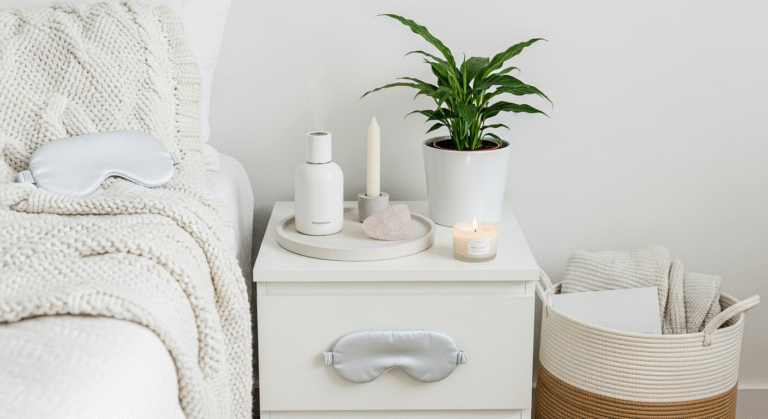
Finally, designate specific areas for mindful activities. This doesn’t require a dedicated meditation room; a quiet corner with a comfortable cushion, a small table for a plant or candle, and perhaps a soft throw can serve as a powerful anchor for your practice. Even a thoughtfully arranged reading nook or a serene outdoor balcony can become a personal sanctuary. When considering Home Decor Ideas Budget 2026, remember that creating a mindful space doesn’t necessitate expensive renovations. Simple, budget-friendly additions like a comfortable throw pillow, a beautifully scented candle, a piece of natural art, or a well-placed indoor plant can dramatically enhance the atmosphere of peace and intentionality. By curating your home with a mindful approach, you not only create a beautiful environment but also a supportive ecosystem for your inner journey, making your living space a true haven for well-being.
Overcoming Common Beginner Challenges in Mindfulness Practice
Embarking on the path of mindfulness is a rewarding journey, but like any new skill, it comes with its unique set of challenges, especially for beginners. It’s entirely normal to encounter hurdles, and understanding these common obstacles can help you navigate them with patience and self-compassion. Remember, mindfulness is a practice, not a destination, and every challenge overcome strengthens your resolve and deepens your understanding.
One of the most universal challenges is the wandering mind. You sit down to focus on your breath, and suddenly you’re planning dinner, replaying a conversation, or compiling a mental to-do list. This is not a sign of failure; it’s simply what minds do! Our brains are wired to think, plan, and analyze. The practice of mindfulness isn’t about stopping thoughts but about noticing when your mind has wandered and gently, without judgment, bringing your attention back to your chosen anchor (like your breath). Each time you do this, you’re building your “mindfulness muscle.” Be patient with yourself; it’s a continuous process of redirection, not eradication of thought.
Another common hurdle is frustration or self-criticism. Beginners often feel they are “not doing it right” or that they aren’t achieving the peaceful state they imagine. This self-judgment can be a significant barrier. It’s important to remember that there’s no “perfect” way to practice mindfulness. Every session is an opportunity to learn and observe. Instead of striving for a specific outcome, cultivate an attitude of gentle curiosity. Acknowledge the frustration, recognize it as just another thought or feeling, and then gently return to your practice. Treat yourself with the same kindness and understanding you would offer a dear friend who is learning something new.
Many beginners also struggle with physical discomfort or restlessness. Sitting still, even for short periods, can reveal aches, itches, or a general feeling of agitation. While some discomfort is part of being present with your body, intense pain or persistent restlessness can be distracting. If discomfort arises, first observe it with curiosity. Can you breathe into it? Does it change? If it’s too distracting, make a gentle adjustment to your posture. If restlessness is overwhelming, try a mindful walking meditation instead, allowing movement to be your anchor. Remember, your practice should be supportive, not punitive.
Finally, the challenge of consistency often emerges. Life is busy, and finding time for a new practice can feel daunting. This is where integrating mindfulness into your daily routine, as discussed earlier, becomes crucial. Start small – even 3-5 minutes a day is more beneficial than an hour once a week. Schedule your practice, perhaps linking it to an existing habit like your morning coffee or before bed. Remember that consistency builds momentum and reinforces the neural pathways for mindfulness. Don’t let a missed day derail your entire practice; simply acknowledge it and return to it the next day with renewed intention. Overcoming these initial challenges is a testament to your commitment to self-care and a more present life, paving the way for deeper peace and greater well-being.
Frequently Asked Questions
Recommended Resources
You might also enjoy Best Tinted Moisturizer 2026 Comparison from Fashion Goggled.
Explore Best Jewelry For Different Necklines for additional insights.