








Beyond the Walls: How to Make a Small Bedroom Look Bigger and Feel Like a Spacious Sanctuary
You don’t need to knock down walls to create the illusion of a grander space. Instead, with a thoughtful approach to design, smart furniture choices, and a sprinkle of styling wisdom, you can transform your petite haven into a bedroom that not only looks bigger but also feels deeply luxurious and calming. Think of me as your trusted editor, guiding you through the art of spatial illusion with warmth and practical advice. In this comprehensive guide, we’ll dive deep into the secrets of how to make a small bedroom look bigger, ensuring your space reflects your style, nurtures your well-being, and inspires your inner hostess, even in a compact footprint. Get ready to unlock the true potential of your beautiful bedroom!
Embrace the Power of Light & Bright: Illuminating Your Way to Expansiveness
Light, in all its forms, is your most potent ally when you want to make a small bedroom feel larger. It’s like a breath of fresh air for your walls, making everything feel open and airy. We’re talking about maximizing natural light, choosing the right artificial illumination, and selecting colors that bounce light around the room like a happy little disco ball (a very chic, subtle one, of course!).
Maximize Natural Radiance
First things first, let’s talk about those windows. Think of them as portals to a bigger world. Heavy, dark drapes can gobble up precious light and make a room feel enclosed. Instead, opt for sheer linen curtains or delicate cotton panels in a crisp white or a pale, barely-there hue. Hang them high and wide, extending the curtain rod several inches beyond the window frame on each side. This simple trick makes the window appear larger, drawing the eye upwards and outwards, giving the illusion of a wider wall. If privacy isn’t a major concern, consider foregoing curtains entirely during the day, letting every ray of sunshine flood your space. Keep your windows sparkling clean – a smudge-free pane makes a surprising difference!
Layered Artificial Illumination
When the sun goes down, clever artificial lighting steps in to continue the illusion. Instead of a single overhead fixture that casts harsh shadows and flattens the room, think in layers:
- Ambient Lighting: A flush-mount or semi-flush-mount ceiling fixture in a light finish can provide overall illumination without visually encroaching on the room. Look for styles that offer diffused light.
- Task Lighting: Instead of bulky bedside lamps, consider wall-mounted sconces on either side of your bed. These free up valuable nightstand surface area and draw the eye up, enhancing vertical space. A slim, arc-style floor lamp can also provide reading light without taking up too much floor space.
- Accent Lighting: Small puck lights inside shelves or a strategically placed uplight behind a plant can create depth and interest, making the room feel more dynamic and less like a box.
The Magic of a Light Color Palette
When it comes to walls, ceilings, and even large pieces of furniture, embrace the lighter side of the spectrum. Whites, creams, pale grays, soft blues, and gentle greens are your best friends. These colors reflect light, making walls recede and creating an expansive, airy feel. A monochromatic or analogous color scheme (colors next to each other on the color wheel) can also work wonders, creating a seamless flow that prevents the eye from stopping and perceiving boundaries. For instance, soft cream walls with white trim and pale linen bedding create a harmonious, open feel. Don’t forget the ceiling – paint it the same light color as your walls, or even a shade lighter, to make the room feel taller.
Rock Salt & Plum Product Ideas: Sheer linen-blend curtains in “Cloud White,” brushed brass wall sconces, a slim white ceramic table lamp for a corner, eco-friendly paint in “Morning Mist” or “Barely Blush.”
Clever Furniture Choices & Placement: The Art of Illusion in How to Make a Small Bedroom Look Bigger
Choosing the right furniture and placing it thoughtfully is paramount when you’re exploring how to make a small bedroom look bigger. Every piece needs to earn its spot, not just aesthetically, but functionally and spatially. Think smart, think multi-purpose, and think visual lightness.
Scale-Appropriate Furniture: Less is Often More
One of the biggest mistakes in a small bedroom is overcrowding it with bulky, oversized furniture. While you might adore that grand sleigh bed, it could swallow your entire space. Instead, opt for pieces that are proportionate to the room’s size.
- Bed Frame: A platform bed with a sleek, low profile or one with delicate legs instantly makes the room feel more open by allowing light and air to flow underneath. Avoid heavy, upholstered headboards that consume visual real estate. Consider a simple, elegant upholstered headboard in a light fabric, or even a wall-mounted headboard to keep the floor clear.
- Nightstands: Instead of chunky bedside tables, choose slim, leggy versions, floating shelves, or even wall-mounted sconces with a small shelf attached. This frees up precious floor space and keeps the sightlines clear.
- Dressers & Wardrobes: If you need a dresser, select one with a narrower depth and a taller profile to utilize vertical space. Consider a wardrobe with sliding doors rather than outward-swinging ones to save floor space. Mirrored fronts on wardrobe doors can also work wonders (more on mirrors later!).
The Magic of Multi-Functional Pieces
When space is at a premium, every item should ideally serve more than one purpose. This is where your inner design strategist truly shines!
- Storage Beds: These are a godsend! Look for platform beds with built-in drawers underneath or lift-up mechanisms that reveal a hidden storage cavern. This eliminates the need for extra dressers or bulky storage bins.
- Storage Ottomans/Benches: A beautiful upholstered ottoman at the foot of your bed can provide a spot to sit, a surface for a tray of tea, and crucially, hidden storage for extra blankets or seasonal clothes.
- Desk/Vanity Combo: If you need a workstation or a place to get ready, choose a slim console table that can double as both, perhaps with a stool that tucks neatly underneath.
Strategic Placement: Where Everything Belongs
How you arrange your furniture dramatically impacts the perception of space.
- Float No More: In a small bedroom, generally, you want to push your bed against the longest wall to create a clear pathway. Resist the urge to “float” furniture in the middle of the room, as this will chop up the space and make it feel more cramped.
- Clear Pathways: Ensure there’s a clear, unobstructed path around the bed and to the door. This visual flow makes the room feel more accessible and therefore larger.
- Vertical Appeal: Instead of spreading things out horizontally, think upwards. Wall-mounted shelves, tall, narrow bookshelves, or a floor-to-ceiling mirror all draw the eye up, emphasizing the room’s height and creating a sense of grandeur.
Rock Salt & Plum Product Ideas: A low-profile upholstered platform bed in natural linen, floating oak bedside shelves, a slim mirrored dresser, a velvet storage ottoman in a soft sage green.
The Magic of Mirrors & Reflective Surfaces: Doubling Your Space
Mirrors are truly a small bedroom’s best friend. They’re not just for checking your outfit; they are masterful illusionists, reflecting light and creating the perception of expanded space. This is one of the oldest, yet most effective, tricks in the book for making a small bedroom look bigger.
Strategic Mirror Placement: It’s All About the Angle
The key to maximizing a mirror’s impact lies in its placement. You want it to reflect something beautiful and expansive, ideally a window or an uncluttered wall, to literally double the perception of space.
- Opposite a Window: This is the golden rule! Placing a large mirror directly opposite a window will reflect the natural light and the view outside, effectively bringing the outdoors in and making the room feel twice as large and bright. It amplifies the light source and mimics another window.
- On the Longest Wall: If you have a longer, uninterrupted wall, a substantial mirror can visually extend the room’s length. Avoid placing it where it reflects clutter or a busy doorway, as this will only magnify the perceived chaos.
- Behind Furniture: A mirror placed behind a nightstand or a dresser can create depth, making the furniture appear to recede into the wall.
- Mirror Wall: For a truly dramatic effect, consider an entire wall clad in mirror panels or a collection of large, framed mirrors hung together to create one continuous reflective surface. This requires careful consideration, but the impact can be stunning.
Choosing the Right Mirror: Size and Style Matter
When it comes to mirrors in a small space, generally, bigger is better. A single large mirror will have more impact than a collection of small ones.
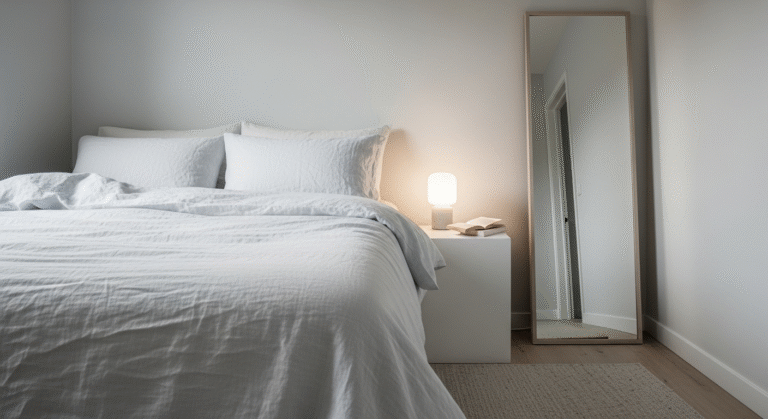
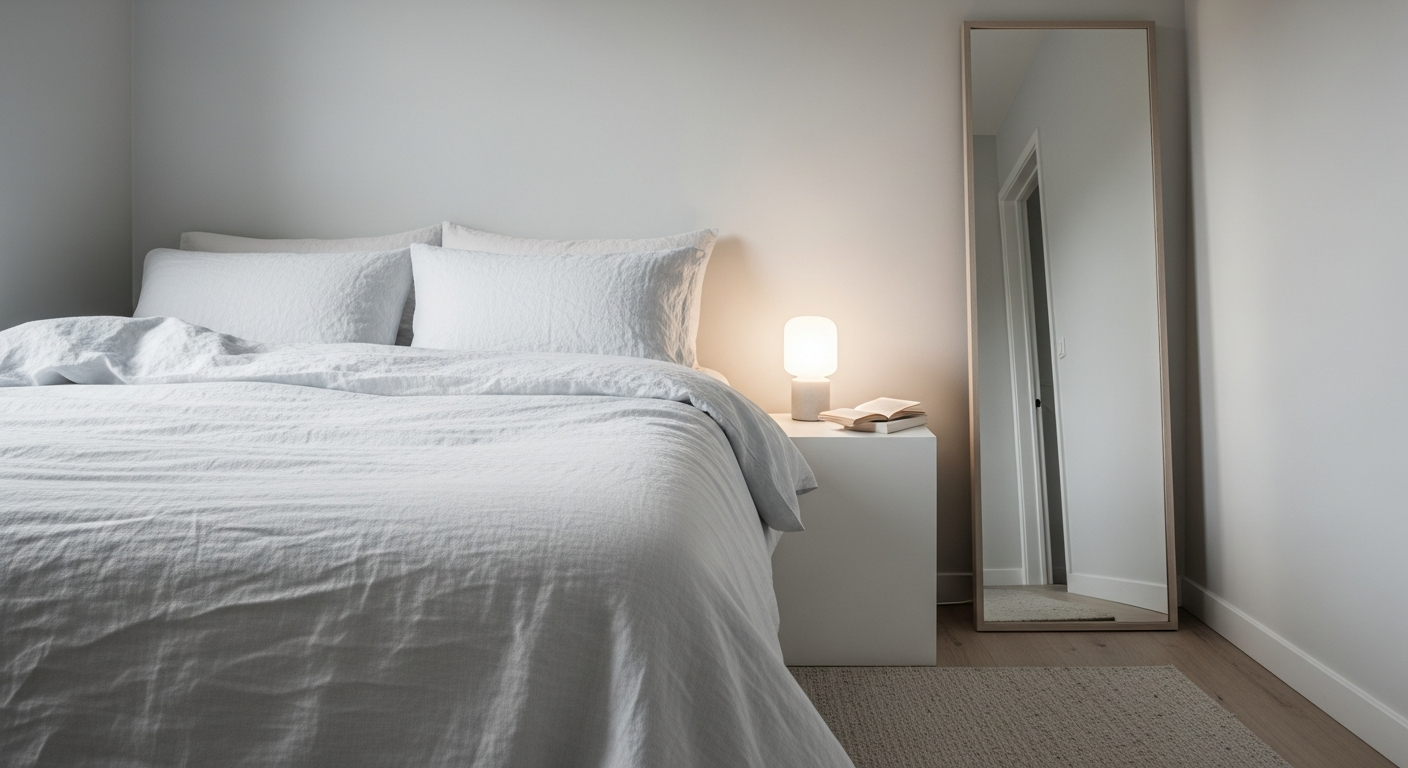
- Full-Length Leaning Mirror: A tall mirror leaning against a wall adds a touch of bohemian chic and draws the eye upwards, emphasizing height. Its casual placement also prevents the room from feeling too formal.
- Ornate or Minimalist Frame: The frame style should complement your decor. A delicate, ornate gold frame can add a touch of vintage elegance, while a sleek, minimalist metal or wood frame maintains a clean, modern aesthetic. Both can work beautifully in a small space, provided the mirror itself is of good size.
- Built-in Mirrors: Consider furniture with mirrored panels, such as a mirrored dresser or wardrobe doors. This integrates the reflective surface seamlessly into your decor and provides dual functionality.
Beyond Mirrors: Reflective Accessories
Don’t stop at just one mirror! Incorporate other reflective surfaces to subtly bounce light around and add a touch of glamour.
- Metallic Accents: Think polished brass picture frames, a chrome lamp base, or a copper planter. These small glints of reflection contribute to the overall brightness.
- Glass & Acrylic: A glass vase, an acrylic side table, or even delicate glass knobs on a dresser can add transparent or reflective qualities that prevent the eye from stopping, making the space feel more open.
Rock Salt & Plum Product Ideas: A large, arched full-length mirror with a distressed gold frame, a set of minimalist wall mirrors in varying sizes arranged artfully, a glass and brass decorative tray for your nightstand.
Streamlined Storage & Thoughtful Decluttering: The Golden Rule of Small Spaces
This might be the most fundamental and impactful advice for anyone wanting to make a small bedroom look bigger: declutter, declutter, declutter! A cluttered room feels small, suffocating, and chaotic. A tidy, well-organized room feels spacious, serene, and inviting. It’s truly transformative.
The Golden Rule: Less is Always More
Before you even think about buying storage solutions, commit to a ruthless decluttering session. Ask yourself:
- “Do I love this?”
- “Do I use this regularly?”
- “Does this bring joy?”
If the answer is no, it’s time to let it go. This applies to clothes, books, decor items, and anything else that lives in your bedroom. Remember the “one in, one out” rule: if you buy something new, something old must go. This prevents clutter from accumulating again.
Built-in and Integrated Solutions: Maximizing Every Inch
When every inch counts, integrated storage is your best friend.
- Custom Built-ins: If your budget allows, custom shelving or cabinetry built into alcoves or around the bed can be incredibly efficient. Floor-to-ceiling built-ins provide ample storage without looking like separate, bulky pieces of furniture. Paint them the same color as your walls to make them blend in seamlessly.
- Storage Beds: As mentioned before, a bed with drawers or a lift-up mechanism is a game-changer for storing linens, seasonal clothing, or even shoes, keeping them out of sight and mind.
- Wall-Mounted Solutions: Floating shelves, wall-mounted bedside tables, or even a sleek pegboard system can hold books, small decor, or jewelry without taking up floor space.
Hidden Storage: Out of Sight, Out of Mind
The goal is to have as little visual clutter as possible. Embrace solutions that hide your belongings beautifully.
- Under-Bed Storage: Even if you don’t have a storage bed, slim, wheeled bins or elegant fabric boxes can slide neatly under most bed frames. This is ideal for storing extra blankets, out-of-season clothing, or items you don’t need daily.
- Decorative Storage Boxes & Baskets: Invest in beautiful woven baskets, lidded boxes, or fabric bins that complement your decor. These can hold anything from socks to reading materials and look chic on shelves or in corners.
- Ottomans and Benches with Storage: These are perfect for blankets, pillows, or even books and magazines you’re currently reading.
Vertical Storage: Reaching for the Sky
Don’t forget the vertical space above eye level!
- Tall, Slim Bookcases: A narrow, tall bookcase can provide significant storage for books, plants, or decorative items without occupying much floor space. Ensure it’s securely anchored to the wall.
- Hooks & Wall Organizers: Use stylish hooks for robes, scarves, or a favorite bag. A wall-mounted jewelry organizer keeps accessories tidy and visible without cluttering surfaces.
Rock Salt & Plum Product Ideas: Hand-woven seagrass baskets, white lidded storage boxes, a slim wall-mounted shelving unit in light oak, a linen-covered storage ottoman.
Strategic Styling: Tricks for an Expansive Feel
Beyond furniture and storage, the way you style your small bedroom can have a profound impact on how big it feels. These are the subtle touches, the clever illusions that designers use to create a sense of grandeur, even in the most compact spaces.
Monochromatic Magic with Texture
While we’ve already sung the praises of light color palettes, let’s refine that a bit. A monochromatic scheme – using different shades and tints of a single light color – creates a seamless flow that tricks the eye into perceiving more space. But to prevent it from feeling sterile, introduce rich textures!
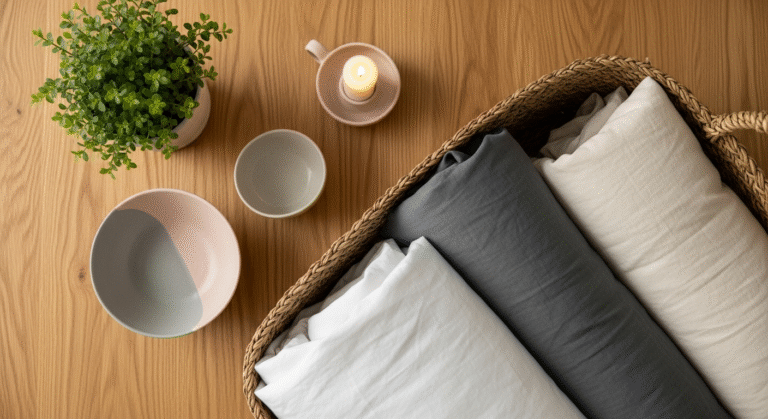
- Layered Bedding: Crisp white linen sheets, a chunky knit throw in cream, and a couple of fluffy pillows in an off-white boucle or faux fur add depth and interest without adding visual clutter.
- Wall Treatments: Consider subtle textured wallpaper (like grasscloth or a very fine weave) in a light hue for an accent wall, or choose paint with a slight sheen to reflect light.
- Natural Elements: Incorporate wood, rattan, ceramic, and wool to add warmth and organic texture.
This approach keeps the room feeling cohesive and calm, allowing the eye to sweep across the space without interruption, thus enhancing the feeling of openness.
Large-Scale Art: The Bold Statement
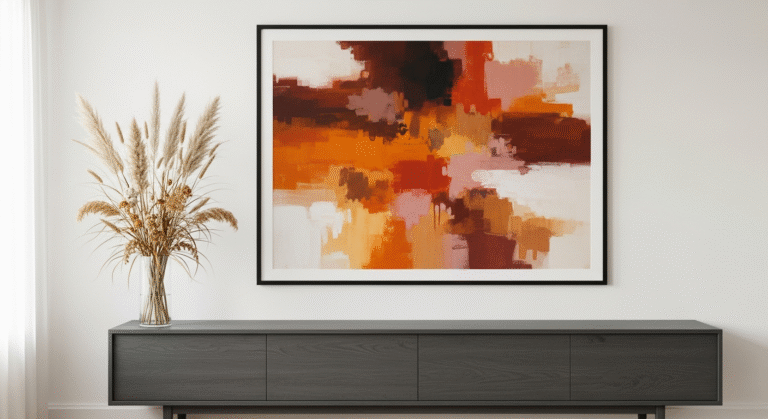
It might seem counterintuitive, but one large piece of art or a big mirror (as discussed!) can make a small room feel grander than a gallery wall of many small pieces. A single, impactful piece provides a focal point and creates a sense of depth.
- Placement: Hang it on the largest available wall, perhaps above your bed or a dresser.
- Subject Matter: Abstract art with soft colors, a serene landscape, or a minimalist print can be particularly effective.
The idea is to give the eye one strong point of interest, allowing the rest of the room to feel streamlined.
Vertical Lines: Drawing the Eye Upwards
Anything that encourages the eye to move vertically will make your ceilings feel higher.
- Floor-to-Ceiling Curtains: We mentioned this earlier, but it bears repeating. Hang your curtains as close to the ceiling as possible and extend them to the floor. This elongates the walls.
- Tall Headboards: A tall, slim headboard, especially one with vertical tufting or a simple, clean line, can create a dramatic vertical accent.
- Striped Elements: Consider subtle vertically striped wallpaper on an accent wall, or even vertically striped bedding, to draw the eye upwards.
Flooring Choices: The Foundation of Space
Your flooring can also play a role in making a small room feel bigger.
- Light Colors: Light-colored wood, laminate, or carpet will reflect light and open up the room, similar to light-colored walls.
- Consistent Flooring: If possible, use the same flooring throughout connected spaces (like the bedroom and an adjoining hallway) to create a seamless visual flow.
- Running Planks Lengthways: If you have wood or laminate flooring, lay the planks to run parallel with the longest wall in the room; this creates an illusion of greater length.
The Art of the Edit: Curated Minimalism
Finally, embrace intentionality. Every item in your small bedroom should be there because it’s beautiful, functional, or both. Avoid decorative tchotchkes and excessive knick-knacks. A few carefully chosen, meaningful pieces will have a much greater impact than a multitude of small, distracting items. This curated approach naturally leads to a cleaner, more spacious-feeling room.
Rock Salt & Plum Product Ideas: A large abstract canvas in muted tones, a creamy boucle throw blanket, a tall upholstered headboard in off-white linen, a hand-loomed jute rug in a natural shade.
Curtains, Rugs & Bedding: Soft Touches with Big Impact
These are the unsung heroes of interior design, the soft furnishings that dress your room and can significantly influence its perceived size and overall ambiance. When you’re deciphering how to make a small bedroom look bigger, don’t underestimate the power of textiles!
The Curtain Conundrum: Go Big or Go Home
We’ve touched on curtains, but let’s dive a little deeper. The mistake many make in small rooms is choosing curtains that exactly fit the window frame or are too short. This effectively ‘chops up’ the wall and makes the window look smaller, diminishing the room’s perceived size.
- Floor-to-Ceiling, Wall-to-Wall: The ultimate trick! If possible, install your curtain rod a few inches from the ceiling and extend it well beyond the window frame, almost to the corners of the wall. When the curtains are open, they will stack against the wall, allowing the entire window to be exposed, maximizing natural light. When closed, they create a continuous wall of fabric, making the wall appear wider and taller.
- Lightweight Fabrics: Stick to sheer linens, delicate cottons, or light-filtering voile. Heavy velvets or brocades, while luxurious, can feel too dense and visually heavy in a small space.
- Light Colors & Subtle Patterns: Match your curtains to your wall color or choose a slightly lighter shade. If you love patterns, opt for subtle, tone-on-tone designs or thin vertical stripes that aid in the vertical illusion.
Rugs: Grounding the Space with Intention
Rugs define zones and add warmth, but in a small bedroom, size matters. A tiny rug can make the room feel even smaller by drawing attention to its limited footprint.
- Go Large: The best approach for a small bedroom is to choose the largest rug your room can comfortably accommodate, ideally one that extends beneath the bed and beyond the nightstands. A general rule of thumb is that at least the front two legs of your bedside tables should be on the rug, and it should extend at least 12-18 inches beyond the sides and foot of the bed. This creates a cohesive “island” that makes the entire sleeping area feel more expansive.
- Light Colors & Simple Patterns: Just like with walls and curtains, light-colored rugs in natural fibers (jute, sisal, light wool) or with subtle, tone-on-tone patterns are ideal. They reflect light and don’t visually break up the floor space.
- Seamless Flow: If you have hardwood floors, consider a rug that leaves a good border of floor exposed around the perimeter of the room. This negative space also contributes to an airy feel.
Bedding: Your Cloud of Calm
Your bed is the largest piece of furniture in the room, so its styling has a huge impact.
- Light & Bright Bedding: Opt for crisp white, ivory, soft grays, or pale pastels for your duvet cover and sheets. These colors enhance the feeling of cleanliness and openness.
- Layered Textures: To avoid a sterile look, layer different textures in the same color family. Think a crisp cotton duvet, a linen flat sheet, a chunky knit throw, and some soft velvet or faux fur pillows. This adds visual interest and depth without introducing clutter or heavy colors.
- Minimalist Approach: While layering is great for texture, avoid excessive throw pillows or heavy bed skirts that can make the bed look bulky. Keep the pillows to a tasteful minimum (2-4 decorative pillows, perhaps two standard sleeping pillows), and opt for a bed frame that offers a clean line to the floor or is elevated on legs.
Rock Salt & Plum Product Ideas: White linen duvet set, a large jute area rug, unbleached cotton sheer curtains, a chunky knit throw blanket in ivory.
The Art of the Edit: Embracing Intentional Living
Ultimately, making a small bedroom feel bigger isn’t just about clever tricks; it’s about adopting a mindset of intentional living. It’s about curating your sanctuary with love and purpose, ensuring that every element contributes to a sense of peace and spaciousness.
Focus on What Truly Brings You Joy
As women who cherish our homes and value self-care, our bedrooms are deeply personal spaces. Instead of filling every corner, ask yourself if each item genuinely resonates with you. Does it evoke a happy memory? Does it serve a meaningful purpose? Does it bring a smile to your face? If not, it might be time to gently release it. This process isn’t about deprivation; it’s about making space for what truly matters, both physically and emotionally.
Quality Over Quantity
In a small space, a few high-quality, beautifully crafted items will always outshine a multitude of lesser ones. Invest in luxurious bedding that feels wonderful against your skin, a timeless piece of art, or a well-made, multi-functional piece of furniture. These items will elevate your space, make it feel more considered, and ultimately contribute to a greater sense of richness and expansiveness than clutter ever could.
Mindful Selection of Every Item
From the books on your nightstand to the candle on your dresser, consider each item. Does it fit the light, airy aesthetic you’re striving for? Does its color or material contribute to the overall feeling of calm? Even small details, like clear glass vases instead of opaque ones, or delicate ceramic dishes for jewelry, can make a difference in maintaining that open, uncluttered feel.
Creating a Cohesive, Calming Aesthetic
When everything in your bedroom works together harmoniously – from the color palette to the textures and the types of items – it creates a sense of visual continuity. This cohesion is crucial in a small space, as it prevents the eye from being overwhelmed and perceiving jarring breaks, which can make a room feel smaller. Think of your bedroom as a perfectly composed still life, where every element contributes to the overall beauty and balance. This calm, cohesive aesthetic is a hallmark of Rock Salt & Plum living, reflecting a thoughtful approach to home and self.
By embracing this philosophy of intentionality, you’re not just making your bedroom look bigger; you’re cultivating a deeper connection to your home, fostering a space that truly supports your well-being, and creating a beautiful backdrop for your everyday life and moments of quiet self-care.
Frequently Asked Questions About Small Bedroom Design
- Q: Can I use dark colors at all in a small bedroom?
- A: While generally advised to use light colors, you can strategically incorporate dark colors. A dark accent wall behind the headboard can create depth, making that wall recede and adding a cozy, dramatic feel without making the entire room feel smaller. Pair it with plenty of white, mirrors, and bright lighting to balance it out.
- Q: Should I avoid patterns in a small space?
- A: Not entirely! Large, subtle patterns can actually work well. Think a large-scale floral in muted tones or a wide stripe. Avoid small, busy patterns that can feel chaotic and overwhelming. Focus on texture over intense patterns for most elements, saving patterns for an accent pillow or a single piece of art.
- Q: What’s the best type of bed for a small bedroom?
- A: A platform bed with a low profile or a bed frame with visible legs is ideal. Storage beds with integrated drawers are also fantastic for maximizing space. Avoid bulky sleigh beds or beds with large, heavy headboards that can overpower the room.
- Q: How can I make my small bedroom feel cozy, not just big?
- A: While aiming for spaciousness, you can still infuse coziness! Layering soft textures (knits, linen, faux fur), using warm lighting (dimmers are key!), adding a plush rug, and incorporating natural elements like wood and plants will create warmth. A carefully chosen, comfortable armchair or a reading nook can also add a cozy touch without sacrificing too much space.
- Q: Is it okay to have a lot of plants in a small bedroom?
- A: A few well-chosen plants can certainly add life and freshness to a small bedroom! Opt for taller, slender plants that draw the eye up, or hanging plants that utilize vertical space without taking up floor area. Avoid too many sprawling or bulky plants that can visually clutter the room. Group small plants on a single shelf rather than scattering them everywhere.
Your Spacious Sanctuary Awaits!
Darling, wasn’t that an enlightening journey? We’ve explored everything from the transformative power of light to the art of clever furniture, the magic of mirrors, and the serene beauty of a decluttered space. Remember, your small bedroom isn’t a limitation; it’s a canvas for smart design and intentional living. By applying these Rock Salt & Plum principles, you’re not just creating an illusion of space; you’re truly crafting a more inviting, tranquil, and beautiful environment that uplifts your spirit and nurtures your well-being.
Take a deep breath, look around your bedroom, and imagine the possibilities. You don’t have to tackle everything at once. Perhaps you’ll start by decluttering your nightstand and adding a pretty wall sconce, or investing in some ethereal sheer curtains. Even the smallest changes can create a ripple effect, bringing a sense of lightness and expansion. You have the vision, and now you have the tools to make your small bedroom look bigger and feel like the truly luxurious sanctuary you deserve. Go forth, my dear, and create your spacious haven!