



















Transforming your living space into a sanctuary that reflects your personality and supports your lifestyle can feel like a grand endeavor. Yet, with the right approach, exploring effective living room decorating ideas becomes an enjoyable journey, resulting in a home that truly inspires and rejuvenates. Whether you’re seeking to refresh a tired space or embark on a complete overhaul, this ultimate guide from rocksaltplum.com provides actionable insights and expert advice to help you craft a beautiful, functional, and inviting environment.
This article serves as your foundational pillar, offering a comprehensive overview of key considerations, from defining your style and selecting harmonious color palettes to arranging furniture and adding personal touches. We’ll explore how these elements combine to create a cohesive design, empowering you to navigate the process with confidence and creativity. Get ready to unlock the full potential of your home’s central gathering space.
| Aspect of Living Room Design | Key Considerations | Impact on Your Home | Further Exploration |
|---|---|---|---|
| **Purpose & Style** | Functionality, aesthetic preference, room size, natural light | Sets the foundational mood and usability of the space | Defining your aesthetic for a cohesive look |
| **Color Palette** | Mood, perceived space, existing elements, personal preference | Influences emotion, visual appeal, and spatial perception | Creating harmonious and balanced color schemes |
| **Furniture Selection** | Scale, proportion, comfort, durability, traffic flow | Dictates comfort, functionality, and overall layout | Choosing pieces that fit your style and needs |
| **Lighting Ideas** | Ambient, task, accent lighting; natural light optimization | Enhances mood, highlights features, provides functionality | Layering light for atmosphere and practicality |
| **Accessorizing & Decor** | Personal touches, texture, art, rugs, plants | Adds personality, warmth, and visual interest | Curating collections that tell your story |
| **Budgeting** | Prioritization, DIY vs. professional, quality vs. cost | Ensures realistic planning and financial comfort | Smart spending for maximum impact |
| **Mistakes to Avoid** | Scale, proportion, focal points, over-accessorizing, lighting | Prevents common design pitfalls and regrets | Learning from common errors to achieve success |
Understanding Your Living Room’s Purpose and Style
Before any furniture is moved or paint swatches are chosen, the most crucial step in any successful room aesthetic project is to understand the heart of your living area. What role does this space play in your daily life? Is it a bustling hub for family gatherings, a serene retreat for quiet evenings, or perhaps a versatile area for both work and relaxation? Defining its primary purpose will guide every subsequent decision, from furniture layout to decorative accents. Furthermore, identifying your preferred aesthetic provides a cohesive vision, ensuring that all elements work in harmony to create a truly inviting environment.
Defining Your Aesthetic: Modern, Bohemian, Farmhouse, and More
The vast world of interior design offers an abundance of styles, each with its unique charm and characteristics. Modern design, for instance, often features clean lines, minimalist decor, and a neutral palette, emphasizing functionality and uncluttered spaces. In contrast, bohemian interiors embrace vibrant patterns, an eclectic mix of textures, global influences, and a relaxed, free-spirited vibe. Farmhouse style leans into rustic textures, natural wood, and a cozy, inviting atmosphere with a nod to traditional country living. Scandinavian design prioritizes light, simplicity, and natural materials, often incorporating functional yet beautiful pieces. Understanding these distinct aesthetics helps you pinpoint the one that resonates most with your personal taste and lifestyle. This foundational choice then informs your selection of every other element.
Considering Room Size and Natural Light
The physical attributes of your sitting room profoundly impact decorating choices. A smaller room often benefits from lighter paint colors, multi-functional furniture, and strategic mirror placement to enhance the perception of space. Conversely, a large, open-plan lounge area might require careful zoning to create intimate conversation areas and prevent the space from feeling cavernous. Natural light is a powerful design tool; abundant sunlight can brighten cool tones and make a room feel expansive, while limited natural light might call for warm ambient lighting and lighter textiles to prevent a dim, enclosed feel. Evaluating these factors upfront ensures that your design choices not only look beautiful but also work practically within the existing structure of your home.
| Style Name | Key Characteristics | Typical Color Palette | Furniture & Decor Elements | Ideal For |
|---|---|---|---|---|
| **Modern** | Clean lines, minimalist, functional, often geometric shapes | Neutrals (grays, whites, blacks) with occasional bold accents | Sleek sofas, glass/metal tables, abstract art, polished finishes | Sophisticated, uncluttered spaces; open-plan layouts |
| **Bohemian** | Eclectic, global influences, relaxed, layered textures | Earthy tones, jewel tones, vibrant patterns | Low-slung sofas, poufs, woven rugs, macrame, plants, vintage finds | Creative, free-spirited individuals; cozy, inviting feel |
| **Farmhouse** | Rustic charm, warmth, comfort, natural materials | Warm neutrals, whites, soft blues/greens | Distressed wood tables, upholstered sofas, shiplap, vintage signs, galvanized metals | Families seeking a cozy, homey atmosphere; traditional settings |
| **Scandinavian** | Simplicity, functionality, light, natural elements, hygge | White, light grays, pastels, natural wood tones | Minimalist wood furniture, wool throws, simple ceramics, muted textiles | Small spaces, those desiring calm and serene environments |
| **Mid-Century Modern** | Retro, organic curves, functional forms, iconic designs (1940s-60s) | Teal, orange, olive green, mustard yellow, wood tones | Tapered leg furniture, credenzas, Sputnik chandeliers, graphic patterns | Design enthusiasts, those appreciating timeless, iconic pieces |
How Do I Choose the Right Color Palette for My Living Room?
The selection of a color palette is perhaps one of the most impactful decisions you’ll make when styling your main living area. Colors possess an incredible ability to influence mood, perceived size, and overall ambiance. A thoughtful palette can make a small room feel expansive, a large room feel cozy, or inject vibrant energy into a neutral canvas. It’s about finding a harmonious balance that reflects your personal taste while also considering the room’s natural light and existing architectural features. Start by considering the emotions you want to evoke: serene, energetic, calm, or dramatic? This will help narrow down the vast spectrum of choices.
A successful palette often begins with a foundational neutral base—think warm beiges, soft grays, or crisp whites—applied to walls, larger furniture pieces, or flooring. These provide a calm backdrop that allows accent colors to pop without overwhelming the space. From there, introduce complementary hues through throw pillows, artwork, decorative objects, or an accent wall. Utilizing the 60-30-10 rule is a fantastic approach: 60% dominant color (walls, large furniture), 30% secondary color (curtains, smaller furniture, rugs), and 10% accent color (decor, throw pillows, art). This strategy ensures balance and depth.
For a deeper dive into color theory and practical application, explore our comprehensive guide on Living Room Color Palettes.
[INLINE IMAGE 1: diagram illustrating the impact of warm vs. cool color palettes in living rooms]
Essential Living Room Furniture: Selection and Arrangement
Once your ideal living room style and color palette are defined, the next crucial step is selecting and arranging furniture that not only fits the aesthetic but also maximizes functionality and comfort. Furniture serves as the backbone of your lounge design concepts, dictating traffic flow, seating capacity, and overall usability. The key is to choose pieces that are proportionate to the room’s size, durable enough for everyday life, and reflective of your chosen aesthetic. Avoid the temptation to fill every empty corner; a well-designed space often prioritizes breathing room and thoughtful placement over sheer quantity.
Sofa and Seating Arrangements
The sofa is typically the largest and most central piece of furniture, serving as the focal point around which other elements are arranged. Consider your lifestyle: a plush sectional might be perfect for a family that loves to lounge, while a sleek, smaller sofa paired with accent chairs could suit a more formal or intimate setting. When arranging seating, aim to foster conversation; chairs and sofas should be close enough for comfortable interaction without shouting, generally within 8-10 feet of each other. Ensure there’s adequate traffic flow around the arrangement, with clear pathways to doors and other areas of the home.
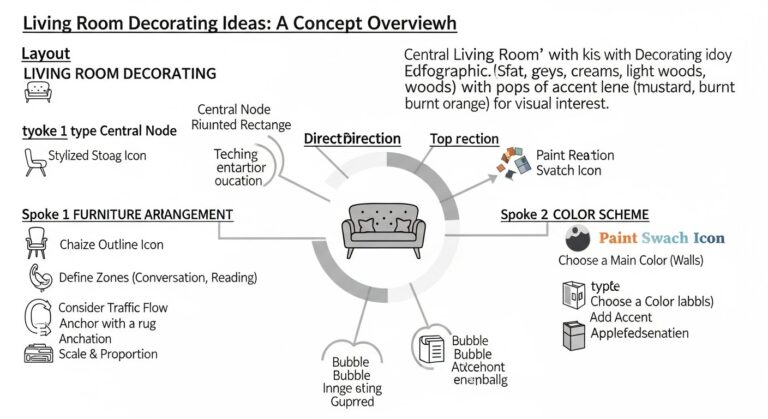
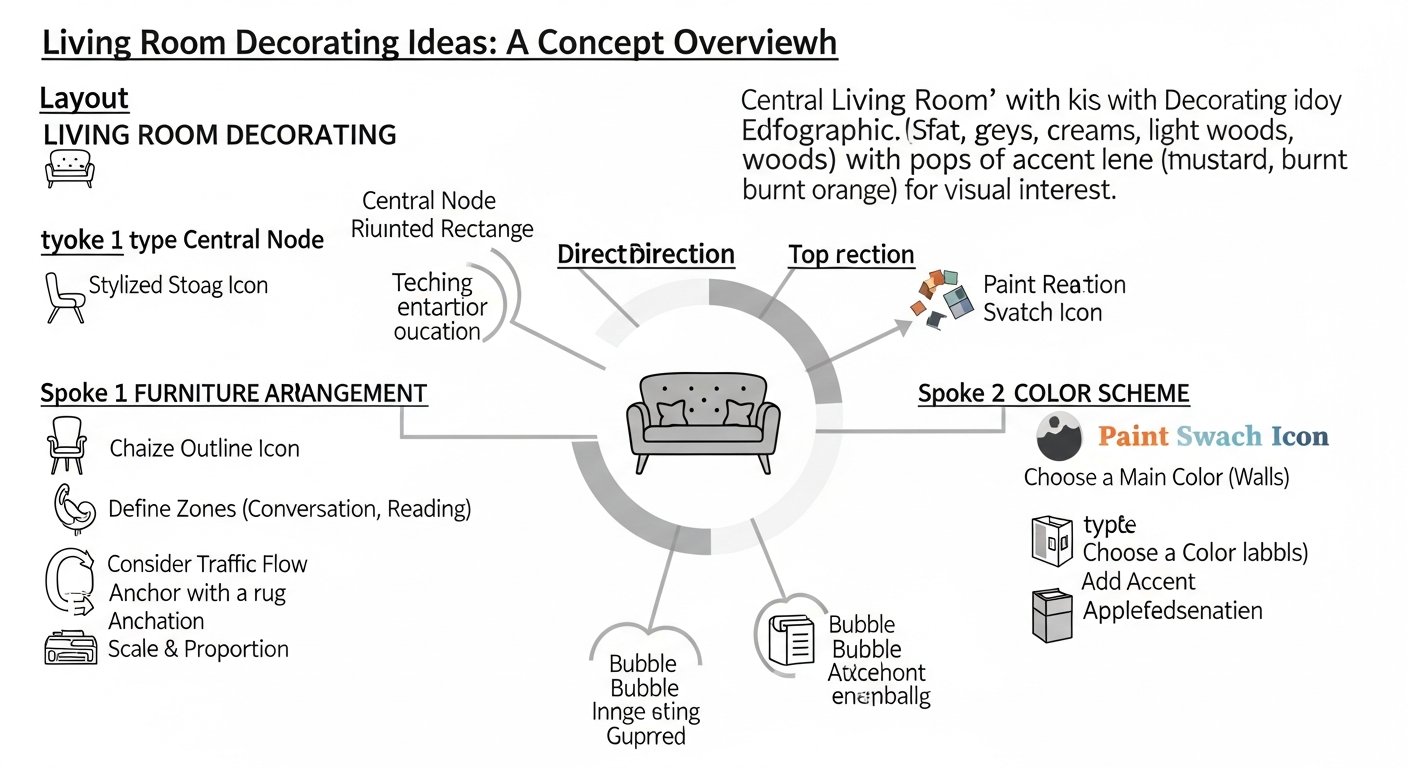
- **Steps to Planning Your Living Room Layout:**
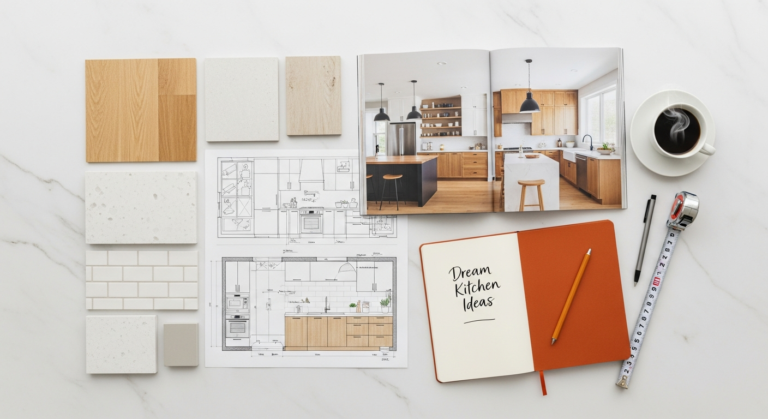
- **Measure Your Space:** Accurately measure the length and width of your room, noting doorways, windows, and architectural features.
- **Map Out Traffic Flow:** Identify natural pathways through the room and ensure furniture doesn’t obstruct them.
- **Define a Focal Point:** This could be a fireplace, a large window with a view, or an entertainment center. Arrange seating to face or complement this focal point.
- **Consider Scale and Proportion:** Ensure furniture sizes are appropriate for the room. A massive sectional in a tiny room will overwhelm it.
- **Use Templates or Online Tools:** Many interior design apps or even simple paper cutouts can help visualize layouts before moving heavy furniture.
Coffee Tables and Side Tables
Coffee tables and side tables are essential for functionality, providing surfaces for drinks, books, and decorative objects. When selecting a coffee table, consider its height and proximity to your sofa; for optimal comfort, ensure your coffee table is no more than 18 inches from your sofa, and its height should be similar to or slightly lower than your sofa’s seat cushions. Shape also matters: a round or oval table can soften a room full of angular furniture and is safer in homes with small children. Side tables should be placed within easy reach of seating, offering convenient spots for a lamp or a cup of tea. Materials for these tables can introduce texture and warmth, such as a sturdy oak coffee table or delicate marble-topped side tables.
Storage Solutions: Shelving and Cabinets
In any home, maintaining an organized and clutter-free living area is paramount for peace of mind. Incorporating smart storage solutions, such as elegant bookshelves, closed-door cabinets, or decorative baskets, is key to achieving this. Floating shelves can display cherished collections or provide space for plants, adding visual interest without taking up floor space. Media consoles often combine open and closed storage, perfect for electronics and concealing unsightly wires. When integrating storage, consider its overall scale and how it complements the existing furniture. A large, imposing cabinet might overpower a smaller room, whereas a series of custom built-ins can seamlessly integrate into the architecture.
For a deeper dive into selecting and arranging furniture, explore our comprehensive guide on Modern Living Room Furniture Guide.
What Are the Best Lighting Ideas for a Living Room?
Effective lighting design is a critical, yet often overlooked, component of successful home interior ideas for living rooms. It has the power to define the mood, highlight architectural features, and provide essential functionality, transforming a space from merely functional to truly atmospheric. A well-lit living area utilizes a layered approach, combining different types of light to achieve a balanced and inviting glow. Relying solely on a single overhead fixture can result in a flat, uninspiring room, lacking depth and visual interest.
The three main types of lighting to consider are ambient, task, and accent. **Ambient lighting** provides overall illumination, typically from overhead fixtures like recessed lights, chandeliers, or flush mounts. This is your general light source, ensuring the room is adequately bright. **Task lighting** is focused light for specific activities, such as reading. This includes floor lamps next to a reading chair or table lamps on a side table. Finally, **accent lighting** is used to highlight specific features, like artwork, plants, or a textured wall, adding drama and visual interest. This can be achieved with picture lights, wall sconces, or adjustable track lighting. Dimmable switches are a game-changer, allowing you to adjust the intensity of ambient and accent lights to suit various times of day or activities.
For a deeper dive into optimizing your home’s illumination, explore our comprehensive guide on Living Room Lighting Design.
[INLINE IMAGE 2: illustration showcasing various types of living room lighting layers]
Accessorizing Your Living Space: Art, Rugs, and Decor
Once the foundational elements of furniture and lighting are in place, the fun begins with accessorizing – adding the personal touches that truly make a house a home. Accessorizing your living space is where your unique personality shines through, transforming a well-designed room into a curated reflection of your life and style. These elements, including art, rugs, decorative objects, and textiles, provide texture, color, and visual interest, elevating the overall room aesthetic inspiration. It’s about creating a curated collection rather than a cluttered display, ensuring each piece contributes to the overall narrative.
Rugs are often considered the “fifth wall” of a room; a well-chosen rug can anchor a seating area, define zones in an open-plan space, and introduce warmth, texture, and color. Ensure your rug is appropriately sized, large enough to fit at least the front two legs of all main seating pieces. Artwork is another powerful tool for personalization; whether it’s a large statement piece above the sofa, a gallery wall of cherished photos, or a collection of framed prints, art adds character and a focal point. When hanging art, consider eye level for standalone pieces, and ensure gallery walls are balanced in terms of color and scale.
Decorative pillows and throw blankets are simple yet effective ways to add texture, pattern, and seasonal color changes to your sofa and chairs. Don’t underestimate the power of greenery; indoor plants bring life, freshness, and a natural element to any room, purifying the air and adding a touch of biophilic design. Vases, sculptures, candles, and curated book collections displayed on shelves all contribute to the layering of interest. Remember to group items in odd numbers (the rule of three is popular) for a more visually appealing arrangement, and vary heights and textures within each vignette.
For a deeper dive into perfecting the details, explore our comprehensive guide on Bohemian Living Room Decor.
Common Living Room Decorating Mistakes to Avoid
Even with the best intentions, certain pitfalls can derail your efforts to decorate your main living area beautifully. Recognizing and avoiding these common mistakes can save you time, money, and frustration, ensuring your design vision comes to life seamlessly. Learning from what “failure looks like” in others’ experiences can empower you to achieve “what success looks like” in your own home.
- **Ignoring Scale and Proportion:** This is a classic error. A tiny rug in a large room, oversized furniture crammed into a small space, or a minuscule piece of art on a massive wall can throw off the entire balance. Always measure your space and furniture before purchasing.
- **Poor Lighting Design:** Relying on a single overhead light fixture creates a flat, uninviting atmosphere. Neglecting task or accent lighting makes a room feel one-dimensional and can hinder activities. Layer your lighting for depth and functionality.
- **Over-Accessorizing:** While personal touches are vital, too many decorative items can lead to clutter and visual chaos. A curated approach, where each piece has a purpose or aesthetic value, is far more effective. Edit frequently.
- **Not Defining a Focal Point:** Every room benefits from a clear focal point – a fireplace, a prominent window, a piece of art, or an entertainment center. Without one, the eye doesn’t know where to rest, and the room can feel disjointed.
- **Neglecting Traffic Flow:** Blocking doorways, creating narrow passages between furniture, or placing items in high-traffic zones can make a living room feel cumbersome and dysfunctional. Ensure at least 3 feet of clear pathway for high-traffic areas.
- **Improper Rug Sizing:** A rug that is too small for the seating area will make the room feel disjointed. Ideally, a rug should extend under the front legs of all primary seating pieces to anchor the space effectively.
- **Choosing the Wrong Paint Finish:** While paint color is important, the finish (matte, eggshell, semi-gloss) also plays a role. Matte finishes can hide imperfections but are harder to clean, while semi-gloss is durable but highlights flaws. Choose wisely based on wear and tear and desired aesthetic.
- **Following Trends Too Strictly:** While inspiration from trends is great, a room designed entirely around fleeting fads can quickly look dated. Incorporate trends through easily changeable accessories while keeping foundational pieces timeless.
Budgeting for Your Living Room Transformation
A beautiful living room doesn’t necessarily require an unlimited budget. Smart budgeting and strategic spending can help you achieve stunning results without breaking the bank. The key is to prioritize your investments and be realistic about what you can afford. Start by identifying the “must-have” items that are essential for functionality and comfort, such as a quality sofa, and then allocate funds for “nice-to-have” elements and decorative accents.
Consider the lifespan and importance of each item. It’s often wise to invest more in durable, foundational pieces like a sofa or large area rug, as these items endure significant wear and tear and are difficult to replace. For accessories, lighting, and smaller decorative items, you can often find stylish and affordable options that can be easily swapped out to refresh your space over time. Exploring second-hand markets, upcycling existing furniture, or tackling DIY projects can also provide creative living room solutions and significant cost savings. Always factor in potential delivery fees, installation costs, and any professional help you might need.
For a deeper dive into managing your finances during a home decor project, explore our comprehensive guide on Home Decor Budgeting Tips.
Bringing Your Living Room Decor Ideas to Life
Embarking on a living room redesign, whether a full overhaul or a simple refresh, is an exciting journey of self-expression and creativity. This comprehensive guide has provided you with the foundational knowledge, expert insights, and practical tips needed to approach your project with confidence. From understanding your space’s purpose and defining your style to mastering color palettes, selecting essential furniture, layering lighting, and accessorizing with intention, each step contributes to crafting a cohesive and inviting environment.
Remember that the process is iterative. Don’t be afraid to experiment, move things around, and live with your choices for a bit before finalizing them. The most successful spaces are those that evolve and adapt, reflecting the lives lived within them. The goal is to create a nurturing, comfortable, and stylish home that truly feels like a sanctuary for the modern woman, balancing aesthetics with the demands of family life. Trust your instincts, enjoy the process, and soon you’ll be enjoying a beautifully transformed living room.
For a deeper dive into the execution phase and maintenance, explore our comprehensive guide on Interior Design Project Management.
Sources & References
- Friedman, S. (2021). *The New Design Rules: How to Decorate and Renovate, from Start to Finish*. Clarkson Potter.
- Pile, J. F., & Gura, J. (2018). *A History of Interior Design*. Laurence King Publishing.
- Trulsson, L. (2020). *Homebody: A Guide to Creating Spaces You Never Want to Leave*. Zondervan.
- Sherwin-Williams. (n.d.). *Color Selection Tips*. Retrieved from Sherwin-Williams Website
- National Association of Home Builders. (2026). *Housing Trends and Preferences Study*.
About the Author
Leilani Sato, Lifestyle Blogger & Creative Director — I share my passion for creating beautiful, functional homes and inspiring everyday living through thoughtful design and mindful practices.
Reviewed by Naomi Clarke, Senior Lifestyle Editor — Last reviewed: March 30, 2026