

























Dream Kitchen Makeover: Essential Kitchen Renovation Ideas & Planning Tips
By John Doe | Published: | Last updated:
Laying the Foundation: Defining Your Vision and Budget for Kitchen Renovation
Embarking on a kitchen renovation project is an exciting venture, but its success hinges on meticulous planning, starting with a clear vision and a realistic budget. Before you dive into material samples or appliance catalogs, take the time to deeply understand what you want and what you can afford. This foundational step is crucial for making informed decisions and preventing costly surprises down the line.
Cultivating Your Kitchen Vision
Begin by envisioning your ideal kitchen. What bothers you about your current space? What functionalities are missing? What aesthetic speaks to you? Consider the following:
- Functionality Needs: Do you entertain frequently? Are you a passionate home baker? Do you need a dedicated homework zone for children? Your lifestyle dictates the kitchen layout and features you’ll prioritize. For instance, a dedicated baking station might require extra counter space and specific appliance hookups, while an entertaining kitchen could benefit from a large island and ample seating.
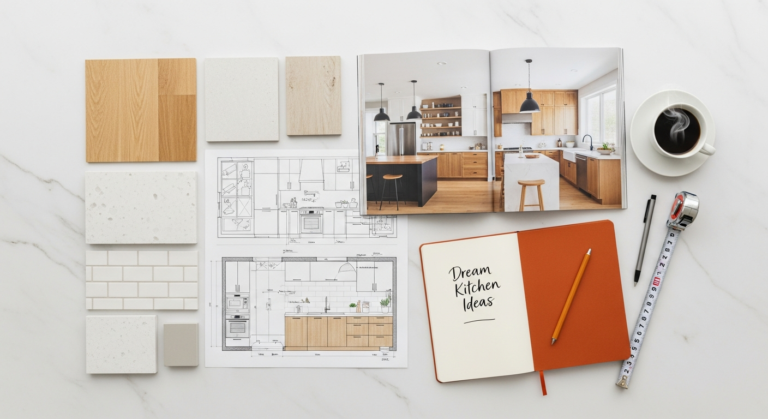
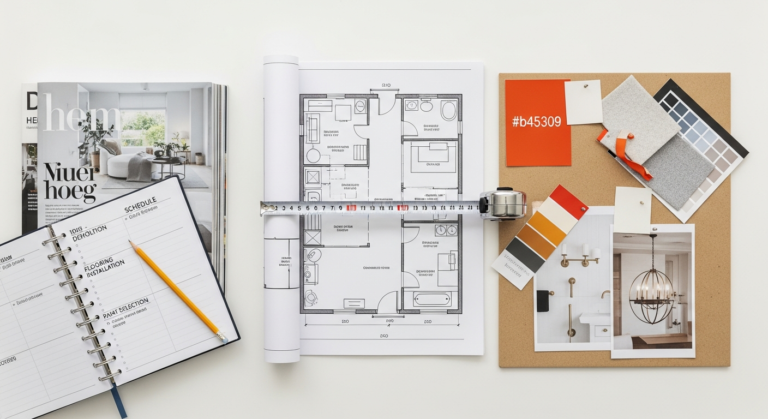
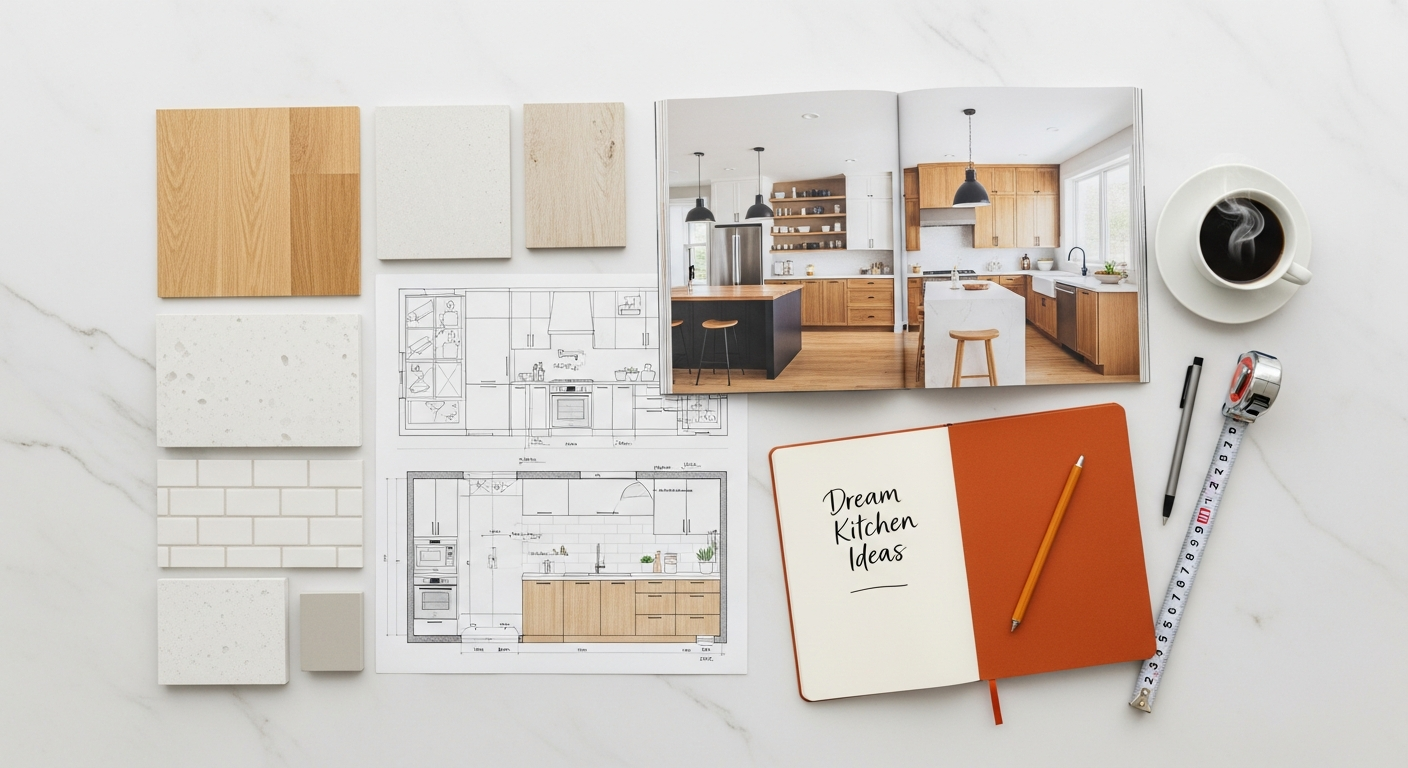
- Aesthetic Preferences: Explore different styles—modern minimalist, rustic farmhouse, classic traditional, industrial chic. Collect inspiration from design magazines, Pinterest boards, and showroom visits. Pay attention to elements like color palettes, material textures, and architectural details. Creating a mood board is an excellent way to consolidate your ideas and communicate your vision to designers and contractors.
- Problem Solving: Identify the pain points of your current kitchen. Is there not enough storage? Is the workflow inefficient? Does it lack natural light? Your renovation should directly address these issues.
Actionable Tip: Spend a week actively observing how you use your current kitchen. Note what works well, what causes frustration, and what you wish you had. This practical insight is invaluable for a truly functional redesign.
Establishing a Realistic Budget
Here’s what to include in your budget planning:
- Design Fees: If you hire an interior designer or kitchen specialist.
- Demolition Costs: For removing old cabinetry, flooring, etc.
- Cabinetry: Often the largest expense, ranging from stock to semi-custom to fully custom.
- Countertops: Material choice significantly impacts cost (laminate is budget-friendly, natural stone or quartz is higher).
- Appliances: From basic models to high-end smart appliances.
- Flooring: Materials and installation.
- Backsplash: Tiles, labor.
- Lighting: Fixtures, electrical work.
- Plumbing: Sink, faucet, new lines or relocation.
- Electrical: Outlets, switches, dedicated circuits for new appliances.
- Permits: Necessary for structural changes, plumbing, and electrical work.
- Contingency Fund: Crucial! Allocate 10-20% of your total budget for unforeseen issues (e.g., discovering mold or outdated wiring behind walls).
Actionable Tip: Get at least three detailed quotes from different general contractors. Ensure these quotes break down costs by category so you can compare “apples to apples” and understand where your money is going. Be upfront about your budget range to help contractors tailor their proposals.
Mastering the Layout: Transformative Kitchen Renovation Ideas for Functionality
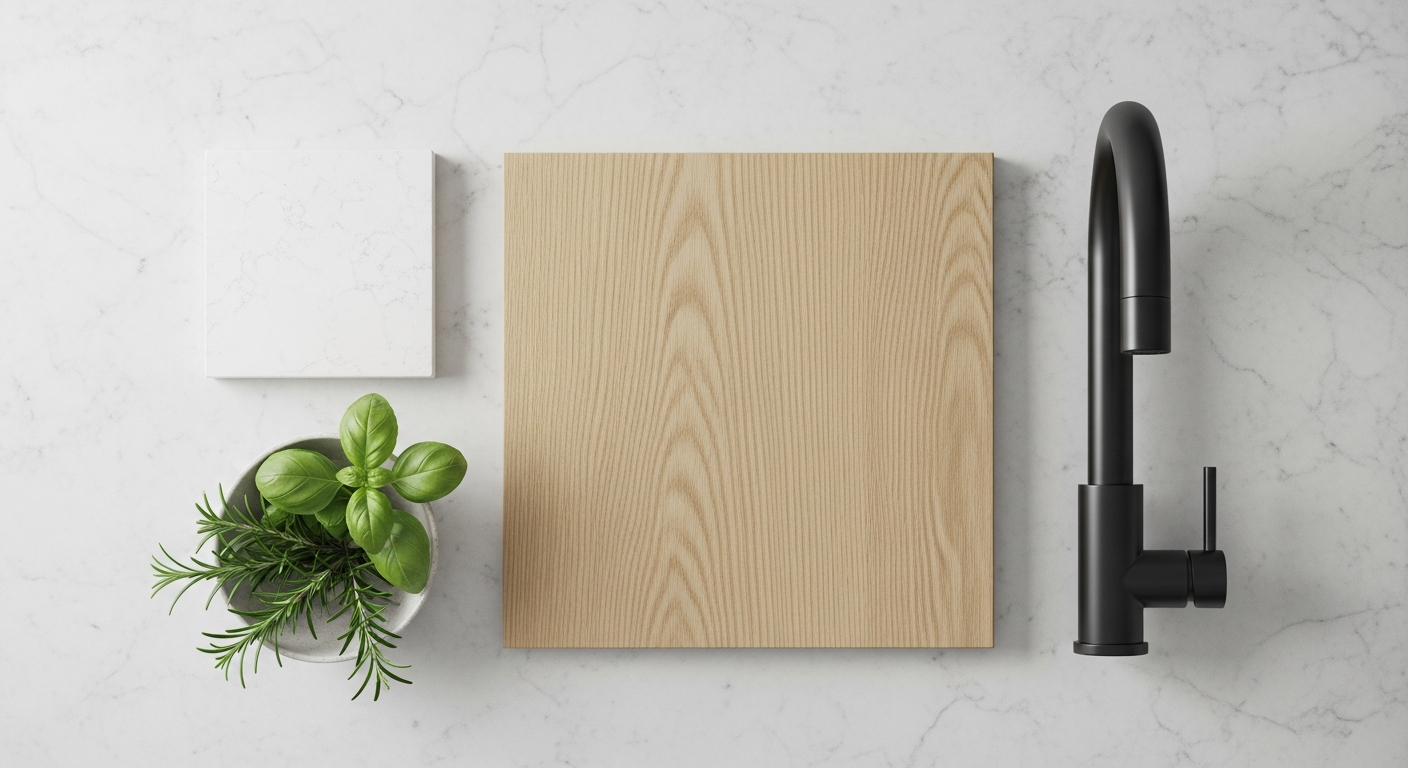
The layout is the backbone of any functional kitchen. Even with the most beautiful finishes, a poorly planned layout can make your kitchen a chore to use. This section explores fundamental design principles and innovative kitchen renovation ideas to optimize your space for efficiency and enjoyment.
Understanding the Kitchen Work Triangle
The classic “work triangle” connects the refrigerator, sink, and cooktop/oven. This principle suggests that these three key areas should form a triangle, allowing for seamless movement between food storage, preparation, and cooking. Ideal distances are typically 4 to 9 feet between each point, with the total perimeter of the triangle between 13 and 26 feet. While modern kitchens often incorporate islands and multiple prep zones, the core concept of easy access to these primary functions remains vital.
- Refrigerator Placement: Near the kitchen entrance for easy grocery unloading.
- Sink Location: Typically central, often under a window, and near the dishwasher for convenience.
- Cooking Zone: Range, oven, or cooktop should be easily accessible but away from high-traffic pathways to prevent accidents.
Common Layout Options and When to Use Them
Choosing the right kitchen layout depends heavily on your kitchen’s size, shape, and how it connects to other living areas:
- Galley Kitchen: Two parallel walls of cabinets and appliances.
- Pros: Highly efficient, maximises storage and counter space in a compact footprint.
- Cons: Can feel narrow; limited seating options.
- Ideal for: Smaller homes, apartments, serious cooks who value efficiency.
- L-Shaped Kitchen: Cabinets along two perpendicular walls.
- Pros: Excellent for open-concept homes, allows for flexible traffic flow, often accommodates a small island or dining table.
- Cons: Can create awkward corner storage.
- Ideal for: Medium to large kitchens, open floor plans, homes that want a more social kitchen.
- U-Shaped Kitchen: Cabinets and appliances along three walls.
- Pros: Maximum storage and counter space, often creates a very efficient work triangle.
- Cons: Can feel enclosed in smaller spaces; corner accessibility can be an issue.
- Ideal for: Larger kitchens, dedicated cooking zones, households needing extensive storage.
- Island Kitchen: Any of the above with a central island.
- Pros: Adds extra prep space, seating, storage, and can house a sink or cooktop. Great for entertaining.
- Cons: Requires ample space for surrounding walkways (at least 36-42 inches).
- Ideal for: Larger kitchens, open-plan living, families who use the kitchen as a central gathering spot.
Actionable Tip: Before committing to a layout, use masking tape on your floor to outline the new placement of cabinets, appliances, and islands. Walk through it to simulate daily use and identify potential bottlenecks or inefficiencies.
Innovations in Storage and Space Maximization
Beyond the basic layout, smart storage solutions are critical kitchen renovation ideas for optimizing functionality, especially in smaller kitchens:
- Pantry Solutions: From walk-in pantries to tall pull-out units, ensure your food storage is accessible and organized.
- Drawer Organizers: Custom inserts for utensils, spice racks, and plate holders keep things tidy.
- Corner Solutions: Le Mans pull-outs (magic corners) or lazy Susans maximize often-wasted corner cabinet space.
- Vertical Storage: Floor-to-ceiling cabinets, open shelving, and pot racks utilize vertical space.
- Appliance Garages: Conceal small appliances like toasters and coffee makers when not in use, keeping countertops clutter-free.
- Built-in Recycling/Composting: Integrated waste bins make eco-friendly living seamless.
Remember, a functional layout is one that supports your lifestyle. Don’t be afraid to break traditional rules if it makes your kitchen work better for you.
The Heart of the Kitchen: Selecting Materials and Finishes That Endure
Once your layout is perfected, it’s time to infuse personality and durability through material and finish selections. These choices profoundly impact your kitchen’s aesthetic, longevity, and maintenance requirements. Thoughtful consideration here ensures your dream kitchen remains beautiful and functional for years to come.
Cabinetry: The Foundation of Style and Storage
Cabinets dominate the visual landscape of your kitchen and represent a significant portion of your budget. Options include:
- Stock Cabinets: Pre-manufactured in standard sizes; most affordable. Limited design flexibility.
- Semi-Custom Cabinets: Offer more size options and design choices than stock, allowing for a better fit and personalized look. Mid-range price.
- Custom Cabinets: Built to your exact specifications, offering unlimited design flexibility, unique finishes, and specialized storage solutions. Most expensive.
Popular Door Styles:
- Shaker: Timeless, clean lines with a recessed center panel. Versatile for traditional to modern aesthetics.
- Flat-Panel (Slab): Sleek, minimalist look, often seen in modern and contemporary designs.
- Raised-Panel: More ornate, adds depth and a traditional feel.
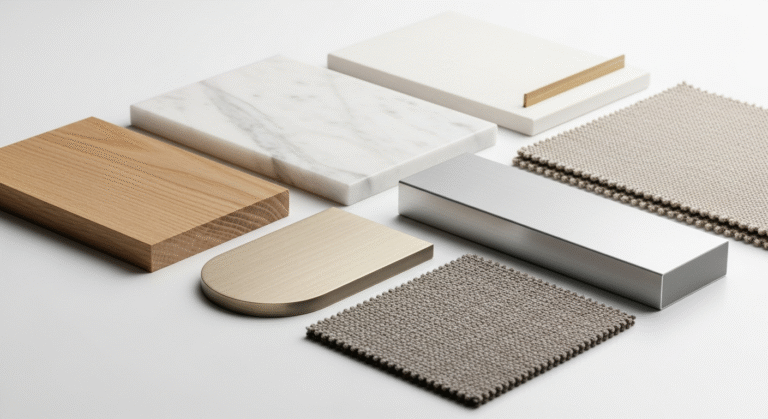
Materials & Finishes: Wood (maple, cherry, oak), MDF (medium-density fiberboard), thermofoil, and laminate are common. Finishes range from natural stains to painted surfaces. White and gray remain popular for their versatility, but bolder colors are trending for islands or lower cabinets.
Actionable Tip: Prioritize quality construction for cabinets. Look for solid wood frames, dovetailed drawers, and soft-close hinges and slides. These features contribute significantly to durability and user experience.
Countertops: Workhorse and Focal Point
Your countertops must withstand daily wear and tear while contributing significantly to your kitchen’s style. Popular materials include:
- Quartz: Engineered stone, highly durable, non-porous (stain-resistant), wide range of colors and patterns. Low maintenance.
- Granite: Natural stone, heat-resistant, durable. Requires sealing periodically. Unique natural patterns.
- Marble: Luxurious natural stone, distinctive veining. Softer and more porous than granite, prone to etching and staining, requiring more maintenance.
- Butcher Block: Warm, natural wood surface. Requires regular oiling and sealing. Can be sanded and refinished.
- Laminate: Most affordable option, vast array of colors and patterns. Less durable than stone, prone to scratching and heat damage.
Actionable Tip: Consider how you use your kitchen. If you’re a heavy cook or have young children, quartz or granite might be a more practical choice than marble, despite marble’s undeniable beauty.
Flooring: Durable and Design-Cohesive
Kitchen flooring needs to be resilient, easy to clean, and slip-resistant. Popular choices for kitchen renovation ideas include:
- Tile (Ceramic or Porcelain): Extremely durable, water-resistant, wide range of styles and colors. Can be cold and hard underfoot.
- Hardwood: Adds warmth and elegance. Can be refinished. Requires careful maintenance against spills and scratches.
- Luxury Vinyl Tile (LVT) / Luxury Vinyl Plank (LVP): Highly durable, water-resistant, mimics the look of wood or stone at a lower cost. Comfortable underfoot.
- Concrete: Modern, industrial look. Extremely durable, but hard and can be cold.
Backsplash: The Decorative Touch
The backsplash protects walls from splatters and offers a fantastic opportunity to add texture, color, and personality. Options range from classic subway tiles to intricate mosaics, natural stone, or even slab backsplashes matching your countertops.
Actionable Tip: Order samples of all your chosen materials—cabinet doors, countertop swatches, flooring, and backsplash tiles. View them together in different lighting conditions in your home to ensure they complement each other harmoniously.
Integrating Innovation: Smart Appliances and Sustainable Kitchen Renovation Ideas

Modern kitchen renovations are increasingly focused on integrating smart technology and sustainable practices. These innovations not only enhance convenience and efficiency but also contribute to a healthier home and a reduced environmental footprint. Embracing these trends can future-proof your kitchen and align it with contemporary living standards.
Embracing Smart Appliances for Enhanced Convenience
The realm of smart kitchen appliances has expanded rapidly, offering features that streamline cooking, meal planning, and even grocery shopping:
- Smart Refrigerators: Features like internal cameras to see contents from your phone, touchscreens for meal planning, grocery lists, and even playing music. Some can track food expiration dates.
- Smart Ovens and Ranges: Remote preheating, temperature control via smartphone apps, guided cooking programs, and even self-cleaning notifications.
- Smart Dishwashers: Remote start, cycle selection, and notifications when dishes are clean. Some can automatically reorder detergent.
- Induction Cooktops: Offer precise temperature control, faster heating, and energy efficiency compared to traditional electric or gas, as they heat the cookware directly. Many include smart features for safety and cooking presets.
- Smart Faucets: Touchless activation, precise temperature control, and measured dispensing (e.g., “dispense 8 ounces of water”). Some can even detect leaks.
While the initial investment for smart appliances can be higher, the convenience and potential for energy savings can be significant. Consider which smart features genuinely benefit your lifestyle rather than simply adopting technology for its own sake.
Actionable Tip: Before purchasing, read reviews and watch demonstrations of smart appliances. Ensure they integrate well with your existing smart home ecosystem (if you have one) and that the features are intuitive for you to use.
Sustainable Kitchen Renovation Ideas for an Eco-Conscious Home
Designing a sustainable kitchen involves choices that minimize environmental impact and promote health and well-being:
- Energy-Efficient Appliances: Prioritize appliances with the ENERGY STAR® label, indicating superior energy efficiency. This reduces utility bills and your carbon footprint. For example, an ENERGY STAR certified refrigerator uses about 9% less energy than a conventional model.
- Water-Saving Fixtures: Install low-flow faucets and dishwashers that conserve water without sacrificing performance. Look for WaterSense-labeled products.
- Sustainable Materials:
- Reclaimed Wood: For shelving, islands, or even flooring, reclaimed wood offers unique character and prevents new deforestation.
- Bamboo: A rapidly renewable resource, bamboo is durable for flooring and cabinetry.
- Recycled Content Countertops: Options made from recycled glass, paper, or even plastic offer unique aesthetics and reduce landfill waste.
- Low-VOC Paints and Finishes: Volatile Organic Compounds (VOCs) can off-gas harmful chemicals. Choose low-VOC or zero-VOC paints for cabinets and walls to improve indoor air quality.
- Waste Management Solutions: Incorporate dedicated bins for recycling, composting, and trash. Pull-out units under the counter make separation easy and keep waste out of sight.
- LED Lighting: LEDs consume significantly less energy than incandescent bulbs and have a much longer lifespan, reducing waste and energy costs.
Actionable Tip: When sourcing materials, ask suppliers about their sustainability practices and certifications. A growing number of manufacturers are committed to eco-friendly production methods, from responsibly harvested wood to recycled content. Incorporating even a few sustainable elements can make a big difference.
Illuminating Your Space: Strategic Lighting for Ambiance and Task Efficiency
Lighting is often an overlooked element in kitchen renovation plans, yet it profoundly impacts both the functionality and atmosphere of your space. A well-designed lighting scheme incorporates multiple layers to ensure every task is well-lit and the overall ambiance is warm and inviting.
The Three Layers of Kitchen Lighting
Effective kitchen lighting combines these three categories:
- Ambient Lighting: The general, overall illumination of the room.
- Purpose: Provides comfortable brightness for general activities and fills the room with light.
- Fixtures: Recessed can lights are popular for their discreet look. Flush-mount or semi-flush-mount fixtures can also serve this purpose, especially in kitchens with lower ceilings.
- Task Lighting: Focused light for specific work areas.
- Purpose: Eliminates shadows and provides bright illumination for tasks like chopping, reading recipes, or washing dishes. Essential for safety and precision.
- Fixtures: Under-cabinet lighting (LED strips or puck lights) is crucial for illuminating countertops. Pendant lights are excellent above islands or peninsulas, providing both task lighting and a decorative element.
- Accent Lighting: Highlights architectural features, artwork, or decorative elements.
- Purpose: Adds depth, drama, and visual interest, enhancing the kitchen’s aesthetic appeal.
- Fixtures: In-cabinet lighting (especially in glass-front cabinets), toe-kick lighting, or small directional spotlights to illuminate a unique backsplash or open shelving.
Actionable Tip: Always use dimmers on as many light fixtures as possible. Dimmers allow you to adjust the light intensity to suit different moods and times of day, from bright task lighting to soft ambient glow.
Maximizing Natural Light and Smart Controls
Natural light is invaluable for making a kitchen feel more spacious, airy, and inviting. When planning your kitchen renovation ideas, consider:
- Window and Door Placement: If possible, enlarge existing windows or add new ones to bring in more daylight. French doors or sliding glass doors leading to a patio can also flood the kitchen with light.
- Light Colors and Reflective Surfaces: Lighter paint colors, glossy finishes on cabinets, and reflective countertops (like polished quartz) can help bounce natural and artificial light around the room.
- Open Shelving: Reduces the visual weight of upper cabinets, allowing light to flow more freely.
Smart Lighting Controls:
Integrating smart lighting systems allows you to control your kitchen lights via voice commands, smartphone apps, or automated schedules. You can set scenes (e.g., “cooking scene” with bright task lighting, “dinner scene” with softer ambient light) and even tie lighting into motion sensors or other smart home devices.
The Renovation Journey: From Planning to Polished Perfection
Transforming your kitchen is a significant undertaking that extends beyond design choices. It involves a structured process, from selecting the right professionals to navigating the construction phase. Understanding this journey will help you manage expectations, minimize stress, and ensure a smooth path to your dream kitchen.
Hiring the Right Professionals
Unless you’re planning a very minor cosmetic update, a successful kitchen renovation almost always requires a team of experts:
- Kitchen Designer: Specializes in kitchen layouts, cabinetry, and material selection. They can optimize your space, suggest innovative solutions, and create detailed plans.
- General Contractor: Oversees the entire project, coordinates subcontractors (plumbers, electricians, carpenters), manages the timeline, and ensures the work adheres to building codes and your specifications.
- Architect (if structural changes are involved): Essential for complex structural modifications, such as removing load-bearing walls.
Vetting Process:
- Get Referrals: Ask friends, family, or your kitchen designer for recommendations.
- Check Credentials: Verify licenses, insurance, and professional affiliations.
- Review Portfolios: Look at past projects to assess their style and quality of work.
- Request Detailed Bids: Obtain at least three written bids that break down costs, materials, and labor.
- Check References: Speak to previous clients about their experience with the professional, focusing on communication, adherence to budget/timeline, and problem-solving.
- Sign a Comprehensive Contract: Ensure it includes project scope, timeline, payment schedule, change order process, and warranty information.
Actionable Tip: Trust your gut feeling during the interviewing process. You’ll be working closely with these individuals for weeks or months, so clear communication and a good rapport are paramount.
Navigating Permits and Regulations
Most significant kitchen renovations require permits from your local municipality. This includes changes to plumbing, electrical, and structural elements. Attempting to renovate without proper permits can lead to fines, difficulties selling your home, and safety hazards.
- Your general contractor should typically handle the permit application process.
- Be aware that obtaining permits and scheduling inspections can add several weeks to your project timeline.
Managing the Renovation Timeline and Living Through It
A full kitchen renovation can take anywhere from 6 to 12 weeks, or even longer for extensive remodels or custom work. Unexpected issues (e.g., material delays, unforeseen structural problems) can extend this timeline, reinforcing the need for a contingency fund and flexible expectations.
Living Without a Kitchen:
- Set up a Temporary Kitchen: Designate an area (e.g., laundry room, dining room) with a microwave, toaster oven, slow cooker, and mini-fridge.
- Meal Planning: Plan for takeout, easy-to-prepare meals, or even grilling outdoors.
- Storage: Pack up non-essential kitchen items and store them away to protect them from dust and damage.
Actionable Tip: Establish a clear communication plan with your contractor. Agree on regular check-ins (e.g., weekly meetings) to discuss progress, address concerns, and approve any change orders promptly.
Post-Renovation Checklist
Once construction is complete, a few final steps ensure everything is perfect:
- Final Walkthrough: Inspect every detail with your contractor. Note any imperfections or items not completed to satisfaction.
- Punch List: Create a detailed list of all deficiencies to be corrected before final payment.
- Warranty Information: Collect all warranties for appliances, materials, and workmanship.
- Cleaning: A professional post-construction cleaning is often worthwhile to remove all dust and debris.
Your dream kitchen is within reach with careful planning, clear communication, and the right team. Embrace the journey, and soon you’ll be enjoying a space that truly reflects your style and enhances your daily life.
Conclusion: Your Dream Kitchen Awaits
Embarking on a kitchen renovation is more than just an aesthetic upgrade; it’s an investment in your home, your lifestyle, and your well-being. From meticulously defining your vision and budget to selecting durable materials, integrating smart technology, and mastering the art of illumination, every decision contributes to creating a space that is both beautiful and profoundly functional. We’ve explored essential kitchen renovation ideas, emphasizing the importance of a well-planned layout, sustainable choices, and strategic lighting, all underpinned by the necessity of partnering with trusted professionals.
Remember, your kitchen is the heart of your home, and it deserves to be a place that inspires joy, facilitates connection, and effortlessly supports your daily routines. While the journey of renovation can present its challenges, the reward of a custom-designed space that perfectly aligns with your needs and dreams is immeasurable. Take these insights, start gathering your inspiration, and begin sketching the blueprint for your dream kitchen today. The first step, however small, sets you on the path to a more organized, efficient, and utterly captivating home environment.
Ready to transform your kitchen? Start by outlining your must-have features and desired aesthetic, then seek out local designers and contractors to bring your vision to life!
Frequently Asked Questions About Kitchen Renovations