













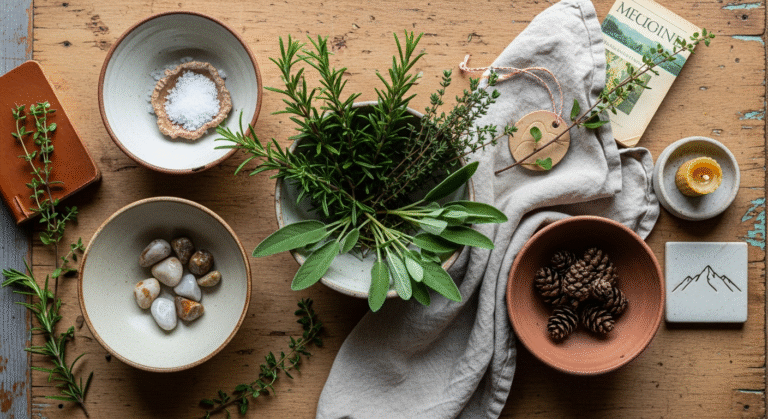









The Foundation: Understanding the Essence of Welcome
Before we delve into specific design elements or practical tips, it’s crucial to understand what “welcoming” truly signifies in the context of a home. It extends far beyond mere cleanliness or visual appeal. A truly welcoming home atmosphere is one that immediately puts people at ease, makes them feel valued, and encourages them to relax and be themselves. It’s about creating an environment where both inhabitants and guests feel comfortable, respected, and genuinely cared for. This profound sense of welcome is built upon several layers, each contributing to an overarching feeling of warmth and belonging.
At its core, welcome is a feeling – an emotional response that is triggered by a harmonious blend of sensory experiences. Think about the homes you’ve visited that instantly made you feel good. Was it the gentle lighting, the soft scent, the comfortable seating, or the genuine smile of your host? Often, it’s all of these elements working in concert. A welcoming space speaks to our innate human need for comfort and security. It signals that this is a place where one can let down their guard, where conversations flow easily, and where memories are made without pressure. It’s a space that feels lived-in and loved, rather than sterile or overly formal.
Moreover, a truly welcoming home reflects the personality and values of those who live within its walls. It’s a space that tells a story, subtly sharing who you are and what you cherish. This personalization, however, must be balanced with an awareness of clutter. While personal touches are essential for warmth, excessive clutter can ironically create a sense of overwhelm and unease, making a space feel less welcoming. The goal is to curate, not accumulate, ensuring that every item contributes meaningfully to the overall atmosphere. Consider how your home currently communicates to visitors and to yourself. Does it invite relaxation, connection, and joy, or does it inadvertently convey stress, formality, or disorganization? Understanding this foundational essence is the first step towards intentionally cultivating a home that truly welcomes all who enter.
The Psychology of Comfort: More Than Just Soft Furnishings
The concept of comfort in a welcoming home delves deeper than simply having soft sofas or plush rugs. It encompasses a psychological dimension, influencing how our brains perceive safety, relaxation, and belonging. When we step into a space that feels inherently comfortable, our stress levels tend to decrease, and our minds are more open to connection. This psychological comfort is often achieved through a combination of thoughtful design and intentional arrangement.
- Visual Harmony: A balanced and cohesive design, where colors, textures, and furniture styles complement each other, creates visual ease. Disparate elements can lead to a sense of visual clutter or disarray, which subconsciously triggers unease.
- Sense of Order: While a home should feel lived-in, a basic level of organization contributes significantly to psychological comfort. Knowing where things are and having clear pathways reduces mental friction. It’s not about perfection, but about an underlying sense of calm.
- Personal Expression: Spaces that genuinely reflect the inhabitants’ personalities and passions – through art, books, or cherished objects – foster a sense of authenticity. This authenticity is comforting because it allows guests to connect with the real people behind the home, rather than a curated showroom.
- Emotional Connection: A welcoming home often holds memories and stories. Photographs, heirlooms, or handcrafted items can evoke positive emotions, making the space feel more profound and less superficial. This emotional resonance creates a deeper sense of comfort and belonging for both residents and visitors.
By consciously considering these psychological aspects of comfort, you can move beyond superficial decorating to create a truly nurturing and inviting atmosphere that resonates on a deeper emotional level.
Cultivating Visual Comfort: Design Elements for an Inviting Space
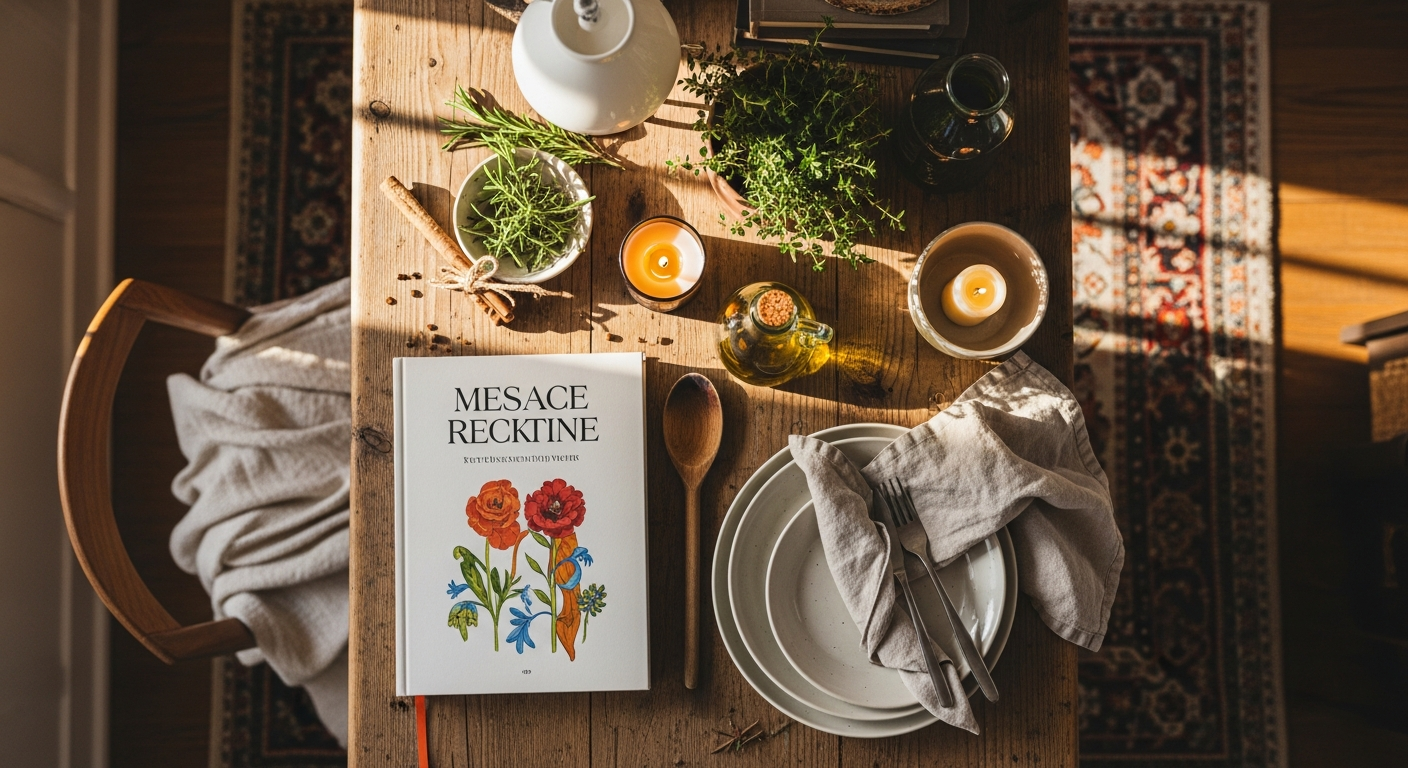
The visual appeal of your home plays a paramount role in establishing a welcoming atmosphere. It’s the first impression, the silent language your space speaks to anyone who enters. Thoughtful design choices can transform a mere house into a comforting haven, appealing to the eye and soothing the soul. Here, we delve into the key design elements that contribute to visual comfort, helping you craft spaces that are both beautiful and genuinely inviting.
Color Palettes That Embrace
The colors you choose for your walls, furniture, and accents profoundly impact the mood of a room. For a welcoming atmosphere, lean towards warm, inviting, and soothing tones. Think gentle neutrals like creamy whites, soft grays, and warm beiges, which provide a calm backdrop. Earthy tones such as terracotta, olive green, and muted blues can evoke a sense of grounding and tranquility. Pops of richer, jewel tones in textiles or artwork can add depth and personality without overwhelming the space. The key is to select a palette that feels harmonious and comforting, avoiding overly bright or stark colors that can feel jarring or cold. Consider how different hues make you feel; opt for those that inspire relaxation and warmth.
Layered Lighting: The Art of Illumination
Harsh overhead lighting is the nemesis of a welcoming home. Instead, embrace the power of layered lighting to create depth, warmth, and intimacy. This involves using a combination of ambient, task, and accent lighting:
- Ambient Lighting: Provides overall illumination. Think soft ceiling fixtures, chandeliers on dimmers, or wall sconces. Dimmers are your best friend, allowing you to adjust the intensity to suit the time of day or mood.
- Task Lighting: Essential for specific activities like reading or cooking. Well-placed table lamps, floor lamps, or under-cabinet lights provide focused light where needed without making the entire room too bright.
- Accent Lighting: Used to highlight architectural features, artwork, or plants, adding visual interest and creating focal points. Picture lights, track lighting, or uplights can create dramatic effects.
Opt for warm-toned bulbs (around 2700K-3000K) to cast a gentle, inviting glow, mimicking natural light or candlelight. The interplay of these light sources creates a dynamic and enveloping atmosphere, far more welcoming than a single, bright overhead fixture.
Furniture Arrangement: Inviting Interaction
How you arrange your furniture dictates the flow and functionality of a room, and critically, how people interact within it. For a welcoming space, prioritize comfort and conversation. Arrange seating areas so that chairs and sofas face each other, facilitating easy dialogue without shouting across the room. Ensure there’s ample space to move around furniture, avoiding cramped pathways. Consider creating smaller, intimate zones within larger rooms, perhaps a cozy reading nook or a dedicated conversation area. Soft, overstuffed sofas and armchairs with plenty of pillows and throws naturally invite people to sit down, relax, and stay awhile. Remember, the goal is to create an environment that encourages connection and ease.
Textiles & Textures: A Feast for the Senses
The tactile experience of a home is incredibly powerful in conveying welcome. Incorporating a variety of textiles and textures adds visual depth, warmth, and a luxurious feel. Think about layering: a soft wool rug underfoot, plush velvet cushions on the sofa, a chunky knit throw draped over an armchair, and linen curtains gently filtering light. These elements don’t just look good; they invite touch and offer comfort. Materials like cotton, linen, wool, cashmere, and faux fur add softness and richness. Don’t shy away from mixing patterns and textures within a cohesive color scheme to create visual interest and a sense of curated comfort. The more inviting your surfaces feel, the more welcoming your home will be.
Personal Touches & Curated Decor: Your Story, Your Welcome
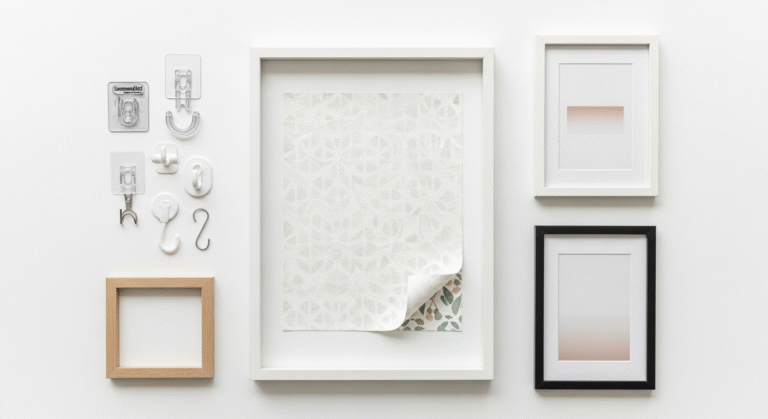
A home without personal touches can feel sterile and unwelcoming. Curated decor is about showcasing items that hold meaning, tell your story, and reflect your personality. This could be family photographs, travel mementos, cherished artworks, or a collection of books. These elements make a home feel lived-in and authentic, inviting guests to learn more about you. However, the line between personal and cluttered is fine. Aim for curation: display items thoughtfully, giving each piece space to breathe. Rotate items seasonally or as your tastes evolve to keep the display fresh and intentional. A well-placed gallery wall of meaningful art, or a shelf displaying treasured books and objects, can add immense character and warmth.
This is also where Statement Wall Ideas Living Room can be brilliantly integrated. A thoughtfully designed statement wall can serve as a powerful focal point, adding personality and depth without overwhelming the space. Instead of a busy pattern, consider a deep, inviting color in a velvet or matte finish, a subtle textured wallpaper, or a gallery wall featuring personal art and photography. The key is for it to complement the overall welcoming atmosphere, perhaps by using warm tones or showcasing elements that tell your story. A statement wall should enhance the room’s character, drawing the eye and adding a layer of sophistication and personal warmth, rather than just being a trendy design choice. For example, a living room might feature a wall painted in a rich, earthy green, adorned with framed botanical prints or personal travel photography, immediately giving the space a unique and inviting character that reflects the homeowner’s passions.
By combining these visual elements with intention, you create a space that not only looks beautiful but also genuinely feels like a warm embrace, setting the stage for true welcome.
Engaging the Senses: Beyond Sight for a Wholesome Welcome
The Power of Aroma: Scent as a Welcome Mat
Our sense of smell is incredibly powerful, directly linked to memory and emotion. A pleasant, subtle aroma can instantly create a positive impression and make a home feel inviting. Conversely, stale or unpleasant odors can be a major deterrent. Focus on natural, clean, and comforting scents:
- Freshness: Ensure your home is well-ventilated. Open windows regularly to let in fresh air.
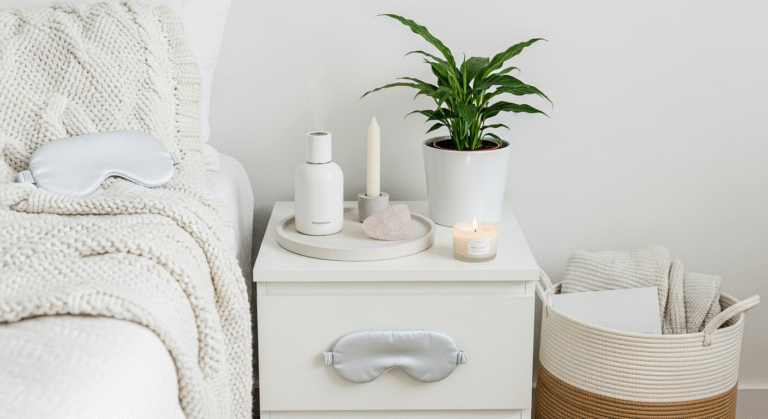
- Subtle Fragrance: Scented candles (soy or beeswax for cleaner burn), essential oil diffusers with calming blends like lavender, cedarwood, or citrus, or even fresh flowers can infuse a gentle aroma.
- Natural Scents: The smell of freshly baked cookies, brewing coffee, or simmering spices (cinnamon, cloves) can evoke a powerful sense of warmth and domestic bliss.
The key is subtlety; avoid overpowering artificial air fresheners or too many competing scents. A light, consistent fragrance throughout the main living areas is far more welcoming than an intense burst of perfume.
Soundscapes of Serenity: The Auditory Embrace
The sounds within a home, or the absence thereof, significantly impact its welcoming feel. A truly peaceful and inviting space manages its auditory environment carefully.
- Gentle Music: Soft, instrumental music, jazz, classical, or ambient tracks played at a low volume can enhance relaxation and create a sophisticated backdrop.
- Absence of Jarring Noise: Minimize background noise from appliances, traffic, or loud televisions. Consider sound-absorbing elements like thick rugs, heavy curtains, and upholstered furniture to dampen echoes.
- Nature’s Symphony: If possible, open a window to let in the gentle sounds of birdsong or a light breeze. Indoor water features can also add a soothing element.
The goal is to create an auditory environment that supports conversation, relaxation, and a sense of calm, rather than one that feels chaotic or distracting.
The Tactile Invitation: Touch and Texture
As discussed with textiles, the sense of touch is crucial. A welcoming home invites physical comfort through its surfaces. Think beyond just the sofa:
- Soft Furnishings: Plush throws, comfortable cushions, soft rugs, and upholstered furniture are essential.
- Natural Materials: Incorporate wood, stone, and natural fibers that feel pleasant to the touch. A smooth, cool marble countertop or a warm, grainy wooden table adds tactile interest.
- Comfort Underfoot: Soft rugs in high-traffic areas, or warm slippers offered to guests, can make a significant difference.
Every surface should ideally offer a pleasant tactile experience, signaling comfort and quality.
The Subtle Taste: Hospitality in a Sip or Bite
While not always overtly present, the sense of taste plays a role in hospitality. Offering a refreshing drink, a warm cup of tea or coffee, or a small, homemade treat immediately makes guests feel attended to and cared for. This simple gesture transcends mere sustenance; it’s a universal symbol of welcome and generosity. Having these items readily available, or even offering them upon arrival, contributes significantly to a truly welcoming atmosphere.
By consciously layering these sensory experiences, you craft a home that doesn’t just look good, but feels, smells, sounds, and even tastes inviting, creating a truly wholesome and memorable welcome for everyone.
Budget-Friendly Brilliance: Creating Welcome Without Breaking the Bank

The misconception that creating a welcoming, stylish home requires a limitless budget is simply untrue. With creativity, resourcefulness, and a discerning eye, you can transform your living spaces into a haven of warmth and hospitality without financial strain. In fact, some of the most charming and inviting homes are those that reflect a thoughtful, personal touch rather than extravagant spending. This section is dedicated to Home Decor Ideas Budget 2026, proving that elegance and welcome are accessible to everyone.
Reimagine & Rearrange: The Power of What You Already Own
Before you buy anything new, look at your existing furniture and decor with fresh eyes. Often, a simple rearrangement can dramatically alter the feel and flow of a room.
- Furniture Shuffle: Move your sofa to a different wall, angle an armchair, or swap pieces between rooms. This can open up new sightlines, create fresh conversation areas, and make a space feel entirely new.
- Declutter & Curate: A welcoming home is not a cluttered one. Spend time decluttering each room, removing items that no longer serve a purpose or bring joy. Then, thoughtfully curate your remaining items, displaying only those that add beauty or meaning. This free act instantly elevates any space.
- Accessorize with Intention: Gather your existing decorative objects, books, and art. Group them in new ways, create vignettes on shelves or coffee tables, and consider moving pieces to different rooms for a fresh perspective.
Paint: The Ultimate Budget Transformer
A fresh coat of paint is arguably the most impactful and budget-friendly way to revitalize a room.
- Embrace Warm Neutrals: As discussed, soft grays, warm beiges, creamy whites, or subtle earthy tones can instantly make a room feel cozier and more inviting.
- Accent Walls: If painting an entire room feels too daunting or costly, consider an accent wall. A deep, rich color on one wall can add drama, depth, and a focal point without requiring a full room overhaul. This is an excellent alternative to elaborate Statement Wall Ideas Living Room if your budget is tight, offering a similar impact with less expense.
- DIY Furniture Makeovers: Don’t overlook the power of paint on furniture. A dated dresser, a plain bookshelf, or a worn-out coffee table can be transformed with a few coats of paint, a new set of knobs, or even a stencil.
Thrift Store & Secondhand Treasures
The hunt for unique, budget-friendly decor is one of the most rewarding aspects of creating a personalized home.
- Vintage Finds: Thrift stores, consignment shops, and online marketplaces (like Facebook Marketplace or Craigslist) are goldmines for unique furniture, artwork, and decorative objects. Look for solid wood pieces that can be refinished, interesting frames for art, or vintage ceramics.
- Upholstery & Slipcovers: A well-built but worn armchair can be given a new lease on life with new upholstery (if you’re handy) or a custom slipcover, which is often much cheaper than buying new.
- Books & Records: Secondhand shops are fantastic for building a collection of books that add character and warmth to shelves, or for finding vintage records that contribute to a cozy auditory atmosphere.
Greenery on a Dime: Plants & Natural Elements
Bringing the outdoors in is an incredibly effective and affordable way to make a home feel fresh, vibrant, and welcoming.
- Houseplants: Many common houseplants are inexpensive and relatively easy to care for. Consider snake plants, Pothos, ZZ plants, or spider plants for their air-purifying qualities and visual appeal. You can often find cuttings from friends or local plant swaps.
- Foraged Elements: Collect branches, pinecones, interesting stones, or fresh flowers from your garden or local parks (ensure you’re allowed to forage). Arrange them simply in vases or bowls for organic, seasonal decor.
- DIY Terrariums: Create mini ecosystems with small plants, pebbles, and moss in clear glass containers. These are charming, low-maintenance, and very budget-friendly.
Smart Shopping & DIY Projects
When you do buy new, be strategic.
- Affordable Accents: Focus on impactful accessories like throw pillows, blankets, and small decorative items. These can be found at discount stores or online retailers at reasonable prices.
- DIY Artwork: Create your own abstract paintings, print out free botanical art, or frame beautiful fabric scraps to make unique and personal wall decor.
- Seasonal Swaps: Rather than buying entirely new decor for each season, focus on small, inexpensive swaps like a seasonal throw, a new set of candles, or fresh flowers that reflect the time of year. This keeps your home feeling current and inviting without major investment.
By embracing these budget-friendly strategies for 2026 and beyond, you can cultivate a home that exudes warmth, personality, and genuine welcome, proving that true style is more about imagination than expenditure.
The Human Element: Hospitality & The Art of Being Present
Beyond the curated aesthetics and sensory delights, the beating heart of a truly welcoming home atmosphere lies in the human element: the genuine warmth, attentiveness, and presence of the host. No matter how beautifully decorated or exquisitely scented a home may be, it is the spirit of hospitality that ultimately makes guests feel cherished and at ease. Creating a welcoming home isn’t just about the physical space; it’s profoundly about the intention and care you bring to interactions within that space.
Genuine Warmth and Attentiveness
True hospitality begins with a sincere desire to make others feel comfortable and valued. This translates into tangible actions:
- A Warm Greeting: A genuine smile, a friendly hug (if appropriate), and a heartfelt welcome upon arrival immediately set a positive tone.
- Making Eye Contact: Engaging with your guests shows you are present and interested in them.
- Active Listening: Pay attention to what your guests say, both verbally and non-verbally. This helps you anticipate their needs and respond thoughtfully.
- Offering Refreshments: A simple “Can I get you something to drink?” or “Are you hungry?” goes a long way. Have a selection of beverages (water, coffee, tea, perhaps a glass of wine) readily available.
- Anticipating Needs: Does it look like they need a pillow for their back, or a blanket because they’re chilly? Offering these without being asked demonstrates thoughtfulness.
These small gestures accumulate to create an overwhelming sense of being cared for and respected, which is the cornerstone of genuine welcome.
Fostering Easy Conversation
A welcoming home encourages connection, and often, this happens through good conversation. As a host, you can facilitate this:
- Open-Ended Questions: Ask questions that invite more than a yes or no answer, encouraging guests to share about themselves.
- Shared Interests: Find common ground and steer conversations towards topics that everyone can engage with and enjoy.
- Creating Space: Sometimes the best thing you can do is simply listen and allow silence to settle comfortably, rather than feeling the need to constantly fill the air.
- Mindful of Topics: Be aware of potentially sensitive or divisive topics and guide the conversation towards more pleasant subjects if needed.
The goal is to create an environment where conversation flows naturally and everyone feels comfortable participating.
The Host’s Well-being: A Foundation for Hospitality
It’s challenging to exude warmth and presence when you are stressed, overwhelmed, or depleted. This is where the concept of “Build Healthy Habits That Stick” becomes intrinsically linked to creating a welcoming home atmosphere. A host who prioritizes their own well-being is more likely to be calm, present, and genuinely hospitable.
- Pre-Guest Routines: Develop habits like preparing your space in advance, choosing a simple menu, and setting out everything you need the day before. This reduces last-minute stress.
- Mindfulness & Presence: Practice mindfulness to stay grounded and present during interactions. If you’re constantly thinking about the next task, you won’t be truly engaging with your guests. Techniques like deep breathing before guests arrive can help.
- Self-Care: Ensure you’re well-rested, hydrated, and have taken time for yourself before hosting. A relaxed host makes for relaxed guests.
- Setting Boundaries: Know your limits. It’s okay to say no to extra tasks if you’re feeling overwhelmed. A happy host is a good host.
- Joy in the Process: Cultivate habits that allow you to find joy in the act of hosting itself, rather than seeing it as a chore. This positive energy is palpable and contributes immensely to the welcoming vibe of your home.
By consciously integrating these healthy habits into your lifestyle, you not only improve your own well-being but also enhance your capacity to offer genuine, heartfelt hospitality, making your home a truly welcoming sanctuary.
Sustaining the Sanctuary: Maintenance & Mindful Living
Creating a welcoming home is not a one-time project; it’s an ongoing journey, a commitment to mindful living and consistent care. The initial setup of beautiful decor and sensory elements lays the groundwork, but sustaining that inviting atmosphere requires regular maintenance and an intentional approach to daily life within your sanctuary. A truly welcoming home feels consistently cared for, reflecting a gentle rhythm of order and appreciation.
The Art of Consistent Decluttering
Clutter is the enemy of calm and welcome. While a welcoming home is lived-in, it’s not chaotic. Develop a habit of consistent, gentle decluttering rather than waiting for overwhelming purges:
- Daily Tidy-Up: Spend 10-15 minutes each evening tidying common areas, putting things back in their place, and wiping down surfaces. This prevents small messes from snowballing.
- One-In, One-Out Rule: When you bring something new into your home, consider donating or discarding something old. This prevents accumulation.
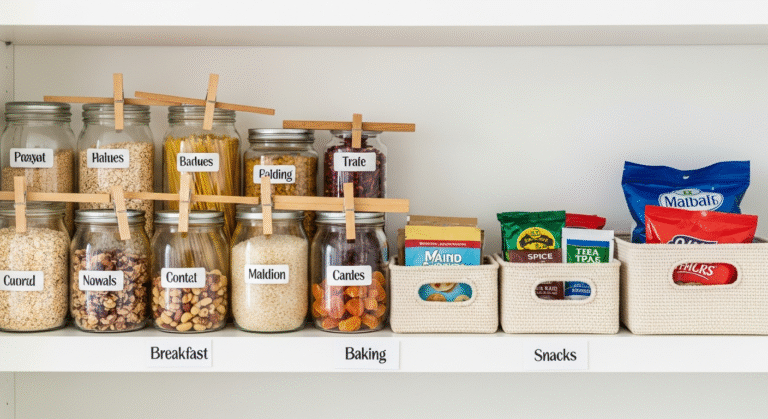
- Designated Homes: Ensure every item has a specific place. When things have a home, it’s much easier to put them away.
- Seasonal Purges: Twice a year, dedicate a weekend to a deeper decluttering of closets, drawers, and storage areas.
A consistently tidy home feels lighter, more breathable, and inherently more welcoming.
Establishing Home-Care Routines That Stick
Just like building healthy personal habits, establishing consistent home-care routines is vital for maintaining a welcoming atmosphere. These routines don’t have to be rigid or burdensome, but rather gentle rhythms that keep your home feeling fresh and cared for.
- Morning Rituals: Make your bed, open curtains to let in natural light, and perhaps light a candle or diffuse essential oils. These small acts start the day with a sense of order.
- Weekly Deep Clean: Dedicate a few hours each week to cleaning bathrooms, vacuuming/mopping floors, and dusting. This prevents dirt and grime from building up.
- Freshness Factor: Regularly wash linens, throw blankets, and cushion covers. Freshly laundered fabrics instantly elevate the comfort level of a room.
- Plant Care: Integrate watering and tending to your houseplants into your weekly routine. Healthy plants contribute significantly to a vibrant, welcoming space.
- Mindful Maintenance: Don’t let small repairs fester. A squeaky door, a flickering light, or a loose cabinet handle can subtly detract from a welcoming feel. Address these promptly.
These routines, much like “Build Healthy Habits That Stick” for personal wellness, ensure that your home consistently presents its best, most welcoming self.
Seasonal Adjustments & Appreciation
A truly welcoming home adapts to the seasons, reflecting the changes outside and offering appropriate comfort within. This doesn’t require a complete overhaul, but rather thoughtful adjustments:
- Winter Warmth: Bring out heavier throws, light candles more frequently, and perhaps swap lighter curtains for heavier drapes to enhance coziness.
- Spring Freshness: Introduce fresh flowers, lighter fabrics, and open windows more often to let in the breeze.
- Summer Brightness: Emphasize cool, crisp linens, minimize heavy layers, and ensure good air circulation.
- Autumn Richness: Incorporate earthy tones, natural elements like gourds or branches, and comforting scents like pumpkin or cinnamon.
Finally, and perhaps most importantly, practice mindfulness and appreciation for your home. Take moments to notice the beauty, comfort, and peace it provides. A home that is loved and appreciated by its inhabitants radiates that positive energy, making it inherently more welcoming to everyone who enters. Sustaining a sanctuary is about living intentionally within your space, ensuring it remains a true haven for years to come.
Frequently Asked Questions
Recommended Resources
Explore How To Get Over A Breakup And Move Forward for additional insights.
Check out Benefits Of Strength Training For Women on Veralyn Media for a deeper dive.