




























The Foundation of Vitality: Sleep’s Unsung Role
Often underestimated, sleep is arguably the single most powerful tool in your natural energy arsenal. It’s during these precious hours that your body undertakes critical restorative processes: repairing tissues, consolidating memories, balancing hormones, and clearing metabolic waste from your brain. Chronic sleep deprivation doesn’t just make you feel tired; it impairs cognitive function, weakens your immune system, and can even contribute to chronic health issues. Prioritizing quality sleep is not a luxury; it’s a non-negotiable cornerstone of sustained energy and overall well-being.
To truly harness the power of restorative sleep, consider these strategies:
- Establish a Consistent Sleep Schedule: Your body thrives on routine. Going to bed and waking up at roughly the same time each day, even on weekends, helps regulate your circadian rhythm, your body’s internal clock. This consistency signals to your body when to release sleep-inducing hormones like melatonin, making it easier to fall asleep and wake up feeling refreshed.
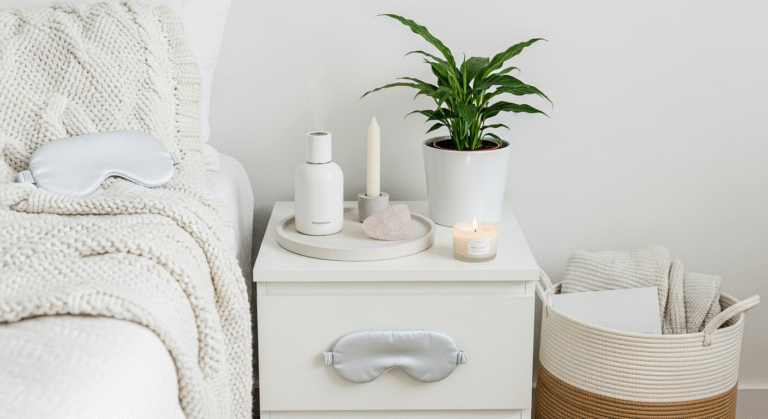
- Optimize Your Sleep Environment: Transform your bedroom into a sanctuary conducive to rest. This means making it dark, quiet, and cool.
- Darkness: Even small amounts of light can disrupt melatonin production. Invest in blackout curtains, use an eye mask, and remove all light-emitting devices.
- Quiet: Block out noise with earplugs, a white noise machine, or a fan.
- Coolness: The ideal sleep temperature is typically between 60-67°F (15-19°C). A slightly cooler room signals to your body that it’s time to rest.
- Comfort: Ensure your mattress and pillows provide adequate support. Consider breathable bedding made from natural fibers.
- Wind-Down Rituals: Give your mind and body time to transition from the day’s activities to sleep. About an hour before bed, ditch screens (phones, tablets, computers, TVs) as the blue light they emit can suppress melatonin. Instead, engage in calming activities like reading a physical book, taking a warm bath infused with Epsom salts or essential oils (lavender is particularly soothing), gentle stretching, or listening to calming music.
- Mindful Eating and Drinking Before Bed: Avoid heavy meals, excessive caffeine, and alcohol close to bedtime. While alcohol might initially make you feel drowsy, it disrupts sleep architecture later in the night, leading to fragmented rest. Caffeine, a stimulant, can linger in your system for many hours.
- Daytime Habits for Better Nighttime Sleep: Ensure you get adequate natural light exposure during the day, especially in the morning, to help set your circadian rhythm. Regular physical activity can also improve sleep quality, but try to avoid intense exercise too close to bedtime.
Creating a bedroom that promotes serenity and restorative sleep is a key element in designing an energized sanctuary. Thoughtful lighting, calming color palettes (perhaps a soft, subtle Statement Wall Ideas Living Room could translate into a serene accent wall in the bedroom?), and minimizing clutter all contribute to an environment that signals rest to your brain.
Fueling Your Inner Spark: Nutrition for Sustained Energy
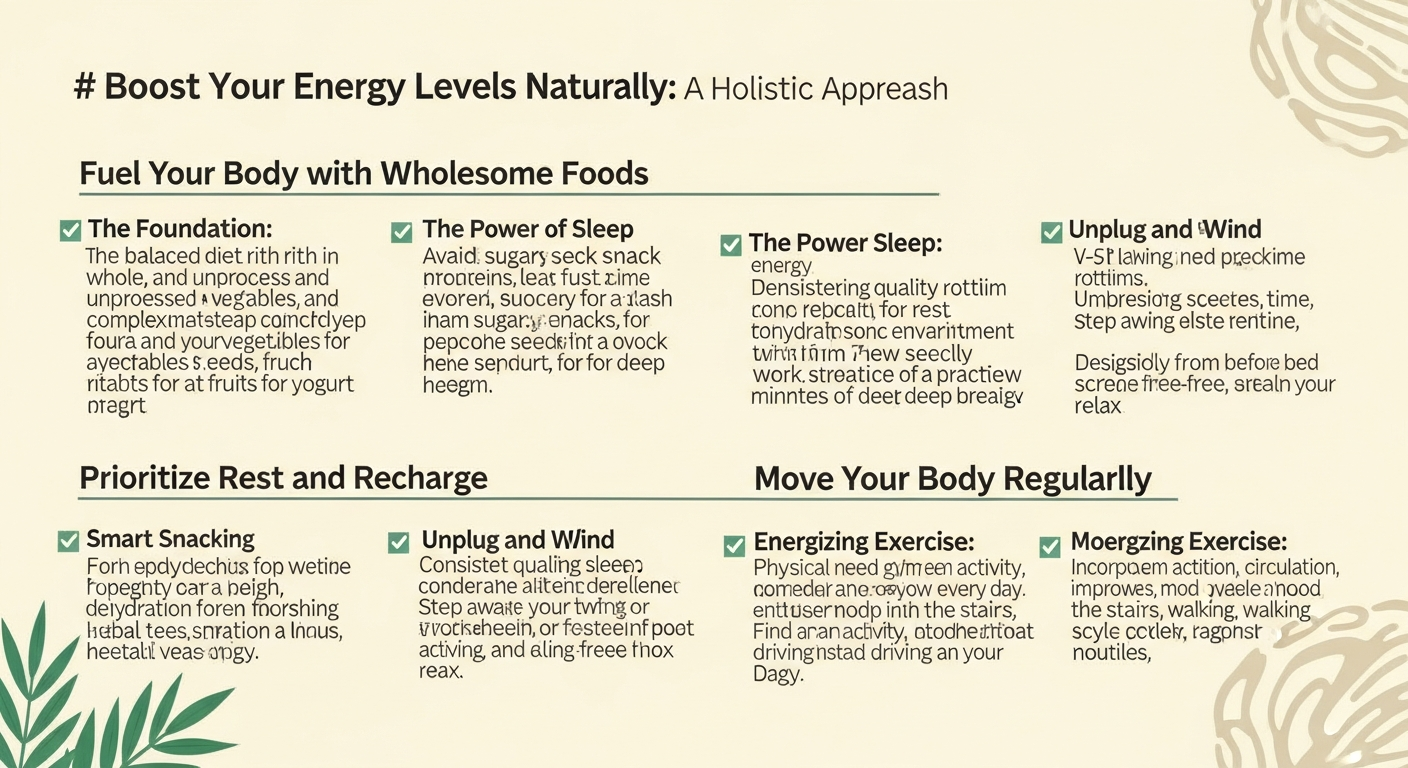
What you eat plays a profound role in your energy levels, influencing everything from your mood to your cognitive function. Just as a high-performance vehicle requires premium fuel, your body needs nutrient-dense foods to operate at its best. Processed foods, refined sugars, and unhealthy fats can lead to energy crashes, inflammation, and a sluggish feeling, whereas a diet rich in whole, unprocessed foods provides a steady stream of vitality.
To optimize your energy through nutrition, focus on these principles:
- Embrace Whole Foods: Prioritize fruits, vegetables, lean proteins, whole grains, and healthy fats. These foods are packed with vitamins, minerals, antioxidants, and fiber, all essential for sustained energy production.
- Balance Macronutrients: Each meal should ideally contain a balance of complex carbohydrates, lean protein, and healthy fats to provide steady energy and prevent blood sugar spikes and crashes.
- Complex Carbohydrates: Found in foods like oats, quinoa, brown rice, sweet potatoes, and whole-grain bread, these are your body’s preferred energy source. They release glucose slowly into your bloodstream, providing sustained energy.
- Lean Proteins: Chicken, fish, eggs, beans, lentils, tofu, and Greek yogurt help stabilize blood sugar, build and repair tissues, and provide amino acids essential for neurotransmitter production.
- Healthy Fats: Avocados, nuts, seeds, olive oil, and fatty fish (like salmon) are crucial for hormone production, nutrient absorption, and provide a concentrated source of energy.
- Stay Hydrated: Dehydration is a common, yet often overlooked, cause of fatigue. Even mild dehydration can lead to reduced energy, impaired concentration, and headaches. Aim to drink plenty of water throughout the day. Keep a reusable water bottle handy as a constant reminder. Herbal teas and water-rich fruits and vegetables also contribute to your fluid intake.
- Iron-Rich Foods: Iron is vital for transporting oxygen in your blood. A deficiency can lead to anemia and severe fatigue. Include iron-rich foods like lean red meat, spinach, lentils, fortified cereals, and dark chocolate in your diet. Pair them with Vitamin C sources (like oranges or bell peppers) to enhance iron absorption.
- B Vitamins for Energy Metabolism: The B-vitamin complex plays a crucial role in converting food into energy. Ensure your diet includes foods rich in B vitamins such as whole grains, leafy greens, eggs, legumes, and lean meats.
- Mindful Eating: Pay attention to your body’s hunger and fullness cues. Eating too much can leave you feeling sluggish, while eating too little can deplete your energy. Eating slowly and savoring your meals also aids digestion and nutrient absorption.
- Limit Processed Foods, Sugar, and Excessive Caffeine: While a morning coffee can offer a temporary jolt, relying on sugar and caffeine for energy creates a vicious cycle of highs and lows. These can lead to adrenal fatigue and disrupt sleep patterns. Gradually reduce your intake of highly processed foods and sugary drinks, opting for natural alternatives.
Making conscious choices about what you consume is a powerful way to Build Healthy Habits That Stick, transforming your energy levels from the inside out and supporting a vibrant, active lifestyle.
Move to Energize: The Power of Physical Activity
Incorporate a variety of physical activities into your routine:
- Cardiovascular Exercise: Activities like brisk walking, jogging, cycling, swimming, or dancing elevate your heart rate and improve your endurance. Aim for at least 150 minutes of moderate-intensity cardio or 75 minutes of vigorous-intensity cardio per week. Regular cardio strengthens your heart and lungs, making everyday tasks feel less taxing.
- Strength Training: Building muscle mass not only boosts your metabolism but also improves your overall strength and functional capacity. This means less effort is required for daily activities, leaving you with more reserve energy. Incorporate bodyweight exercises, resistance bands, or weights 2-3 times a week.
- Flexibility and Balance: Yoga, Pilates, and stretching improve your range of motion, reduce muscle stiffness, and can alleviate tension that saps energy. They also promote mindfulness, connecting your mind and body.
- Incorporate Movement into Your Day: You don’t need a dedicated gym session every day to reap the benefits of movement. Look for opportunities to be more active:
- Take the stairs instead of the elevator.
- Walk or bike for short errands.
- Take short stretching breaks every hour if you have a desk job.
- Stand up and move around while on phone calls.
- Engage in active hobbies like gardening or hiking.
- Listen to Your Body: While consistency is key, it’s also important to avoid overtraining, which can lead to fatigue and injury. Incorporate rest days into your routine, and on days you feel genuinely low on energy, opt for gentle activities like a leisurely walk or restorative yoga.
- Make it Enjoyable: The best exercise routine is one you stick with. Experiment with different activities until you find something you genuinely enjoy. Whether it’s dancing to your favorite music in your living room or exploring local nature trails, finding joy in movement makes it easier to Build Healthy Habits That Stick.
Even small bursts of activity throughout the day can significantly impact your energy levels. Consider how your home environment can support this—a clear space for a quick yoga flow, or a vibrant, inspiring living room that encourages movement and activity.
Cultivating Calm: Stress Management for Energy Preservation

In our fast-paced world, stress has become an unwelcome constant, a silent energy thief. Chronic stress keeps your body in a perpetual state of “fight or flight,” constantly releasing cortisol and adrenaline. While useful in short bursts for survival, sustained exposure to these hormones depletes your energy reserves, impairs sleep, weakens immunity, and can lead to burnout. Learning to effectively manage stress is not just about feeling better mentally; it’s a critical strategy for preserving and boosting your physical energy.
Integrate these stress-busting practices into your daily life:
- Mindfulness and Meditation: Even a few minutes of daily meditation can rewire your brain, reducing reactivity to stress and improving focus. Mindfulness involves bringing your attention to the present moment without judgment. Try guided meditations, simple breathing exercises, or simply taking a few conscious breaths when you feel overwhelmed.
- Deep Breathing Exercises: When stressed, our breathing often becomes shallow and rapid. Practicing deep, diaphragmatic breathing activates your parasympathetic nervous system, signaling to your body that it’s safe to relax. Inhale slowly through your nose, letting your belly expand, then exhale slowly through your mouth.
- Connect with Nature: Spending time outdoors, often referred to as “forest bathing” or “nature therapy,” has profound stress-reducing effects. The sights, sounds, and smells of nature can lower cortisol levels, reduce blood pressure, and improve mood. Take a walk in a park, sit by a window with a view of greenery, or tend to a small garden.
- Creative Expression and Hobbies: Engaging in activities you enjoy purely for pleasure can be incredibly therapeutic. Whether it’s painting, writing, playing music, knitting, or cooking, these creative outlets allow your mind to disengage from stressors and enter a state of flow, which is deeply restorative. A beautifully designed living room, perhaps featuring a personalized Statement Wall Ideas Living Room, can become your designated creative corner or a serene space for relaxation.
- Prioritize and Delegate: Overwhelm often stems from feeling like you have too much to do. Learn to prioritize tasks, say “no” to commitments that don’t align with your values, and delegate responsibilities when possible. This helps manage your mental load and prevents energy drain.
- Social Connection: Nurturing meaningful relationships provides emotional support and a sense of belonging, both powerful antidotes to stress. Spend time with loved ones, connect with friends, and reach out for support when needed.
- Set Boundaries: Protect your time and energy by setting clear boundaries, especially regarding work and technology. Disconnecting at the end of the day and reserving personal time is essential for mental and emotional replenishment.
By actively managing stress, you’re not just improving your mental well-being; you’re safeguarding your precious energy reserves, allowing you to approach life with greater resilience and vitality. This commitment to self-care is a powerful way to Build Healthy Habits That Stick.
Designing Your Energized Sanctuary: Home Environment as a Catalyst
Your home is more than just a place to live; it’s a reflection of your inner world and a powerful influence on your daily energy levels. A cluttered, chaotic, or uninspiring environment can subtly drain your vitality, contributing to feelings of overwhelm and fatigue. Conversely, a thoughtfully designed, harmonious space can uplift your mood, promote relaxation, and act as a constant source of inspiration and rejuvenation. At Rock Salt Plum, we understand that your surroundings play a crucial role in your overall well-being.
Consider how to transform your home into an energy-boosting sanctuary:
- Declutter and Organize: Visual clutter creates mental clutter. Take the time to regularly declutter your living spaces. Donate, discard, or organize items that no longer serve a purpose. Create designated homes for everything. An organized environment reduces decision fatigue and creates a sense of calm and order, freeing up mental energy.
- Embrace Natural Light: Maximize natural light in your home. Open curtains and blinds during the day. Natural light regulates your circadian rhythm, boosts mood, and can even improve productivity. Strategically placed mirrors can also amplify natural light in darker rooms.
- Bring in Greenery: Houseplants don’t just add beauty; they purify the air, reduce stress, and connect you with nature. Choose plants that thrive in your home’s conditions and arrange them in appealing ways. Even a few plants can make a significant difference in the atmosphere of a room.
- Color Psychology: Colors have a profound impact on our mood and energy.
- Energizing Colors: Yellows, oranges, and certain greens can evoke feelings of happiness, creativity, and vitality.
- Calming Colors: Blues, greens, and soft neutrals promote relaxation and serenity.
- Consider a vibrant, uplifting accent wall using Statement Wall Ideas Living Room to infuse energy into your main living space. This could be a bold geometric pattern, a nature-inspired mural, or a rich, inviting hue that sparks joy.
- Create Designated Zones: Designate specific areas in your home for different activities. A cozy reading nook for relaxation, a well-lit desk for focused work, and an open area for movement or creative hobbies. This compartmentalization helps your mind transition between tasks and reduces feelings of being constantly “on.”
- Incorporate Comfort and Texture: Soft throws, plush pillows, comfortable seating, and natural materials like wood and wool create a sense of warmth and coziness, encouraging relaxation and comfort. These elements contribute to a nurturing environment that supports your energy.
- Personalize Your Space: Surround yourself with items that hold meaning and bring you joy – artwork, photographs, cherished mementos. These personal touches make your home feel authentic and contribute to a positive emotional state. Remember, you don’t need to spend a fortune; there are many creative Home Decor Ideas Budget 2026 that can elevate your space without breaking the bank. Think DIY projects, thrifting, or repurposing existing items.
By consciously curating your home environment, you create a supportive backdrop for your energy, making it easier to relax, focus, and thrive. This deliberate approach to your surroundings is a vital part of holistic well-being.
Mindset Matters: Mental Clarity for Sustained Drive
Your mental landscape is just as crucial as your physical health when it comes to energy levels. A cluttered, negative, or overwhelmed mind can be a significant drain, leading to indecision, procrastination, and a general sense of fatigue. Cultivating a positive mindset and mental clarity allows you to direct your energy more effectively, fostering resilience and sustained drive.
To empower your mind and boost your energy, consider these practices:
- Practice Gratitude: Regularly acknowledging the positive aspects of your life, no matter how small, shifts your perspective from lack to abundance. This simple practice can significantly improve mood, reduce stress, and generate a more positive energetic outlook. Keep a gratitude journal or simply take a moment each day to reflect on what you’re thankful for.
- Set Clear Intentions and Goals: When you have a clear sense of purpose and direction, your energy is more focused and less scattered. Break down larger goals into smaller, manageable steps to avoid feeling overwhelmed. This sense of accomplishment fuels motivation and sustained effort.
- Limit Energy Vampires: Identify people, situations, or activities that consistently drain your energy and set boundaries. This might mean saying “no” more often, reducing time with negative influences, or delegating tasks that don’t align with your priorities. Protecting your energetic space is paramount.
- Practice Positive Self-Talk: Be mindful of your inner dialogue. Challenge negative thoughts and replace them with compassionate, empowering ones. Your thoughts create your reality, and a positive mindset can significantly enhance your resilience and energetic output.
- Disconnect and Unplug: The constant barrage of information from digital devices can lead to mental fatigue. Schedule regular tech breaks, especially before bed and first thing in the morning. Allow your mind to rest and wander without constant stimulation.
- Learn to Delegate and Ask for Help: Trying to do everything yourself is a recipe for burnout. Recognize your limitations and be willing to delegate tasks at work or ask for help from family and friends. This isn’t a sign of weakness; it’s a smart strategy for energy management.
- Embrace Learning and Growth: Engaging your mind with new challenges, learning new skills, or exploring new ideas can be incredibly energizing. It fosters a sense of purpose and keeps your brain active and engaged, preventing stagnation.
By proactively nurturing a positive and clear mindset, you build a powerful internal reservoir of energy, enabling you to navigate life’s challenges with greater ease and enthusiasm. This mental discipline is a fundamental aspect of how to Build Healthy Habits That Stick for long-term vitality.
Frequently Asked Questions
Recommended Resources
Check out Celebrity Travel Packing Essentials on Celebrity Exchange for a deeper dive.
Learn more about this topic in Best Drugstore Skincare Products 2026 at Fashion Goggled.