



















The Ancient Art and Modern Science of Aromatherapy
Aromatherapy, in its essence, is the therapeutic use of aromatic plant compounds and essential oils for psychological and physical well-being. Its roots stretch back thousands of years, with ancient civilizations like the Egyptians, Chinese, and Romans utilizing aromatic plants for medicinal, spiritual, and cosmetic purposes. Frankincense and myrrh, for instance, were prized in ancient Egypt for embalming, religious ceremonies, and perfumes, while traditional Chinese medicine has long incorporated herbal remedies and aromatic practices.
The modern resurgence of aromatherapy began in the early 20th century, notably with French chemist René-Maurice Gattefossé, who coined the term “aromathérapie” after experiencing the remarkable healing properties of lavender oil on a burn. Since then, scientific research has increasingly validated what ancient cultures intuitively understood: that the complex chemical constituents within essential oils can interact with our bodies in profound ways.
But how does it work? There are primarily two pathways through which essential oils exert their effects: inhalation and topical application.
- Inhalation: When we inhale the scent of an essential oil, the tiny aromatic molecules travel through our olfactory system directly to the brain. Specifically, they reach the limbic system, often referred to as the “emotional brain.” This system is responsible for controlling emotions, memory, motivation, and even aspects of hormone regulation. This direct pathway explains why certain scents can instantly evoke memories, alter mood, or trigger physiological responses like relaxation or alertness. The molecules also enter the bloodstream via the lungs, distributing their therapeutic compounds throughout the body.
- Topical Application: When essential oils are applied to the skin, they are absorbed into the bloodstream. Because essential oils are highly concentrated, they are almost always diluted with a carrier oil (such as jojoba, almond, or coconut oil) to prevent skin irritation and ensure safe absorption. Once absorbed, their active chemical components can provide localized benefits, such as soothing sore muscles or addressing skin concerns, and systemic benefits as they circulate throughout the body.
Understanding these mechanisms helps us appreciate aromatherapy not as a mystical art, but as a scientifically grounded practice that leverages nature’s pharmacy to support our health.
Unveiling the Myriad Benefits of Aromatherapy
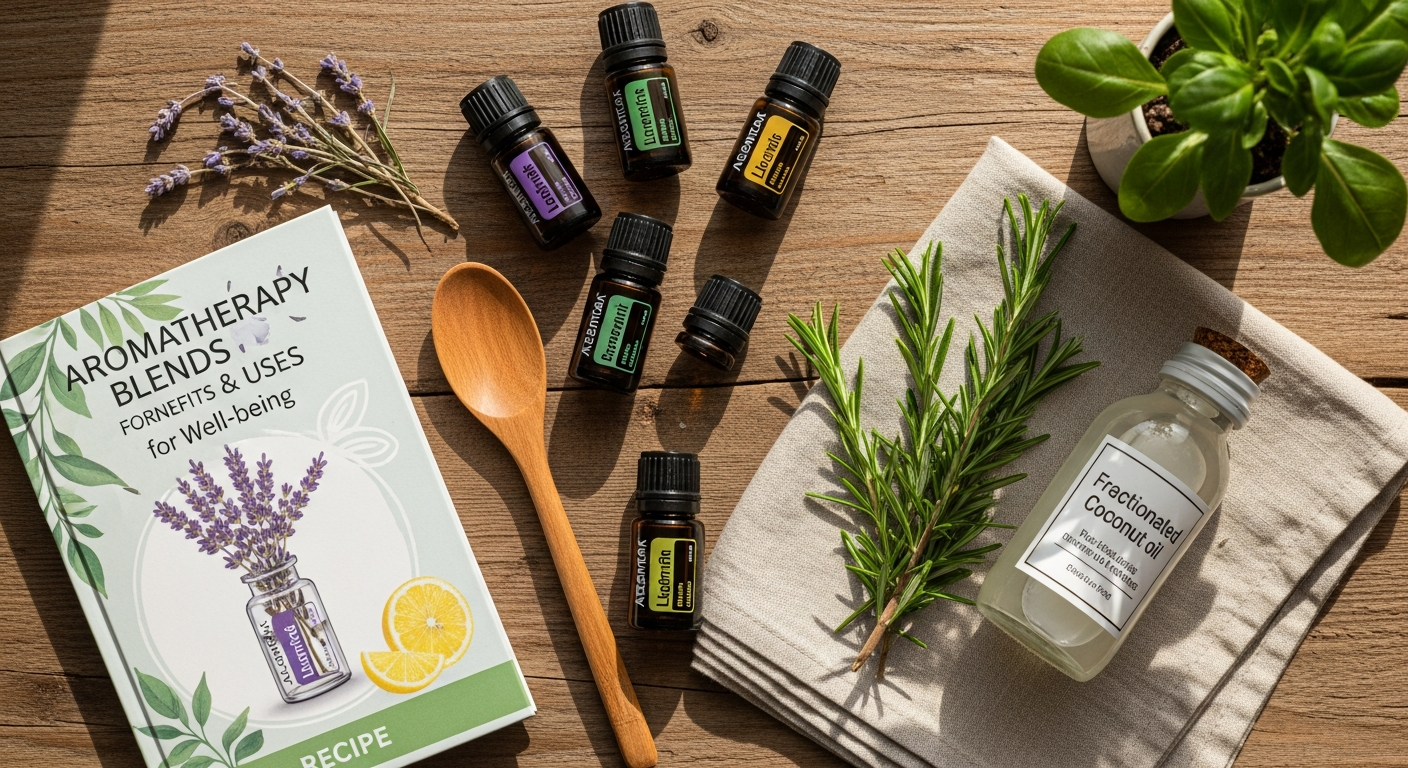
The therapeutic potential of essential oils is vast and varied, addressing a wide spectrum of physical and emotional needs. Integrating aromatherapy into your lifestyle can unlock a wealth of advantages, enhancing your overall quality of life.
Stress Reduction and Anxiety Relief
In our fast-paced world, stress and anxiety have become unwelcome companions for many. Aromatherapy offers a gentle yet powerful antidote. Certain essential oils possess anxiolytic (anxiety-reducing) and calming properties that can help quiet the mind and soothe frazzled nerves. Lavender is perhaps the most famous, renowned for its ability to promote relaxation and reduce anxious feelings. Bergamot, a citrus oil, is uplifting yet calming, helping to stabilize mood. Frankincense, with its grounding aroma, encourages deep breathing and a sense of peace, making it invaluable during meditation or moments of high stress. Diffusing these oils in your living room or bedroom can transform the atmosphere into a sanctuary of calm.
Mood Enhancement and Emotional Balance
Beyond reducing stress, aromatherapy can actively elevate mood and foster emotional equilibrium. Citrus oils like lemon, wild orange, and grapefruit are incredibly uplifting and energizing, perfect for dispelling gloom and promoting feelings of joy and optimism. Ylang-ylang, with its exotic floral scent, is known for its ability to reduce feelings of anger and frustration, promoting a sense of peace and self-love. Geranium is another fantastic oil for balancing emotions, particularly useful for navigating hormonal fluctuations or periods of emotional intensity. A morning diffusion of citrus oils can be a wonderful way to kickstart your day with positivity.
Improved Sleep Quality
Restorative sleep is fundamental to our health, yet many struggle to achieve it. Aromatherapy can be a potent ally in establishing a healthy sleep routine. The calming effects of oils like lavender, Roman chamomile, and sandalwood can signal to your body and mind that it’s time to unwind. Diffusing these oils an hour before bed, applying a diluted blend to your pulse points, or adding a few drops to a warm bath can significantly improve the ease of falling asleep and the quality of your rest. This is a vital component of the “Build Healthy Habits That Stick” philosophy, as consistent sleep is foundational to all other healthy practices.
Pain Management and Anti-inflammatory Properties
For those seeking natural approaches to managing discomfort, essential oils offer promising avenues. Many oils possess analgesic (pain-relieving) and anti-inflammatory properties. Peppermint oil, when diluted and applied topically, can relieve tension headaches and soothe sore muscles, offering a cooling sensation. Eucalyptus and rosemary are often used in blends for muscle aches and joint pain, while ginger essential oil can help with digestive discomfort and muscle soreness. Always dilute these oils properly and perform a patch test before widespread application.
Boosted Immunity and Respiratory Support
Certain essential oils are rich in compounds that support the immune system and provide respiratory relief. Tea tree oil is well-known for its powerful antimicrobial properties, making it excellent for cleaning and purifying the air. Lemon oil is also a potent cleanser and can invigorate the immune system. For respiratory support, oils like eucalyptus, ravintsara, and frankincense can help clear airways and ease breathing, especially during seasonal challenges. Diffusing these oils, particularly during colder months, can help maintain a healthier home environment.
Enhanced Cognitive Function and Focus
When productivity and mental clarity are paramount, aromatherapy can provide a natural boost. Rosemary essential oil is celebrated for its ability to enhance memory and concentration, making it ideal for study or work spaces. Lemon and peppermint oils are also invigorating and can help sharpen focus and reduce mental fatigue. Incorporating these oils into your morning routine or diffusing them while working can significantly improve cognitive performance and help you stay on task.
Skin and Hair Health
The benefits of essential oils extend to external beauty as well. Many oils possess properties that are beneficial for skin and hair. Tea tree oil is excellent for blemish-prone skin due to its purifying properties. Lavender is soothing and restorative for irritated skin. Frankincense is highly valued for its rejuvenating effects on mature skin, helping to reduce the appearance of fine lines and promote a healthy glow. For hair, oils like rosemary can stimulate the scalp and promote healthy hair growth, while lavender can add shine and manageability. Always dilute essential oils extensively before applying to skin or hair, and perform a patch test.
Natural Home Fragrance and Air Purification
Beyond personal well-being, aromatherapy is a superior way to naturally scent your home and even purify the air. Ditch artificial chemical air fresheners that often contain harmful compounds, and instead opt for the pure, therapeutic aromas of essential oils. Oils like lemon, pine, tea tree, and eucalyptus not only smell fresh but also possess antimicrobial properties that can cleanse the air of unwanted pathogens. This provides a clean, inviting atmosphere that is both aesthetically pleasing and beneficial for your family’s health.
Practical Applications: Integrating Aromatherapy into Your Daily Life
Diffusers and Nebulizers
These devices are perhaps the most popular way to enjoy aromatherapy. They disperse a fine mist of essential oil molecules into the air, scenting your space and allowing for easy inhalation. There are several types:
- Ultrasonic Diffusers: These use water and ultrasonic vibrations to create a cool mist, preserving the therapeutic properties of the oils. They also add a touch of humidity to the air, which can be beneficial in dry climates. They are quiet, efficient, and come in a vast array of designs, making them an excellent choice for a living room, bedroom, or office. Consider choosing a diffuser with an elegant design or a calming light feature to complement your chosen aesthetic, perhaps even enhancing a Statement Wall Ideas Living Room with subtle elegance and a signature scent.
- Nebulizing Diffusers: These use air pressure to atomize the oil, creating a highly concentrated mist without water. They are excellent for therapeutic benefits in larger spaces but can use oils more quickly.
- Heat Diffusers: These use gentle heat to evaporate the essential oil. While generally more affordable, heat can alter the chemical composition of some oils, potentially reducing their therapeutic efficacy.
- Passive Diffusers: Simple and elegant, these include terracotta diffusers, aroma stones, or cotton pads where you drop oils and let them evaporate naturally. They are perfect for smaller spaces, desktops, or even inside drawers.
Placement is key: for optimal benefit, place your diffuser in a central location in the room, away from open windows that might disperse the aroma too quickly.
Topical Application
Applying essential oils directly to the skin allows for absorption into the bloodstream and localized effects. However, dilution is paramount. Essential oils are highly concentrated and can cause skin irritation if applied neat (undiluted). Always mix them with a carrier oil such as fractionated coconut oil, jojoba oil, sweet almond oil, or grapeseed oil.
- Massage: Create a personalized massage oil by blending 5-10 drops of essential oil per ounce of carrier oil. This is wonderful for soothing sore muscles, promoting relaxation, or even for a rejuvenating facial massage.
- Rollerballs: Pre-diluted rollerball blends are convenient for on-the-go application. Apply to pulse points (wrists, temples, neck), the bottom of your feet, or over areas of discomfort. These are excellent for quick stress relief or a burst of energy.
- Baths: Add 5-10 drops of essential oil to a dispersant like Epsom salts, milk, or a carrier oil, then add to warm bathwater. This creates a luxurious and therapeutic soak, allowing both inhalation and topical absorption. Lavender and Roman Chamomile are perfect for a calming evening bath.
- Compresses: Add a few drops of essential oil to a bowl of warm or cold water, soak a cloth, wring it out, and apply to the affected area for pain relief or to reduce swelling.
Direct Inhalation and Steam Inhalation
For quick emotional shifts or respiratory support, direct inhalation is effective.
- Direct Inhalation: Simply open a bottle of essential oil and take a few deep breaths. Alternatively, place a drop or two on a cotton ball or tissue and inhale as needed.
- Steam Inhalation: Add 1-2 drops of essential oil to a bowl of hot (but not boiling) water. Drape a towel over your head and the bowl, and inhale the steam for 5-10 minutes. This is particularly effective for clearing congested airways (use oils like Eucalyptus or Tea Tree). Be cautious with hot water and avoid this method for young children.
DIY Recipes for a Scented Home
Embrace your inner alchemist and create your own aromatherapy products!
- Room Sprays: Mix 15-20 drops of your favorite essential oils with 2 oz of distilled water and a splash of witch hazel or vodka in a spray bottle. Shake well before each use. This is a fantastic way to refresh linens, curtains, or an entire room.
- Cleaning Solutions: Harness the natural antibacterial and antiviral properties of oils like lemon, tea tree, and on guard blends. Add them to your homemade all-purpose cleaners, floor cleaners, or dish soap for a powerful, natural boost.
- Scented Sachets: Add a few drops of essential oil to dried herbs, cotton balls, or wooden beads and place them in small fabric bags to tuck into drawers, closets, or even your car for a subtle, long-lasting aroma.
Elevating Your Home: Aromatherapy as a Design Element
Your home is more than just walls and furniture; it’s an experience, a reflection of your inner world. Just as color, texture, and light contribute to its ambiance, so too does scent. Aromatherapy offers a sophisticated and deeply personal way to integrate sensory design into your living spaces, transforming them into havens of comfort, productivity, or tranquility. This isn’t merely about making your home smell good; it’s about crafting an intentional olfactory landscape that supports your desired lifestyle.
Consider the power of scent to influence perception. A vibrant citrus aroma can make a space feel more open and energized, while a rich, woody scent can evoke warmth and intimacy. When planning your Home Decor Ideas Budget 2026, don’t overlook the incredible impact of aroma. Essential oils, and the diffusers that disperse them, are remarkably cost-effective ways to make a significant statement without breaking the bank. A well-chosen essential oil blend can be just as impactful as a new piece of art or a fresh coat of paint, often for a fraction of the cost, providing an immediate and profound sensory transformation.
Creating Ambiance for Different Rooms:
- The Living Room: As the heart of social interaction and relaxation, the living room benefits from versatile aromas. For entertaining, uplifting and inviting blends like wild orange and frankincense, or bergamot and clary sage, can create a welcoming atmosphere. For quiet evenings, grounding scents such as sandalwood, cedarwood, or lavender promote calm. If you have a bold Statement Wall Ideas Living Room, complement its visual impact with an equally confident yet harmonious scent profile. Perhaps a sophisticated blend of vetiver and grapefruit to match a deep jewel tone, or a crisp peppermint and lemon to enhance a minimalist design. The diffuser itself can be a stylish accessory, chosen to blend seamlessly or stand out as an artistic piece.
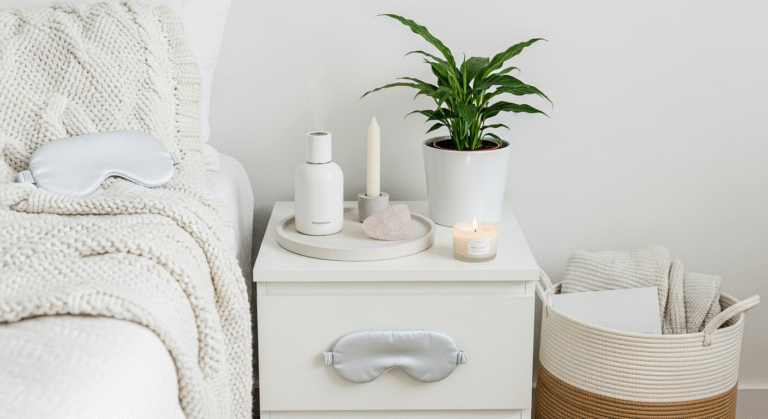
- The Bedroom: This is your sanctuary for rest and rejuvenation. Focus on deeply relaxing and sleep-promoting oils. Lavender, Roman chamomile, cedarwood, and vetiver are excellent choices. Diffuse them for an hour before bed to signal to your body that it’s time to unwind. A linen spray with a touch of lavender can further enhance the calming ritual.
- The Kitchen/Dining Area: Keep these spaces fresh and clean. Citrus oils like lemon, grapefruit, and lime are perfect for neutralizing cooking odors and promoting a sense of cleanliness and energy. Rosemary or peppermint can also be invigorating without being overpowering.
- The Home Office/Workspace: For focus and productivity, choose stimulating and clarifying oils. Rosemary, lemon, peppermint, and eucalyptus can help improve concentration, memory, and reduce mental fatigue. A small personal diffuser on your desk can be a game-changer for maintaining sustained attention throughout your workday.
- The Bathroom: Create a spa-like experience or simply maintain freshness. Purifying oils like tea tree, lemon, and pine are excellent for keeping the air clean. For a luxurious feel, try diffusing eucalyptus or peppermint during a shower or bath.
By thoughtfully selecting and placing your diffusers and essential oil blends, you are not just adding a scent; you are curating an experience, enhancing the aesthetic, and deepening the functionality of every room in your home. This intentional use of aroma truly elevates your space, making it uniquely yours and profoundly supportive of your well-being.
Building Lasting Well-being: Aromatherapy for Healthy Habits
At Rock Salt Plum, we are fervent advocates for the concept of “Build Healthy Habits That Stick.” We understand that lasting change comes from consistent, intentional actions integrated seamlessly into daily life. Aromatherapy, with its subtle yet powerful influence on our minds and bodies, is an exceptional tool for anchoring new routines and reinforcing positive behaviors.
The human brain has a powerful connection between scent and memory, and emotions. By associating specific aromas with desired actions or states of mind, you can create potent olfactory cues that trigger your healthy habits. This is a form of classical conditioning, where the scent becomes a subconscious signal for a particular behavior, making it easier to initiate and maintain that habit.
Here’s how aromatherapy can support your habit-building journey:
- Morning Rituals: Start your day with intention and energy. Diffuse invigorating oils like lemon, wild orange, or peppermint as you wake up, meditate, or prepare your healthy breakfast. This scent can become your personal alarm clock, signaling to your body that it’s time to be alert and productive. Over time, the mere scent of these oils can help you feel more energized, even before your coffee.
- Mindfulness and Meditation: Deepen your practice by associating it with a grounding aroma. Oils like frankincense, sandalwood, vetiver, or cedarwood are excellent for promoting focus, inner peace, and spiritual connection. Diffuse them during your meditation session or apply a diluted drop to your pulse points. This consistent sensory input will help your mind transition more easily into a meditative state.
- Exercise Motivation: Sometimes, finding the drive to move our bodies can be a challenge. Before a workout, inhale stimulating oils like peppermint or eucalyptus directly from the bottle or from a personal inhaler. These scents can help clear your airways, boost energy, and enhance focus, making your exercise routine feel more accessible and enjoyable.
- Evening Wind-Down Routines: Crucial for quality sleep, a consistent evening routine signals to your body that it’s time to relax. Make lavender, Roman chamomile, or bergamot an integral part of this ritual. Diffuse them in your bedroom an hour before bed, add them to a warm bath, or apply a diluted blend to your feet. This consistent scent cue will help your mind quiet down and prepare for restorative sleep, solidifying a habit that is foundational to overall well-being.
- Stress Management Breaks: When stress threatens to derail your day, use aromatherapy as a micro-break. Keep a rollerball blend of calming oils like frankincense and bergamot handy. A quick application to your wrists and a few deep breaths can quickly shift your state, helping you to pause, reset, and return to your tasks with renewed composure. This becomes a powerful habit for emotional regulation.
- Focus and Productivity: Combat procrastination and enhance concentration by associating a specific scent with deep work. Rosemary or lemon diffused in your workspace can become the olfactory signal that it’s time to focus. Consistently using this scent during periods of intense work will train your brain to enter a state of concentration more readily.
The beauty of using aromatherapy for habit building lies in its subtlety and effectiveness. It works with your body’s natural responses, creating powerful anchors that make healthy choices feel less like a chore and more like an inherent part of your daily rhythm. By consciously integrating these aromatic cues, you’re not just adopting a new practice; you’re sculpting a lifestyle where healthy habits naturally stick, paving the way for a more balanced, joyful, and productive life in 2026 and beyond.
Navigating the World of Essential Oils: Quality, Safety, and Sourcing
The world of essential oils is vibrant and diverse, but it also requires mindful navigation. To truly reap the “aromatherapy benefits and uses,” it is crucial to prioritize quality, understand safety protocols, and be discerning about sourcing.
The Importance of Quality
Not all essential oils are created equal. The market is flooded with products labeled “pure” or “natural” that may be adulterated with synthetic chemicals, diluted with cheaper carrier oils, or improperly extracted. These inferior oils not only lack therapeutic benefits but can also pose health risks.
- Therapeutic Grade: Look for essential oils that are labeled as 100% pure, unadulterated, and therapeutic grade. This generally means the oil contains only the aromatic compounds from the specified plant, without any additives, fillers, or synthetic chemicals.
- Sourcing and Extraction: Reputable companies will provide transparency about their sourcing practices, including where the plants are grown, how they are harvested, and the extraction methods used (e.g., steam distillation or cold-pressing for citrus oils). Sustainable and ethical sourcing practices are also important considerations.
- Testing: The gold standard for essential oil quality is third-party testing, specifically Gas Chromatography-Mass Spectrometry (GC-MS) testing. This analysis identifies the chemical constituents of an oil, verifying its purity and potency. Look for companies that provide these reports (often called Certificate of Analysis or CoA) for each batch of oil.
- Packaging: Essential oils should always be stored in dark glass bottles (amber or cobalt blue) to protect them from UV light degradation, which can diminish their therapeutic properties. They should also have an orifice reducer to control dispensing.
Essential Safety Guidelines
While natural, essential oils are potent and require respect. Always adhere to these safety principles:
- Dilution is Key: Never apply undiluted (“neat”) essential oils directly to the skin, with very few exceptions (e.g., a drop of lavender on a bee sting for adults, with caution). Always dilute with a carrier oil. A common dilution ratio for adults is 1-2% (6-12 drops per ounce of carrier oil). For sensitive skin, children, or the elderly, use a lower dilution (0.5-1%).
- Patch Test: Before applying a new oil to a larger area of skin, perform a patch test. Apply a small amount of diluted oil to a discreet area (like the inner forearm) and wait 24 hours to check for any redness, irritation, or allergic reaction.
- Avoid Sensitive Areas: Keep essential oils away from eyes, inner ears, and mucous membranes. If accidental contact occurs, flush with a carrier oil (not water, as oil and water don’t mix) and seek medical attention if irritation persists.
- Internal Use: Generally, internal use of essential oils is not recommended without the guidance of a qualified and experienced aromatherapist or healthcare professional. Many oils are not safe for ingestion, and even those considered safe must be used with extreme caution and in very small, diluted amounts. Stick to aromatic diffusion and topical application for most home use.
- Pregnancy and Children: Use essential oils with extreme caution during pregnancy, breastfeeding, and with infants and young children. Many oils are contraindicated. Always consult with a healthcare provider or a certified aromatherapist before using oils in these situations. Use much lower dilution rates for children and ensure proper ventilation.
- Pets: Pets, especially cats, are highly sensitive to essential oils. Diffuse in well-ventilated areas and ensure pets can leave the room if they wish. Avoid topical application on pets unless specifically advised by a veterinarian experienced in aromatherapy.
- Medical Conditions and Medications: If you have pre-existing medical conditions (e.g., epilepsy, high blood pressure, asthma) or are taking medications, consult your doctor before using essential oils, as some oils can interact with certain conditions or drugs.
- Phototoxicity: Some citrus oils (e.g., bergamot, lemon, lime, grapefruit, bitter orange) are phototoxic. This means they can cause severe sunburn or skin discoloration if applied to the skin and then exposed to direct sunlight or UV light within 12-18 hours. Opt for “furanocoumarin-free” (FCF) versions of these oils if you plan to be in the sun, or apply them only to areas not exposed to light.
- Storage: Store essential oils in their original dark glass bottles, tightly capped, in a cool, dark place, away from direct sunlight and heat. Proper storage helps maintain their potency and extends their shelf life, which typically ranges from 1 to 5 years depending on the oil.
By adhering to these guidelines, you can safely and effectively integrate the transformative power of essential oils into your life, ensuring that your aromatherapy journey is both beneficial and enjoyable. Always listen to your body and discontinue use if any adverse reactions occur.
Frequently Asked Questions
Recommended Resources
You might also enjoy How To Layer Skincare Products Correctly from Fashion Goggled.
Explore How To Style Statement Earrings for additional insights.