


























1. Cultivating Your Indoor Sanctuary: Wellness & Comfort from Within
There’s a unique magic in transforming your indoor spaces into true reflections of peace, productivity, and pleasure. As we anticipate more time spent within our walls in 2026, investing in your indoor sanctuary isn’t just a luxury; it’s a profound act of self-care and family well-being. This update is all about intentional design that supports your mental, physical, and emotional health, making every moment at home feel like a gentle embrace.
Designing for Serenity and Functionality
Think about the flow of your home. Are there areas that feel neglected, or others that are constantly cluttered? Now is the perfect time to address these. Begin with a thorough decluttering, not just for aesthetics but for mental clarity. A tidy space contributes directly to a tranquil mind. Once the excess is gone, consider how each room serves its purpose, or how it could serve a purpose better. For instance, that forgotten corner in the living room could become a dedicated reading nook with a plush armchair, a soft throw, and a small side table for your herbal tea. This aligns beautifully with how to give your home a facelift without a major renovation, focusing on thoughtful arrangement and comfort.
- Create Dedicated Zones: Establish distinct areas for work, relaxation, and creative pursuits. If you anticipate remote work or schooling, a comfortable, ergonomic home office setup is paramount. Ensure good lighting, a supportive chair, and minimal distractions. For relaxation, consider a meditation corner or a comfortable space solely for unwinding.
- Embrace Biophilic Design: Bring the outdoors in! Houseplants do more than just look pretty; they improve air quality, boost mood, and reduce stress. Introduce a variety of greenery, from large statement plants to small desk companions. Consider a living wall for a truly impactful, health-boosting feature.
- Optimize Lighting for Mood: Natural light is crucial, so maximize it by keeping windows clear and using sheer curtains. Supplement with layered artificial lighting – ambient, task, and accent lighting – to create different moods throughout the day. Soft, warm light in the evenings can signal relaxation, while brighter task lighting supports focus. Smart lighting systems allow for effortless adjustments, adapting to your needs and circadian rhythm.
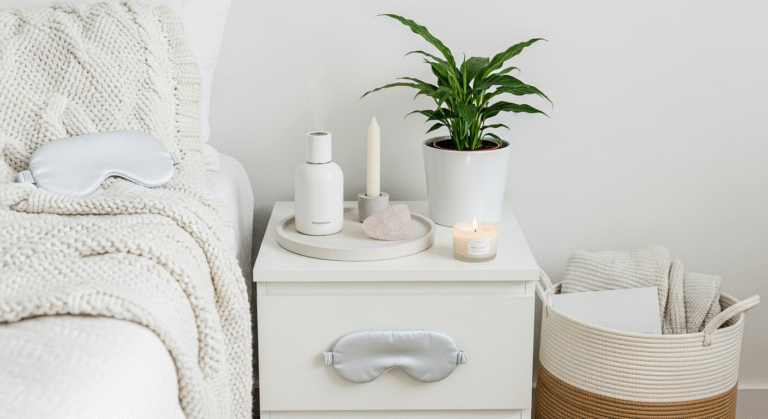
- Invest in Comforting Textiles: Elevate your comfort quotient with luxurious throws, plump cushions, soft rugs, and quality bedding. These sensory elements contribute immensely to a cozy, inviting atmosphere. Choose natural fibers like wool, cotton, and linen for breathability and a touch of organic elegance.
- Aromatherapy and Soundscapes: Engage all your senses. Diffusers with essential oils can create specific moods – calming lavender for evenings, uplifting citrus for mornings. Curate playlists of soothing music, nature sounds, or gentle instrumental tracks to complement your home’s ambiance.
By focusing on these elements, you’re not just redecorating; you’re crafting an environment that actively supports your well-being, making your home a true sanctuary no matter what 2026 brings.
2. Fortifying Your Home’s Defenses: Protection & Peace of Mind

Our homes are our safe spaces, and ensuring their security and resilience is a foundational update, especially when considering extended periods of time spent within them. This isn’t just about protecting your valuables; it’s about safeguarding your peace of mind and ensuring the structural integrity of your beloved dwelling. Embracing proactive measures now will spare you potential headaches and heartaches down the line, directly aligning with excellent tips for protecting your home and your belongings.
Enhancing Security Systems and Structural Integrity
Start with the basics: your doors and windows. Are they secure? Old locks can be surprisingly easy to compromise. Upgrading to smart locks offers convenience and enhanced security, allowing you to monitor access even when you’re out for a quick errand. Beyond the immediate entry points, think about the larger picture of your home’s defense system. Consider what external factors might threaten your comfort and safety, from unexpected weather events to technological disruptions.
- Smart Home Security Systems: Invest in a comprehensive smart security system that includes motion sensors, door/window sensors, and surveillance cameras. Modern systems are user-friendly, can be monitored remotely via your smartphone, and often integrate with other smart home devices. This provides an invaluable layer of protection, giving you real-time alerts and recordings.
- Reinforce Entry Points: Beyond new locks, consider reinforcing door frames with longer screws and installing strike plates. For sliding glass doors, a security bar offers an additional deterrent. Ensure all windows have sturdy locks and consider security film for added resistance against breakage.
- Emergency Preparedness Kits: A well-stocked emergency kit is a non-negotiable for any household. This should include non-perishable food, water, first-aid supplies, flashlights, batteries, a hand-crank radio, and any necessary medications. Review and replenish this kit regularly, especially as we head into 2026, ensuring it’s easily accessible but out of the way for daily life.
- Fire and Carbon Monoxide Safety: Check and update your smoke and carbon monoxide detectors. Test them monthly and replace batteries annually. Consider interconnected smart detectors that can alert you via your phone, even if you’re not home. Have a fire extinguisher readily available in the kitchen and other high-risk areas, and ensure everyone in the household knows how to use it and has an escape plan.
- Weatherproofing and Maintenance Checks: Inspect your roof for loose shingles, clear your gutters, and check for any cracks in your foundation or exterior walls. Seal drafts around windows and doors to improve energy efficiency and protect against moisture intrusion. A well-maintained exterior is your home’s first line of defense against the elements, preventing costly damage and ensuring your interior remains a cozy haven.
By taking these steps, you’re not just addressing potential vulnerabilities; you’re actively cultivating a deeper sense of security and preparedness, allowing you to relax and enjoy your home with true peace of mind, knowing you’ve done your utmost to protect your cherished sanctuary.
3. Cultivating an Outdoor Oasis: Your Personal Retreat & Entertaining Hub
Designing for Year-Round Enjoyment and Connection with Nature
Imagine a space where you can sip your morning coffee amidst blooming flowers, enjoy al fresco dinners under string lights, or simply breathe deeply surrounded by nature’s beauty. This vision is entirely achievable with thoughtful planning. Start by assessing your current outdoor area: what are its strengths and weaknesses? How can you best utilize the available light, space, and existing features? Even small balconies or patios can be transformed into vibrant retreats with the right elements.
- Create Covered & Heated Seating Areas: Extend your outdoor living season by adding a pergola, awning, or even a robust patio umbrella that offers protection from sun and light rain. Pair this with an outdoor heater, a fire pit, or even a chic outdoor fireplace. These elements allow you to enjoy your outdoor space comfortably well into cooler evenings, creating a magnetic gathering spot for family and friends.
- Invest in Durable & Comfortable Outdoor Furniture: Treat your outdoor furniture with the same care you would your indoor pieces. Choose weather-resistant materials like teak, aluminum, or all-weather wicker. Opt for deep seating with plush, quick-drying cushions that invite long conversations and leisurely afternoons. Don’t forget an outdoor rug to define the space and add a touch of warmth and style.
- Thoughtful Lighting Design: Just like indoors, outdoor lighting sets the mood. Incorporate string lights for a festive ambiance, pathway lights for safety and charm, and accent lighting to highlight architectural features or beautiful plantings. Solar-powered options are eco-friendly and easy to install, while smart outdoor lighting can be controlled remotely, enhancing security and convenience.
- Embrace Edible & Ornamental Gardening: Whether you have a sprawling yard or just a few pots, gardening offers immense therapeutic benefits. Consider raised garden beds for growing your own herbs and vegetables, connecting you to your food source. For ornamental appeal, choose plants that thrive in your climate and offer year-round interest. Incorporate fragrant flowers to delight the senses and attract pollinators. This is where luxury garden design tips for new homeowners truly shine, encouraging you to think about focal points, plant layering, and even water features for a serene touch.
- Privacy & Boundary Solutions: If your outdoor space feels exposed, consider solutions for privacy. Tall hedges, decorative screens, trellises with climbing plants, or even strategically placed large potted plants can create intimate zones, allowing you to relax without feeling overlooked.
By developing your outdoor space into a versatile and inviting haven, you’re not just adding aesthetic value; you’re creating an invaluable extension of your home, a place to breathe, recharge, and connect with nature, making any period of home-centered living feel expansive and joyful.
4. Streamlining Your Digital & Physical Life: Organization for Mental Clarity

In a world that often feels overwhelmingly fast-paced, carving out pockets of calm and efficiency within our homes is more important than ever. This update focuses on decluttering not just physical items, but also the digital sprawl that can quietly contribute to stress. By streamlining both aspects of your life before 2026, you’ll create a home environment that supports mental clarity, reduces friction in daily routines, and ensures you’re prepared for anything, from remote work challenges to simply enjoying more uninterrupted peace.
Decluttering, Digitizing, and Optimizing Your Home’s Flow
Clutter, whether tangible or digital, can be a silent energy drain. It impacts our ability to focus, relax, and truly feel at home. This update is about intentional organization, ensuring everything has a place and that your digital world is as tidy as your physical one. Think about how a smooth, organized system can alleviate stress, especially if you anticipate more home-bound time. This is a crucial element in giving your home a true facelift – not just aesthetically, but functionally and spiritually.
- Tackle the Digital Deluge: Our devices are treasure troves of forgotten files, duplicate photos, and overwhelming email inboxes. Dedicate time to organize your digital life:
- Photo Management: Consolidate photos from various devices, delete duplicates, and back up everything to a cloud service or external hard drive. Create a system for future photos.
- Email Inbox Zero: Unsubscribe from unnecessary newsletters, archive old emails, and set up folders and rules to manage incoming mail efficiently.
- Cloud & File Organization: Organize your digital documents into intuitive folders, delete old files, and ensure essential documents are backed up and easily accessible.
This proactive step will contribute to protecting your home and your belongings by safeguarding your digital assets.
- Master the Command Center: Create a dedicated “command center” or drop zone near your main entry. This is where keys, mail, chargers, and bags live. Equip it with hooks, trays, and perhaps a small bulletin board for important notes. This prevents clutter from spreading to other areas of your home and makes leaving and entering a breeze.
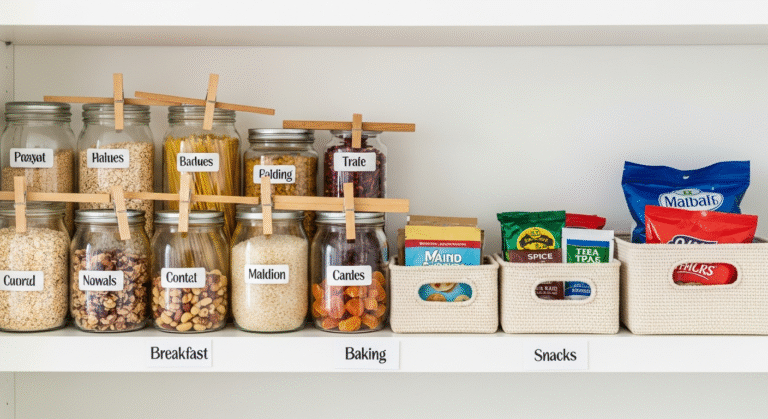
- Pantry & Storage Optimization: An organized pantry is a joy to behold and incredibly practical for extended periods at home. Decant staples into airtight containers, label everything clearly, and group similar items. Apply this same principle to other storage areas like linen closets, utility cupboards, and even your garage. Knowing exactly what you have and where it is saves time and reduces waste.
- Routine Maintenance Checklist: Create a simple, recurring checklist for home maintenance tasks – big and small. This could include changing HVAC filters, cleaning appliance coils, checking smoke detector batteries, or even cleaning windows. Having a system prevents these tasks from piling up and ensures your home runs smoothly, which is a key part of tips for protecting your home and your belongings by preventing costly repairs.
- Charging & Tech Hub: Establish a central charging station for all your devices. Use multi-port chargers and cable organizers to keep cords tidy and out of sight. Ensure all critical devices (laptops, phones, tablets) are updated and functioning optimally. Consider backup power solutions for essential electronics in case of outages.
By investing time in streamlining both your digital and physical environments, you’re not just decluttering; you’re creating a sense of calm and control. This allows you to fully enjoy your home, knowing that its systems are organized and efficient, freeing up mental space for relaxation, creativity, and connection.
5. Preparing for Practicality & Peace of Mind: Future-Proofing Your Haven
The final, yet immensely crucial, update focuses on the practicalities that underpin a truly resilient and peaceful home. It’s about anticipating needs, conducting preventative maintenance, and ensuring your household is prepared for any scenario, from minor inconveniences to significant disruptions. This proactive approach ensures that when you’re spending more time at home in 2026, your focus can remain on comfort and connection, rather than unexpected household crises. This encompasses vital tips for protecting your home and your belongings through foresight and planning.
Essential Maintenance, Stockpiling & Family Preparedness
Think of this as your home’s comprehensive wellness check-up. Just as we prepare ourselves for the future, our homes also benefit from a strategic approach to longevity and functionality. This update is less about aesthetics and more about the fundamental operations that keep your home running smoothly, ensuring it remains a reliable haven under any circumstances. It’s about securing your peace of mind through diligent preparation.
- Appliance & HVAC Servicing: Schedule professional maintenance for your major appliances – refrigerator, washing machine, dryer, dishwasher, and especially your HVAC system. Clean coils, replace filters, and address any minor issues before they become major breakdowns. An efficiently running HVAC system is crucial for comfort and air quality during extended home stays, and well-maintained appliances prevent unexpected disruptions.
- Plumbing & Electrical Check: A quick inspection of visible pipes for leaks and an assessment of your electrical outlets (especially if older) can prevent future headaches. Ensure you know where your main water shut-off valve and electrical breaker panel are located, and how to operate them. Having a reliable plumber and electrician on speed dial is always a good idea.
- Smart Pantry Stockpile: Beyond the emergency kit, consider a rotating stockpile of non-perishable pantry staples, cleaning supplies, and personal care items. This isn’t about hoarding, but about smart preparedness. Think about items you use regularly and buy in bulk when on sale. This reduces frequent trips to the store and ensures you have essentials on hand, which is especially comforting during periods of limited access.
- Review & Update Insurance Policies: Take the time to review your home and contents insurance policies. Does it adequately cover your current belongings and potential risks, such as natural disasters relevant to your area? Are your valuations up to date? Understanding your coverage is a critical aspect of tips for protecting your home and your belongings and provides immense peace of mind.
- Family Communication & Entertainment Plan: If the prospect of extended home time becomes a reality, having a family communication plan (especially if digital services are disrupted) and a robust entertainment strategy is invaluable. Stock up on board games, puzzles, art supplies, and books. Create a list of family-friendly activities, and discuss how you’ll communicate if cell service or internet is down. This fosters connection and creativity, turning potential challenges into opportunities for shared joy.
By addressing these practical updates, you’re not just preparing for a hypothetical “second shutdown”; you’re building a more robust, reliable, and enjoyable home environment for any season of life. These steps empower you to navigate future uncertainties with confidence, knowing your home is a well-oiled machine, ready to support your family’s comfort and well-being.
Frequently Asked Questions
Recommended Resources
Related reading: Celebrity Wedding Jewelry Looks (Celebrity Exchange).
Related reading: How To Do A Facial At Home Step By Step (Veralyn Media).